The Art of Timing: Embracing the Small and the Difficult
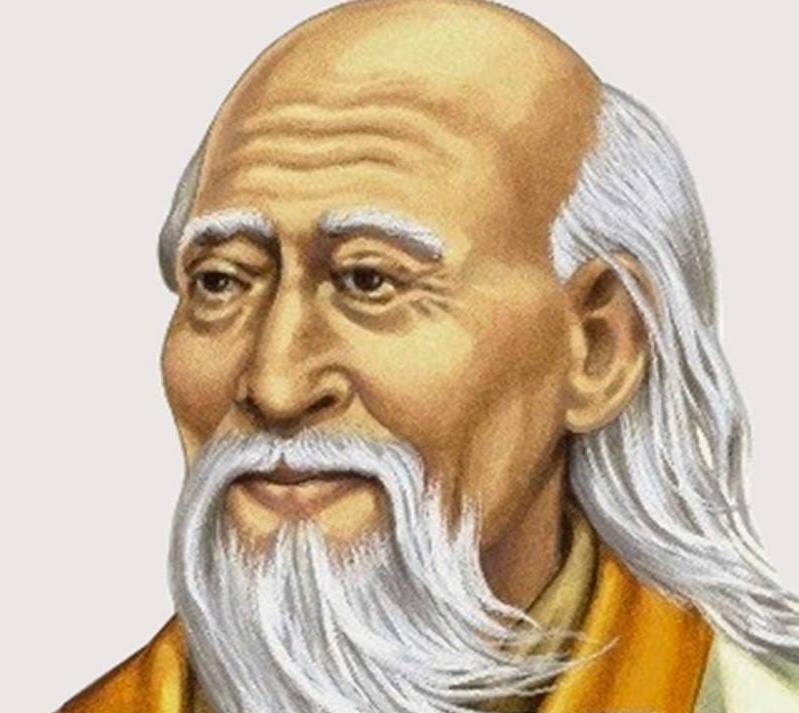
Lao Tzu's wisdom resonates profoundly in his assertion: "Do the difficult things while they are easy and do the great things while they are small." This statement invites us to consider the nature of action and the importance of timing in our endeavors. It suggests that the path to achieving significant goals lies in recognizing the right moment to act, emphasizing that what may seem trivial today can evolve into something monumental tomorrow. The stakes are high; understanding this principle can transform our approach to challenges, allowing us to navigate life with greater ease and effectiveness.
In a world that often glorifies the grandiose and the immediate, Lao Tzu's teaching serves as a gentle reminder of the power of simplicity and foresight. By encouraging us to tackle difficult tasks while they remain manageable, he highlights the importance of proactive engagement. This wisdom extends beyond mere productivity; it speaks to a deeper understanding of our own limitations and the natural rhythms of life. By embracing the small beginnings of our aspirations, we cultivate a mindset that honors gradual growth and the beauty of patience.
The image / the metaphor
The imagery in Lao Tzu's quote is rich and evocative, inviting us to visualize the process of growth and the unfolding of potential. The verbs "do" and "are" create a sense of immediacy and presence, urging us to take action while the conditions are favorable. The phrase "difficult things while they are easy" conjures an image of a seedling, which, if nurtured early, can grow into a mighty tree. Conversely, "great things while they are small" evokes the notion of a small flame that, if tended to, can ignite a roaring fire. This metaphor illustrates the delicate balance between effort and timing, suggesting that our greatest achievements often begin as humble intentions.
Diving deeper into this metaphor, we can see how it reflects the natural order of the universe, a core tenet of Taoism. Just as a river flows effortlessly around obstacles, so too must we learn to navigate our challenges with grace and foresight. The wisdom of Lao Tzu teaches us that the essence of effective action lies not in forceful striving but in understanding the subtle dynamics of our circumstances. By recognizing the potential within the small and the manageable, we can cultivate a sense of harmony with the world around us.
In the speaker's tradition
Situated within the rich tapestry of Taoism, Lao Tzu's teaching resonates with concepts such as wu wei, or effortless action, and the principle of yin and yang, which emphasizes balance and harmony. Wu wei encourages us to align our actions with the natural flow of life, suggesting that the most effective way to achieve our goals is often through a gentle, non-resistant approach. This idea parallels the notion of dharma in other spiritual traditions, where one is encouraged to act in accordance with their true nature and the greater cosmic order.
In the Tao Te Ching, Lao Tzu often reflects on the importance of humility and simplicity, urging us to embrace the small and the seemingly insignificant. For instance, he writes, "A journey of a thousand miles begins with a single step," reinforcing the idea that monumental achievements are often the result of small, deliberate actions taken over time. This perspective invites us to cultivate patience and mindfulness, recognizing that every great endeavor has its roots in the small, often overlooked moments of our lives.
Living the teaching
Consider a modern scenario where this teaching can be applied: the pursuit of a personal project, such as writing a book. Many aspiring authors feel overwhelmed by the enormity of the task, often waiting for the perfect moment to begin. However, by embracing Lao Tzu's wisdom, one might start by committing to write just a few sentences each day. This small, manageable action transforms the daunting task into a series of achievable steps, allowing the writer to gradually build momentum and confidence, ultimately leading to the completion of their work.
In relationships, this teaching can manifest in the way we address conflicts or nurture connections. Instead of waiting for issues to escalate into major disputes, we can choose to engage in open, honest conversations when problems are still small. By addressing concerns early on, we foster a deeper understanding and connection with our loved ones, preventing misunderstandings from growing into significant barriers. This practice not only strengthens our relationships but also embodies the essence of Lao Tzu's teaching: that great things can flourish from the smallest seeds of intention.
A reflection
As we contemplate Lao Tzu's profound wisdom, we might ask ourselves: "What small actions can I take today that will lead to greater outcomes tomorrow?" This question invites us to reflect on our current endeavors and consider how we might approach them with a sense of mindfulness and intention. By recognizing the potential within the small and the manageable, we can cultivate a deeper understanding of our own journey and the natural rhythms of life, ultimately leading us toward a more harmonious existence.




Join the BrightStar Community
Stay connected with daily inspiration, event announcements, and community wisdom