The Strength of Yielding: Water's Wisdom
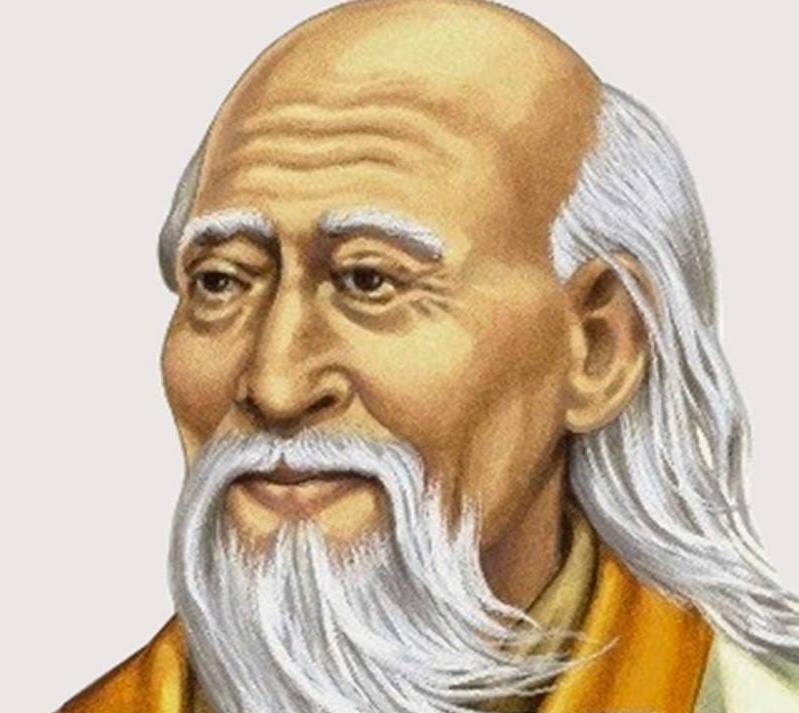
Lao Tzu's profound observation that "nothing in the world is softer and weaker than water; yet for attacking the hard and strong, nothing surpasses it" invites us to reconsider our understanding of strength and resilience. This quote encapsulates a paradox that challenges conventional notions of power, suggesting that true strength often lies in yielding rather than in force. In a world that frequently equates toughness with success, Lao Tzu's wisdom serves as a gentle reminder of the transformative potential inherent in softness and adaptability.
As we delve deeper into this teaching, we find that water's ability to penetrate the hardest of substances—be it stone or steel—illustrates a fundamental principle of existence: that flexibility and gentleness can lead to profound change. This notion resonates not only in the natural world but also in our personal lives, where the ability to yield can foster deeper connections and facilitate healing. By embracing the qualities of water, we are invited to explore how we might navigate our challenges with grace and fluidity, rather than rigidity and resistance.
The image / the metaphor
The imagery of water as both soft and powerful evokes a visceral understanding of its dual nature. Water flows effortlessly, adapting to the contours of its environment, yet it possesses the remarkable ability to carve through mountains over time. The verbs chosen—"soft," "weaker," "attacking," and "surpassing"—create a dynamic tension that highlights the contrast between perceived weakness and actual strength. This duality invites us to reflect on our own lives, where we might be tempted to adopt a hard exterior in the face of adversity, rather than embracing the fluidity that can lead to lasting change.
Diving deeper into the metaphor, we recognize that water's strength lies not in its force but in its capacity to yield. It teaches us that the most effective way to confront challenges is not through aggression but through adaptability. This principle can be seen in nature, where rivers find their way around obstacles, illustrating that persistence combined with flexibility can lead to success. In this light, water becomes a symbol of resilience, reminding us that sometimes the gentlest approach can yield the most profound results.
In the speaker's tradition
Within the context of Taoism, Lao Tzu's insights resonate with the concept of wu wei, or "non-action." This principle emphasizes the importance of aligning oneself with the natural flow of life rather than forcing one's will upon it. Just as water flows effortlessly, so too does the Tao encourage us to move with the currents of existence, embracing the inherent wisdom of yielding. This approach fosters a sense of harmony and balance, allowing us to navigate life's complexities with grace.
Moreover, the idea of yielding can be linked to the Buddhist concept of sunyata, or emptiness, which teaches that rigid attachments lead to suffering. By recognizing the fluid nature of reality, we can cultivate a sense of openness and receptivity, much like water that adapts to its surroundings. In this way, Lao Tzu's teachings invite us to embrace a path of humility and surrender, where true strength emerges from our ability to let go and flow with the currents of life.
Living the teaching
Consider a modern scenario where this teaching might apply: a workplace conflict where differing opinions clash. In such a situation, the instinct may be to assert one's position forcefully, striving to dominate the conversation. However, by embodying the qualities of water, one might choose to listen actively, allowing space for others to express their views. This yielding does not signify weakness; rather, it opens the door for collaboration and understanding, ultimately leading to a more harmonious resolution.
In personal relationships, the principle of yielding can also play a transformative role. Imagine a moment of tension with a loved one, where both parties are entrenched in their perspectives. Instead of holding steadfastly to one's position, embracing the fluidity of water can mean approaching the conversation with empathy and openness. By softening our stance and seeking to understand the other person's feelings, we create an opportunity for connection and healing, demonstrating that true strength often lies in our willingness to yield.
A reflection
As we contemplate Lao Tzu's wisdom, we are invited to reflect on our own lives: In what areas do we cling to rigidity, and how might we embrace the qualities of water to foster growth and transformation? This question encourages us to explore the balance between strength and softness, recognizing that true resilience often emerges from our ability to adapt and yield. By engaging with this inquiry, we can cultivate a deeper understanding of ourselves and our relationships, ultimately leading to a more harmonious existence.




Join the BrightStar Community
Stay connected with daily inspiration, event announcements, and community wisdom