The Transformative Power of Kindness
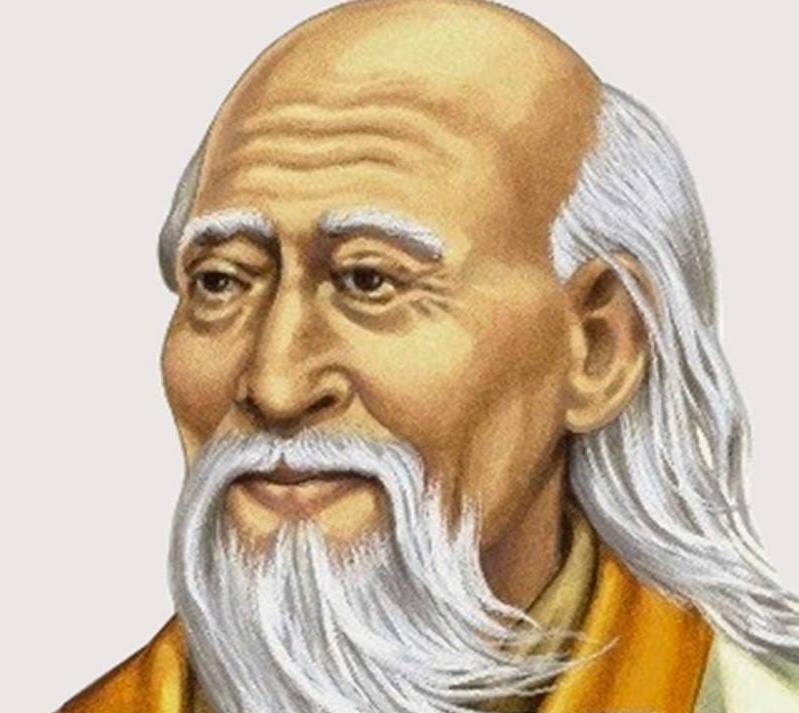
“Recompense injury with kindness.” This profound statement from Lao Tzu encapsulates a radical approach to conflict and interpersonal relationships. At its core, it invites us to respond to harm not with retaliation, but with compassion and understanding. In a world often driven by the impulse for revenge, this teaching challenges us to reconsider our instinctual reactions and to embrace a path that fosters healing rather than division. The stakes are high; our responses shape not only our relationships but also the collective consciousness of our communities.
Delving deeper, this quote serves as a reminder of the transformative power of kindness. It suggests that our responses to injury can either perpetuate a cycle of suffering or break it. By choosing kindness, we not only heal ourselves but also extend a hand to those who have wronged us, inviting them into a space of reflection and growth. This teaching encourages us to cultivate a mindset that prioritizes compassion over conflict, urging us to see beyond the immediate pain and to recognize the shared humanity that binds us all.
The image / the metaphor
To unpack the imagery of Lao Tzu's quote, we must first consider the verbs at play. "Recompense" suggests a response, a deliberate action taken in the face of injury. The word "injury" evokes a sense of harm, a wound that can be both physical and emotional. The juxtaposition of these terms creates a vivid picture of a choice: to respond to hurt with an act of kindness. This choice is not merely passive; it requires strength and intention, as it goes against our instinctual reactions to protect ourselves and retaliate.
Going deeper into the metaphor, we can see that kindness acts as a balm for the wounds inflicted by injury. It is an active force that has the potential to transform the dynamics of a relationship. When we choose to respond with kindness, we create a ripple effect that can alter the course of interactions, fostering an environment where healing can take place. This metaphor extends beyond individual relationships; it speaks to the broader societal implications of our choices, suggesting that kindness can be a powerful antidote to the pervasive cycles of violence and retribution in our world.
In the speaker's tradition
Within the context of Taoism, Lao Tzu's teaching resonates deeply with the principles of harmony and balance. The concept of "wu wei," or effortless action, aligns with the idea of responding to injury with kindness. Rather than forcing a reaction or engaging in conflict, wu wei encourages us to act in accordance with the natural flow of life, which often means choosing compassion over aggression. This approach reflects a profound understanding of the interconnectedness of all beings, emphasizing that our actions have far-reaching consequences.
Moreover, the notion of "te," or virtue, in Taoism underscores the importance of embodying kindness as a way of being in the world. In the "Tao Te Ching," Lao Tzu often speaks of the value of humility and gentleness, suggesting that true strength lies in our ability to respond with grace. This teaching can be compared to the Buddhist concept of "metta," or loving-kindness, which encourages practitioners to cultivate goodwill towards all beings, including those who may have caused harm. Both traditions highlight the transformative potential of compassion and the importance of nurturing a heart that seeks to heal rather than hurt.
Living the teaching
Consider a modern scenario where this teaching might apply: a colleague at work undermines your efforts in a meeting, leaving you feeling hurt and frustrated. The instinctual response may be to retaliate, to speak ill of them to others or to confront them with anger. However, if you choose to recompense this injury with kindness, you might instead approach them privately, expressing your feelings and seeking to understand their perspective. This act of kindness not only diffuses tension but also opens the door to a more constructive dialogue, fostering a healthier work environment.
In a more personal context, think about a relationship where misunderstandings have led to conflict. Perhaps a friend has said something that wounded you deeply. Instead of harboring resentment, you might choose to reach out, sharing your feelings with them in a gentle manner. By doing so, you create an opportunity for healing and reconciliation, allowing both of you to grow from the experience. This practice of responding to injury with kindness can become a daily commitment, transforming how we engage with others and ourselves.
A reflection
As we reflect on Lao Tzu's teaching, we might ask ourselves: How can I cultivate a heart that responds to injury with kindness? This question invites us to explore our own reactions to harm and to consider the ways in which we can embody compassion in our daily lives. By engaging with this inquiry, we open ourselves to the possibility of transformation, both personally and collectively, as we strive to create a more compassionate world.




Join the BrightStar Community
Stay connected with daily inspiration, event announcements, and community wisdom