The Quiet Power of Yielding: Lessons from Water
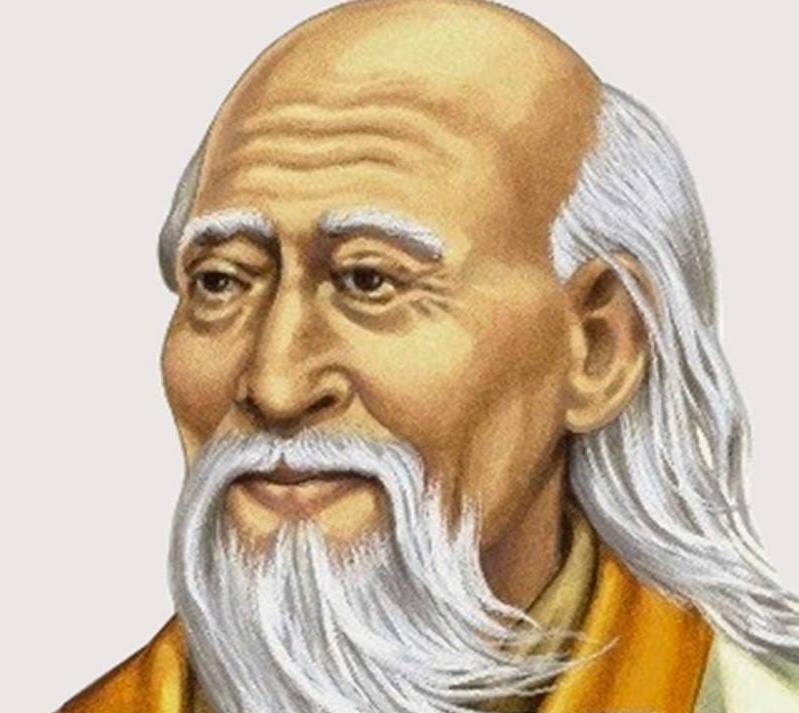
In the profound words of Lao Tzu, "The highest goodness is like water. Water benefits the ten thousand things and does not contend." This statement encapsulates a vision of virtue that is both humble and powerful, suggesting that true goodness flows effortlessly, nourishing all without striving for recognition or reward. In a world often driven by competition and ambition, this teaching invites us to reconsider our understanding of success and influence, urging us to embrace a more yielding and service-oriented approach to life.
To grasp the depth of Lao Tzu's wisdom, we must reflect on the nature of water itself. Water is essential for life; it nourishes, cleanses, and sustains all forms of existence. Yet, it does so without force or contention. This metaphor challenges us to embody the qualities of water—flexibility, humility, and a willingness to serve others. By aligning ourselves with this principle, we can cultivate a life that is not only fulfilling for ourselves but also beneficial to the broader community, fostering harmony rather than discord.
The image / the metaphor
Lao Tzu's metaphor of water is rich with imagery and meaning. Water is often seen as a symbol of purity and clarity, flowing effortlessly around obstacles and adapting to the shape of its container. The verbs chosen—"benefits" and "does not contend"—evoke a sense of gentle strength and resilience. Water does not seek to dominate; instead, it nurtures and supports all that it touches, embodying a quiet power that is often overlooked in our fast-paced, achievement-oriented society.
Diving deeper into this metaphor, we can appreciate how water's yielding nature allows it to carve mountains and shape landscapes over time. This process is not one of aggression but of patience and persistence. In this way, Lao Tzu invites us to consider how we might approach our own lives and relationships. Rather than forcing our will upon others or striving for dominance, we can learn to adapt, to listen, and to respond with compassion, allowing our actions to flow naturally from a place of inner peace and understanding.
In the speaker's tradition
Within the context of Taoism, Lao Tzu's teaching resonates with the concept of wu wei, or "non-action." This principle does not advocate for passivity but rather encourages a way of being that aligns with the natural flow of the universe. Just as water yields to the contours of the earth, we too can learn to navigate life with grace and ease, trusting in the unfolding of events rather than forcing outcomes. This approach fosters a sense of harmony with the world around us, allowing us to act in accordance with our true nature.
Moreover, the idea of yielding and serving others can be connected to the Buddhist concept of sunyata, or emptiness. In recognizing the interconnectedness of all beings, we can cultivate a sense of humility and selflessness that mirrors the qualities of water. The Tao Te Ching itself serves as a guide to this way of living, encouraging us to embrace simplicity and authenticity as we navigate the complexities of existence. By embodying these teachings, we can cultivate a life that is both meaningful and impactful.
Living the teaching
Consider a modern scenario where this teaching might resonate: a workplace filled with competition and ambition. In such an environment, individuals often feel pressured to assert themselves, striving for recognition and success at the expense of collaboration. However, by embodying the qualities of water, one might choose to approach their work with a spirit of service, focusing on how they can support their colleagues rather than compete with them. This shift in perspective can foster a more harmonious workplace, where creativity and cooperation flourish, ultimately benefiting everyone involved.
Another application of this teaching can be found in personal relationships. Imagine a moment of conflict with a loved one, where both parties are entrenched in their positions. Instead of insisting on being right or forcing a resolution, one might choose to yield, listening deeply to the other’s perspective and responding with empathy. This act of yielding does not signify weakness; rather, it demonstrates strength and maturity, allowing for a deeper connection and understanding to emerge. In daily practice, we can cultivate this approach by consciously choosing to prioritize harmony over ego, fostering relationships that are rooted in love and mutual respect.
A reflection
As we contemplate Lao Tzu's profound insight, we are invited to ask ourselves: In what areas of my life can I embody the qualities of water? How might I yield and serve rather than contend and strive? This question encourages us to reflect on our relationships, our work, and our interactions with the world, guiding us toward a more compassionate and harmonious existence. By embracing the wisdom of water, we can cultivate a life that not only nourishes ourselves but also enriches the lives of those around us.




Join the BrightStar Community
Stay connected with daily inspiration, event announcements, and community wisdom