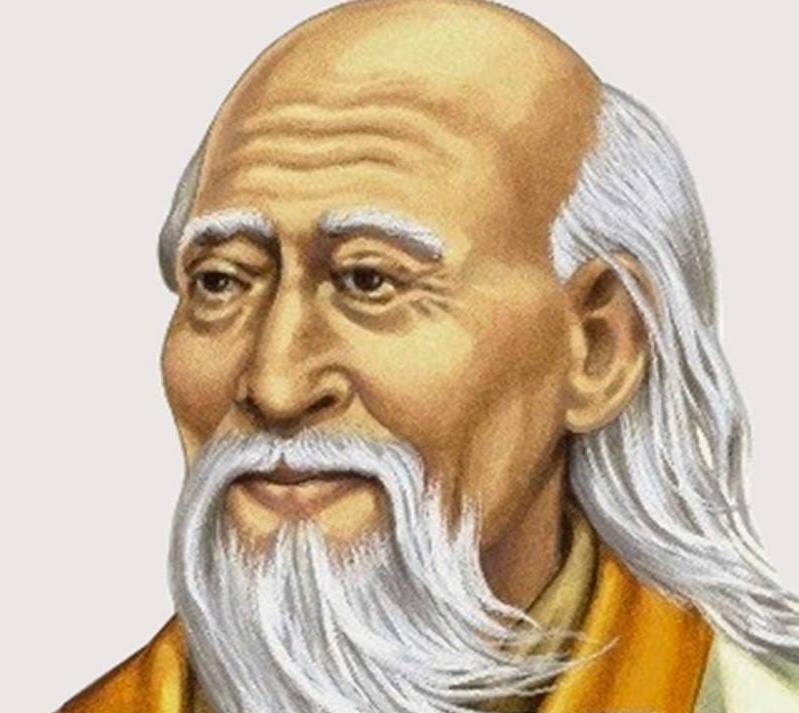
The First Step: Embracing the Journey Within
In the profound simplicity of Lao Tzu's words, "The journey of a thousand miles begins with a single step," we are invited to reflect on the nature of beginnings and the courage it takes to embark on any significant endeavor. This quote encapsulates the essence of transformation, emphasizing that every monumental achievement is rooted in the act of starting, however small that initial action may seem. In a world often preoccupied with the end goal, Lao Tzu reminds us that the path to fulfillment is paved with the willingness to take that first step.
Moreover, this teaching resonates deeply in our contemporary lives, where the fear of failure or the enormity of a task can paralyze us into inaction. The journey, as Lao Tzu suggests, is not merely about the destination but about the unfolding of experiences that shape our understanding and growth. By acknowledging the significance of that first step, we cultivate patience and resilience, essential qualities for navigating the complexities of life. In essence, this quote serves as a gentle nudge, urging us to embrace the present moment and trust in the process of our unfolding journey.
The image / the metaphor
The imagery in Lao Tzu's quote evokes a sense of movement and progression, where the "journey" symbolizes the vast and often daunting experiences we face in life. The phrase "a thousand miles" conjures an expansive landscape filled with challenges and opportunities, while the "single step" represents the initial act of courage required to embark on that journey. The verbs chosen—"begins" and "step"—imply a dynamic process, suggesting that action is not only necessary but also transformative. This imagery invites us to visualize our aspirations as a path that unfolds before us, one that requires our active participation.
In the speaker's tradition
Within the rich tapestry of Taoism, Lao Tzu's teaching resonates with the concept of wu wei, or "effortless action." This principle emphasizes the importance of aligning oneself with the natural flow of life, suggesting that when we take that first step, we are not forcing our will upon the world but rather responding to its inherent rhythms. The journey, then, becomes a dance of cooperation with the universe, where patience and trust play vital roles. This aligns with the notion of dharma in other spiritual traditions, where one's path is revealed through mindful action and acceptance of the present moment.
Furthermore, Lao Tzu's wisdom can be paralleled with the Buddhist concept of sunyata, or emptiness, which teaches that all things are interconnected and that beginnings are often rooted in the dissolution of preconceived notions. In the Tao Te Ching, Lao Tzu encourages us to embrace the unknown and to recognize that each step we take is part of a larger cosmic journey. This perspective invites us to let go of rigid expectations and to approach our endeavors with openness and curiosity, allowing the journey to unfold organically.
Living the teaching
Consider a modern scenario where this teaching can be applied: the decision to pursue a new career path. The prospect of changing jobs can feel overwhelming, filled with uncertainties and fears of failure. Yet, by focusing on the first step—perhaps updating a resume or reaching out to a mentor—we can break down the daunting journey into manageable actions. This initial step not only propels us forward but also ignites a sense of agency and possibility, reminding us that every significant change begins with a single, intentional action.
In a different context, think about relationships, particularly during challenging moments. When conflicts arise, it can be tempting to withdraw or avoid addressing the issues at hand. However, taking that first step—whether it’s initiating a conversation or expressing vulnerability—can pave the way for healing and deeper connection. By embracing the discomfort of that initial step, we open ourselves to the potential for growth and understanding, reinforcing the idea that every journey, no matter how complex, begins with a willingness to engage.
A reflection
As we contemplate Lao Tzu's profound insight, we are invited to consider: What is the first step I can take today toward a journey I have been hesitant to begin? This question encourages us to reflect on our aspirations, fears, and the small actions that can lead to significant transformation. In recognizing the power of that initial step, we cultivate a deeper understanding of ourselves and the paths we choose to walk, ultimately embracing the journey as a sacred and essential part of our existence.




Join the BrightStar Community
Stay connected with daily inspiration, event announcements, and community wisdom