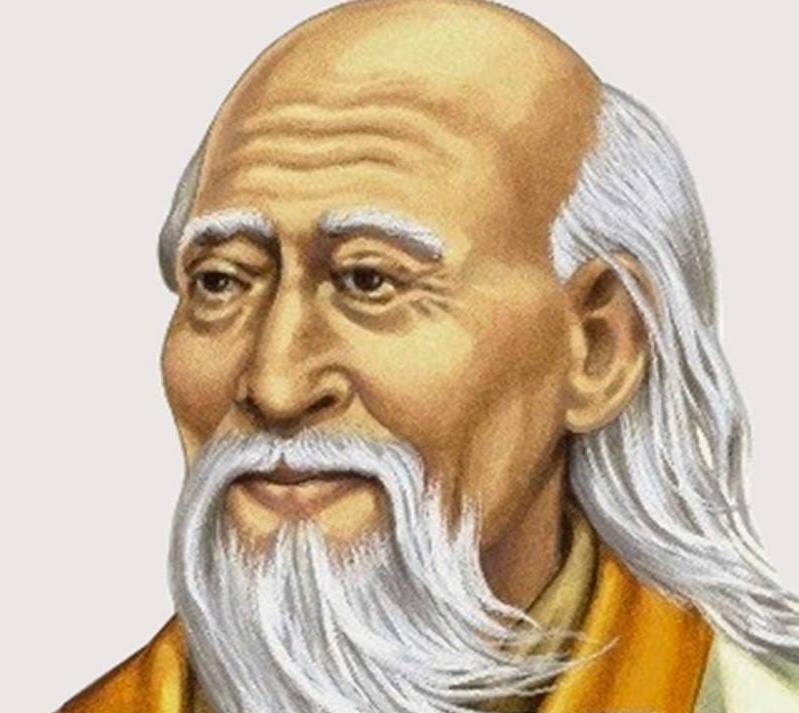
The Wisdom of Unknowing: A Journey Beyond Knowledge
Lao Tzu's assertion, "Those who know are not learned; the learned do not know," invites us to reconsider the nature of wisdom and knowledge. This profound statement challenges the conventional understanding of expertise and education, suggesting that true wisdom lies not in the accumulation of facts but in the humility of recognizing our limitations. In a world that often equates knowledge with power, Lao Tzu's words remind us that the essence of understanding transcends intellectual achievement.
In this age of information overload, where credentials and accolades often overshadow genuine insight, Lao Tzu's wisdom resonates with a timeless truth. The dichotomy he presents between the "knowers" and the "learned" serves as a poignant reminder that wisdom is not merely a product of study but a deeper, experiential understanding of life. This perspective invites us to cultivate a sense of humility and openness, allowing us to engage with the world in a more authentic and meaningful way.
The image / the metaphor
The imagery in Lao Tzu's quote evokes a sense of paradox. The "knowers" are those who possess an intuitive understanding of life, often gained through lived experience rather than formal education. In contrast, the "learned" may be filled with information yet lack the deeper insights that come from a humble heart. The verbs chosen—"know" and "learn"—suggest different modes of engagement with the world: one rooted in direct experience and the other in abstract knowledge.
In the speaker's tradition
Within the context of Taoism, Lao Tzu's quote aligns with the concept of "wu wei," or effortless action. This principle emphasizes the importance of aligning oneself with the natural flow of life rather than forcing understanding through rigid frameworks. In Taoist thought, wisdom is often associated with a state of being rather than a collection of knowledge, echoing the sentiment that true understanding arises from a harmonious relationship with the Tao, or the fundamental nature of the universe.
Furthermore, this idea resonates with the Buddhist concept of "sunyata," or emptiness, which suggests that true wisdom comes from recognizing the impermanence and interconnectedness of all things. Just as Lao Tzu encourages us to embrace the unknown, the teachings of Buddhism remind us that clinging to fixed ideas can obscure our perception of reality. In both traditions, the path to wisdom is one of humility, openness, and a willingness to let go of preconceived notions.
Living the teaching
Consider a modern scenario where this teaching can be applied: a workplace environment filled with experts who are quick to assert their knowledge. In such settings, individuals may find themselves in a constant battle of opinions, where the loudest voices often drown out the quieter, more insightful perspectives. By embodying the wisdom of Lao Tzu, one might approach discussions with a sense of humility, recognizing that true understanding often lies in listening and learning from others rather than merely asserting one's own expertise.
In personal relationships, this teaching can manifest in moments of conflict or misunderstanding. When faced with a disagreement, one might be tempted to cling to their viewpoint, believing it to be the "right" one. However, by embracing the essence of Lao Tzu's wisdom, we can cultivate a space for dialogue that values vulnerability and openness. This approach not only fosters deeper connections but also allows for the possibility of growth and transformation, as we learn from each other's experiences and perspectives.
A reflection
As we contemplate Lao Tzu's profound insight, we are invited to reflect on our own relationship with knowledge and wisdom. How often do we find ourselves clinging to what we think we know, rather than embracing the uncertainty of life? In what ways can we cultivate a sense of humility and openness, allowing ourselves to be guided by the wisdom that arises from experience rather than mere information? Consider this question as a gentle prompt for your own journey of self-discovery and growth.




Join the BrightStar Community
Stay connected with daily inspiration, event announcements, and community wisdom