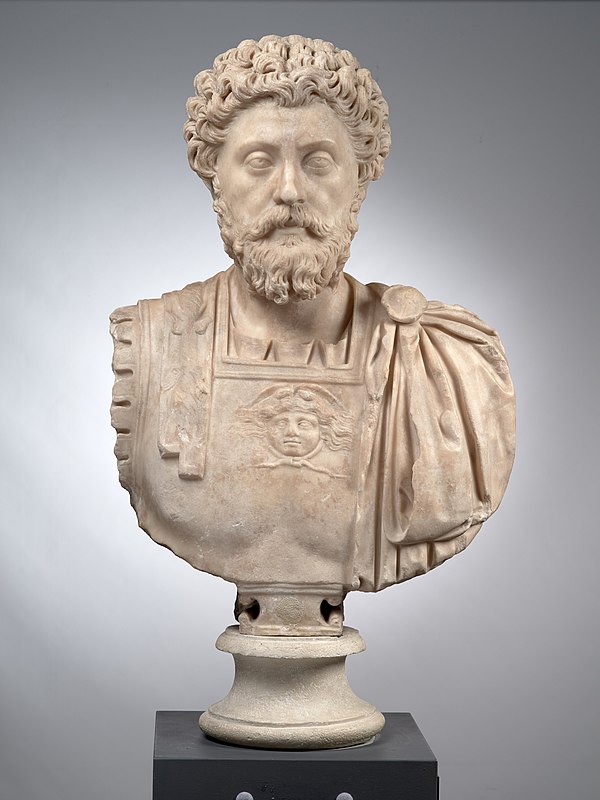
The Weight of Uprightness: A Stoic Reflection
Marcus Aurelius offers a profound insight when he states, "A man should be upright, not be kept upright." This quote speaks to the essence of personal integrity and self-governance, suggesting that true moral character arises from within rather than being imposed from external forces. In a world often swayed by societal pressures and expectations, Aurelius invites us to cultivate an inner strength that allows us to stand firm in our values and principles. This teaching is not merely philosophical; it is a call to action for anyone seeking authenticity in their life.
To be "upright" in Aurelius's context implies a deep commitment to one's own ethical framework, a steadfastness that is self-sustained. It challenges us to reflect on the sources of our moral compass and the extent to which we allow external influences to dictate our behavior. The stakes are high: without this internal fortitude, we risk becoming mere reflections of the world around us, losing our individuality and integrity. In this light, Aurelius's words resonate with timeless relevance, urging us to cultivate a sense of self that is both resilient and true.
The image / the metaphor
The imagery in Aurelius's quote is strikingly vivid. The term "upright" evokes a sense of moral rectitude, suggesting a posture that is both physically and ethically aligned. The contrast between being "upright" and being "kept upright" introduces a dynamic tension: the former implies a natural state of being, while the latter suggests an artificial or forced condition. This distinction invites us to consider how often we rely on external validation or coercion to maintain our integrity, rather than nurturing it from within.
In the speaker's tradition
Marcus Aurelius, as a Stoic philosopher, situates his teachings within a rich tradition that emphasizes virtue, reason, and self-control. Central to Stoicism is the concept of living in accordance with nature, which can be likened to the idea of dharma in Eastern philosophies—an alignment with one's true purpose. Just as dharma calls for an authentic expression of self, Aurelius's notion of being upright encourages us to embody our values without succumbing to external pressures. This alignment fosters a sense of inner peace and resilience, essential for navigating the complexities of life.
In his seminal work, "Meditations," Aurelius reflects on the importance of self-examination and the cultivation of virtue. He writes, "You have power over your mind—not outside events. Realize this, and you will find strength." This sentiment echoes the essence of his quote, emphasizing that true uprightness is a matter of internal mastery rather than external enforcement. By grounding ourselves in our values and principles, we can navigate life's challenges with grace and integrity, embodying the Stoic ideal of a life well-lived.
Living the teaching
Consider a modern scenario where this teaching resonates: a workplace environment where ethical dilemmas frequently arise. Imagine a situation where a colleague pressures you to compromise your values for the sake of expediency. In this moment, Aurelius's wisdom becomes a guiding light, reminding you that true integrity is not about succumbing to external pressures but about standing firm in your convictions. By choosing to act in accordance with your principles, you not only uphold your own integrity but also set a powerful example for others.
Another application of this teaching can be found in personal relationships. Picture a moment of conflict with a loved one, where the temptation to react defensively or to appease the other person looms large. Aurelius's call to be upright encourages you to pause and reflect on your values before responding. By approaching the situation with a commitment to honesty and respect, you create a space for authentic dialogue, fostering deeper connections and mutual understanding. In both scenarios, the essence of being upright manifests as a commitment to self-governance, allowing us to navigate life's complexities with integrity.
A reflection
As we contemplate Marcus Aurelius's profound assertion, we are invited to reflect on our own lives: In what ways do we allow external influences to dictate our sense of integrity? Are we living authentically, or are we merely conforming to the expectations of others? This contemplation serves as a powerful reminder that the path to true uprightness lies within us, waiting to be cultivated and expressed. As you ponder these questions, consider how you might nurture your inner strength and commitment to your values in the days to come.




Join the BrightStar Community
Stay connected with daily inspiration, event announcements, and community wisdom