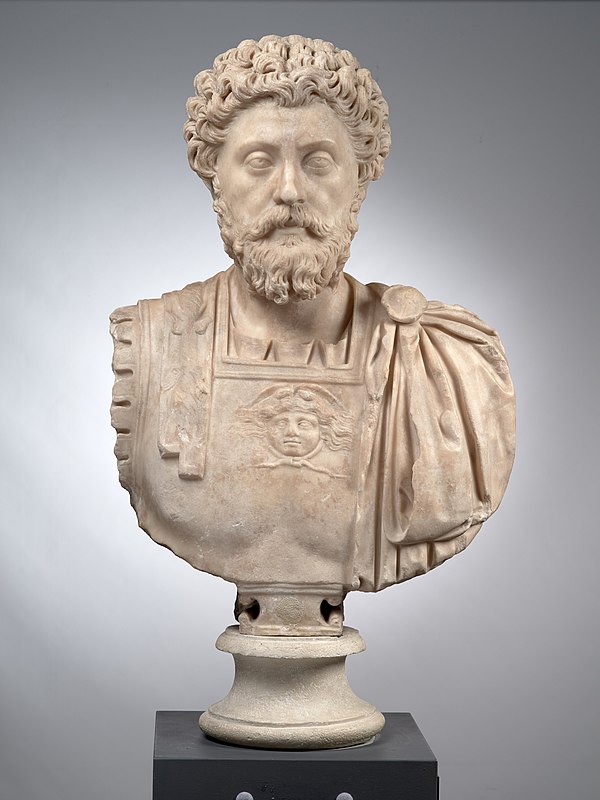
Unity in the Cosmos: The Living Essence of Marcus Aurelius
In his profound reflection, Marcus Aurelius invites us to perceive the universe as a singular, living entity, imbued with one essence and one soul. This perspective urges us to transcend the illusion of separateness, recognizing our interconnectedness with all that exists. Such a vision is not merely philosophical; it carries the weight of ethical responsibility and spiritual awakening, compelling us to act with compassion and mindfulness in our daily lives.
To think of the universe as a unified being is to embrace a holistic worldview that challenges the fragmentation often experienced in modern life. It suggests that our actions resonate beyond our immediate surroundings, influencing the greater tapestry of existence. This understanding fosters a sense of kinship with others and the natural world, reminding us that we are not isolated beings but integral parts of a vast, interconnected whole.
The image / the metaphor
Marcus Aurelius employs vivid imagery in his assertion that the universe is one living being. The phrase "one substance and one soul" evokes a sense of unity and vitality, suggesting that everything within the cosmos is animated by a shared essence. This metaphor invites us to envision the universe not as a collection of disparate parts but as a harmonious organism, where each element contributes to the vitality of the whole.
Diving deeper into this metaphor, we can appreciate the implications of perceiving the universe in such a way. It encourages us to cultivate a sense of belonging and responsibility, as if we are cells within a larger body. This perspective fosters empathy, urging us to recognize that the joys and sufferings of others are intricately woven into our own experiences. By embracing this interconnectedness, we can nurture a more compassionate and mindful approach to life.
In the speaker's tradition
Marcus Aurelius's philosophy is deeply rooted in Stoicism, a tradition that emphasizes the importance of virtue, reason, and the acceptance of fate. The concept of unity resonates with Stoic ideas of cosmopolitanism, where all human beings are seen as part of a larger community governed by reason and natural law. This echoes the notion of dharma in Eastern philosophies, where each individual has a role to play in the cosmic order, contributing to the harmony of existence.
In his "Meditations," Aurelius often reflects on the transient nature of life and the importance of aligning oneself with the greater good. This aligns with the Stoic practice of kenosis, or self-emptying, which encourages individuals to let go of ego-driven desires and embrace a life of service to others. By recognizing our shared essence, we can cultivate a sense of purpose that transcends individual concerns, fostering a deeper connection to the universe and to one another.
Living the teaching
Consider a modern scenario where this teaching can be applied: a bustling city street filled with hurried pedestrians. In this environment, it is easy to feel isolated, lost in the crowd. However, if we embrace Aurelius's perspective, we can shift our awareness to recognize that each person we encounter is part of the same living being, each carrying their own stories, struggles, and joys. This realization can transform our interactions, prompting us to offer a smile, a kind word, or even a moment of patience, thereby fostering a sense of community and connection.
Another application of this teaching can be found in our relationships. In moments of conflict, it is common to view the other person as an adversary, separate from ourselves. However, by remembering that we share a common essence, we can approach disagreements with empathy and understanding. This perspective encourages us to listen deeply, to seek common ground, and to recognize that our well-being is intertwined with the well-being of those around us. In doing so, we cultivate harmony and foster deeper connections.
A reflection
As we contemplate Marcus Aurelius's invitation to view the universe as one living being, we are called to reflect on our own place within this vast tapestry. How can we embody this sense of unity in our daily lives? What small actions can we take to honor our interconnectedness with others and the world around us? By engaging with these questions, we can deepen our understanding of ourselves and our relationship to the cosmos, fostering a more compassionate and mindful existence.




Join the BrightStar Community
Stay connected with daily inspiration, event announcements, and community wisdom