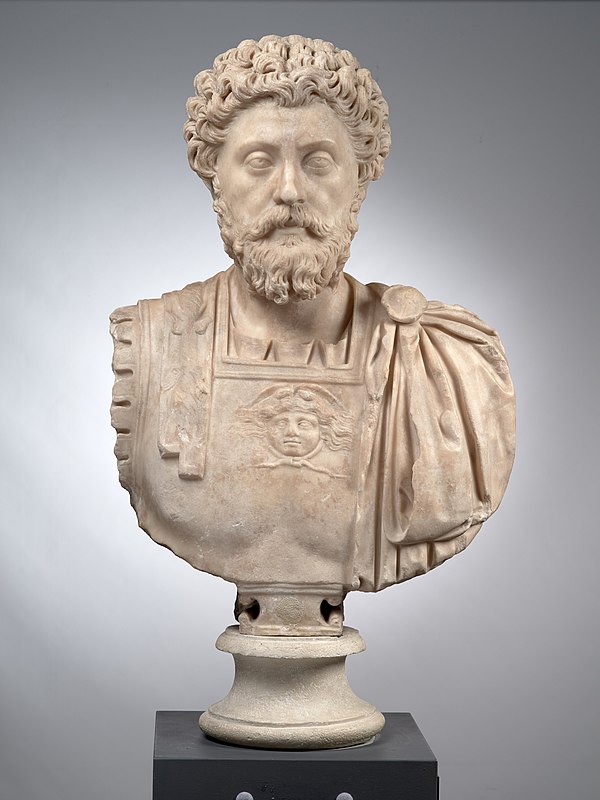
The Weight of Inaction: A Stoic Reflection
Marcus Aurelius reminds us that the absence of action can be as harmful as the act of injustice itself. In his words, "And you can also commit injustice by doing nothing," he highlights the moral imperative that accompanies our existence. This quote serves as a poignant reminder that we are not merely passive observers in the world; rather, we hold a responsibility to engage with it, to act in accordance with our values, and to contribute positively to the lives of others. The stakes are high: in a world rife with suffering and injustice, our silence can perpetuate harm.
To deepen our understanding, we must consider the context in which Aurelius speaks. His reflections in "Meditations" are not just personal musings; they are a call to action grounded in the Stoic philosophy that emphasizes virtue, rationality, and the interconnectedness of humanity. The notion of inaction as a form of injustice compels us to confront our own complacency and challenges us to reflect on the choices we make—or fail to make—in our daily lives. It is an invitation to examine the moral fabric of our existence and to recognize that our decisions, or lack thereof, shape the world around us.
The image / the metaphor
At first glance, Aurelius's quote presents a stark dichotomy between action and inaction. The imagery of "committing injustice" evokes a sense of agency, suggesting that wrongdoing is not solely the result of overt malevolence but can also stem from a failure to act. The verbs chosen—"commit" and "doing nothing"—carry weight, illustrating the active choice inherent in inaction. This juxtaposition creates a felt sense of urgency, as if Aurelius is imploring us to recognize that our moral compass is not solely defined by our actions but also by our omissions.
Diving deeper into the metaphor, we can see that inaction can be likened to a silent acquiescence to the status quo. It embodies a passive acceptance of circumstances that may be unjust or harmful. In this light, the quote serves as a mirror, reflecting our own complicity in societal issues. The metaphor of injustice as a form of inaction invites us to consider the broader implications of our choices, urging us to engage actively with the world rather than retreating into apathy. It challenges us to embody the Stoic ideal of virtue, which requires not only personal integrity but also a commitment to the welfare of others.
In the speaker's tradition
Marcus Aurelius's insights are deeply rooted in Stoicism, a philosophy that emphasizes the importance of virtue and rational action. Central to Stoic thought is the concept of *dharma*, or duty, which aligns closely with Aurelius's assertion that we must act in accordance with our moral responsibilities. This idea resonates with the notion of *kenosis*, or self-emptying, found in other spiritual traditions, where the relinquishing of self-interest allows for a greater commitment to the welfare of others. In this sense, Aurelius's call to action transcends mere personal ethics; it becomes a communal responsibility.
In "Meditations," Aurelius often reflects on the interconnectedness of all beings, echoing the Buddhist concept of *sunyata*, or emptiness, which teaches that our actions have far-reaching consequences. The Stoic practice of *prajnā*, or wisdom, encourages us to discern when to act and when to refrain from action, emphasizing that inaction in the face of injustice is a failure of wisdom. By situating Aurelius's quote within this philosophical framework, we can appreciate the depth of his teaching and its relevance to our own lives.
Living the teaching
Consider a modern scenario where this teaching resonates: a workplace where discrimination or unethical practices occur. Employees may witness these injustices but choose to remain silent, fearing repercussions or believing that their voices will not effect change. In this context, Aurelius's reminder that inaction can be a form of injustice becomes particularly poignant. By choosing to speak up or advocate for change, individuals not only uphold their own values but also contribute to a culture of accountability and integrity.
Another application of this teaching can be found in personal relationships. Imagine a friend who is struggling with mental health issues. The temptation to remain silent, to avoid uncomfortable conversations, may arise. However, Aurelius's wisdom urges us to recognize that our inaction can perpetuate suffering. By reaching out, offering support, or simply being present, we embody the Stoic ideal of compassion and responsibility. In these moments, we are reminded that our choices—whether to act or to remain passive—shape the emotional landscape of those around us.
A reflection
As we contemplate Marcus Aurelius's profound assertion, we are invited to reflect on our own lives: In what areas are we complicit in injustice through our inaction? This question challenges us to examine our choices, our silence, and our responsibilities. It beckons us to engage with the world around us, to act with intention, and to recognize that our moral integrity is not solely defined by what we do, but also by what we choose not to do. How might our lives change if we embraced the courage to act in the face of injustice?




Join the BrightStar Community
Stay connected with daily inspiration, event announcements, and community wisdom