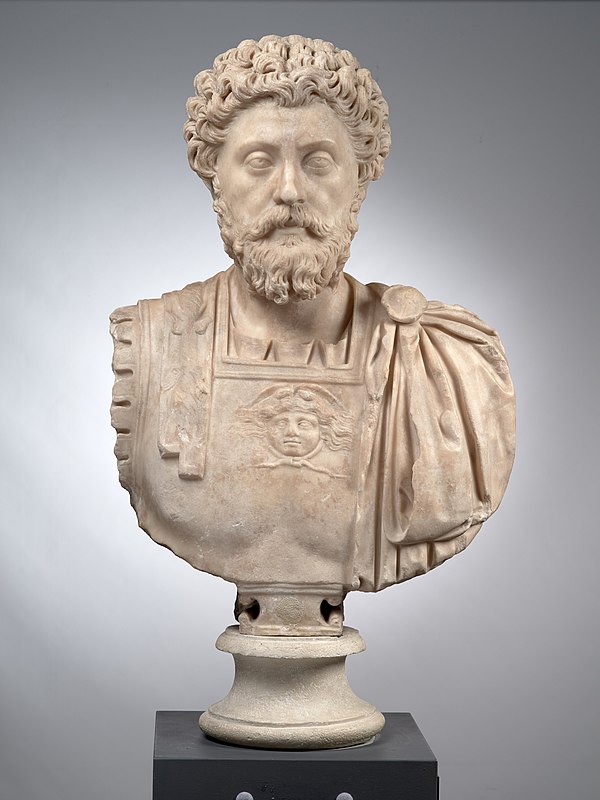
Embracing the Impermanence of Each Moment
Marcus Aurelius invites us to consider the weight of our actions with the profound statement, "Do every act of your life as if it were your last." This call to mindfulness urges us to engage fully with the present, recognizing that each moment is fleeting and precious. In a world often consumed by distractions and future anxieties, this teaching serves as a poignant reminder to live with intention and authenticity, as if each breath could be our last.
By framing our actions in the context of mortality, Aurelius challenges us to confront the reality of death, not as a morbid fixation but as a catalyst for deeper appreciation of life. This perspective encourages us to act with purpose, to cultivate gratitude, and to prioritize what truly matters. In doing so, we can transcend the mundane and infuse our daily lives with a sense of urgency and significance, fostering a more profound connection to ourselves and the world around us.
The image / the metaphor
The imagery embedded in Aurelius's quote evokes a sense of immediacy and clarity. The phrase "every act of your life" encompasses the entirety of our existence, suggesting that each decision, no matter how small, carries weight and consequence. The verb "do" implies action, urging us to engage actively with our lives rather than passively drift through them. This call to action is not merely about the grand gestures but also about the quiet moments that often go unnoticed, inviting us to infuse even the simplest tasks with intention.
Diving deeper into the metaphor, we find that viewing our actions through the lens of mortality can illuminate the transient nature of our experiences. Each moment is a thread in the tapestry of our lives, and when we acknowledge its impermanence, we are encouraged to weave with care and creativity. This perspective fosters a sense of urgency that can propel us toward authenticity, prompting us to ask ourselves what truly matters in the grand scheme of our existence. In this way, Aurelius's teaching becomes a guiding light, illuminating the path toward a more meaningful life.
In the speaker's tradition
Marcus Aurelius stands as a central figure in the Stoic tradition, which emphasizes the importance of virtue, rationality, and acceptance of the natural order of the universe. His teachings resonate with concepts such as *ataraxia*, the state of serene calmness, and *eudaimonia*, the flourishing life achieved through virtuous living. By urging us to act as if each moment were our last, Aurelius aligns with the Stoic belief in the significance of the present, encouraging us to cultivate a life grounded in virtue and mindfulness.
This notion of living fully in the present is echoed in other philosophical traditions as well. For instance, in Buddhism, the concept of *sunyata* or emptiness invites practitioners to recognize the impermanence of all things, fostering a deep appreciation for the present moment. Similarly, the idea of *kenosis* in Christian mysticism, which speaks to the self-emptying of one's will, resonates with Aurelius's call to relinquish distractions and focus on what is essential. These interconnected teachings across traditions highlight a universal truth: the importance of embracing the present as a pathway to deeper understanding and fulfillment.
Living the teaching
Consider a modern scenario where this teaching might resonate: a busy professional caught in the whirlwind of deadlines and meetings. In the midst of this chaos, the reminder to act as if each moment were their last could inspire a shift in perspective. Instead of merely rushing through tasks, they might pause to engage meaningfully with colleagues, express gratitude for their contributions, or take a moment to appreciate the beauty of their surroundings. This shift not only enhances their own experience but also fosters a more connected and compassionate workplace.
In the realm of relationships, Aurelius's teaching can serve as a powerful guide. Imagine a person navigating a difficult conversation with a loved one, perhaps fraught with misunderstandings or unspoken grievances. By approaching the dialogue with the awareness that it could be their last opportunity to connect, they might choose to speak with greater honesty and vulnerability. This intentionality can transform the interaction, allowing for healing and deeper connection, reminding both parties of the preciousness of their shared moments.
A reflection
As we contemplate Marcus Aurelius's profound invitation to live each act as if it were our last, we are called to reflect on our own lives. What would change if we approached our daily actions with this sense of urgency and presence? In what ways might we cultivate a deeper appreciation for the fleeting moments that make up our existence? Allow this question to linger in your heart, guiding you toward a more intentional and meaningful life.




Join the BrightStar Community
Stay connected with daily inspiration, event announcements, and community wisdom