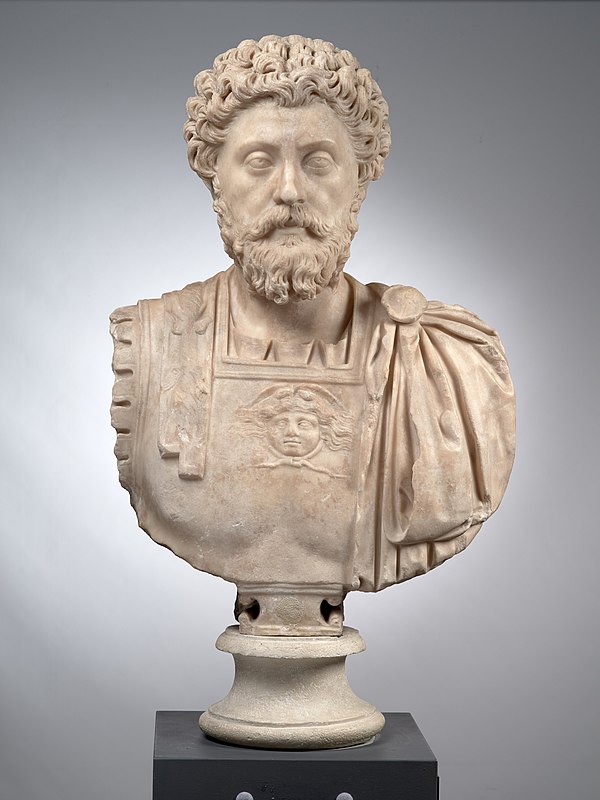
The Wisdom of Acceptance: Embracing Reality as It Is
Marcus Aurelius invites us to shift our perspective from the desire for life to unfold according to our wishes to a more profound acceptance of reality as it is. His quote, "Don't seek for everything to happen as you wish it would, but rather wish that everything happens as it actually will," serves as a poignant reminder of the futility of clinging to our expectations. In a world rife with uncertainty, this teaching emphasizes the importance of cultivating equanimity and resilience, allowing us to navigate life's unpredictability with grace.
In a society that often equates happiness with the fulfillment of personal desires, Aurelius's wisdom challenges us to reconsider our approach to life’s events. Rather than resisting the natural flow of existence, we are encouraged to align our wishes with the unfolding of reality. This acceptance does not imply passivity; rather, it calls for an active engagement with life as it presents itself, fostering a sense of inner peace that transcends external circumstances.
The image / the metaphor
The imagery in Aurelius's quote evokes a sense of surrender to the currents of life. The verbs "seek" and "wish" suggest a dynamic interplay between desire and acceptance. To seek implies an active pursuit, often accompanied by frustration when outcomes do not align with our expectations. In contrast, to wish for things to unfold as they will invites a deeper understanding of the nature of existence, encouraging us to embrace the present moment without resistance.
In the speaker's tradition
Marcus Aurelius stands as a central figure in Stoicism, a philosophical tradition that emphasizes the importance of virtue, reason, and acceptance of the natural order of the universe. His teachings resonate with concepts found in other spiritual traditions, such as the Buddhist notion of *sunyata*, or emptiness, which encourages the release of attachment to fixed ideas and desires. Similarly, the Christian concept of *kenosis*, or self-emptying, invites individuals to relinquish their will in favor of divine purpose, echoing Aurelius's call for acceptance of reality.
In his seminal work, *Meditations*, Aurelius reflects on the transient nature of life and the inevitability of change. He writes, "You could leave life right now. Let that determine what you do and say and think." This poignant reminder underscores the Stoic belief in the impermanence of existence, urging us to embrace each moment as it is, rather than clinging to our preconceived notions of how life should unfold. By aligning our wishes with the reality of our circumstances, we cultivate a deeper sense of peace and fulfillment.
Living the teaching
Consider a modern scenario where this teaching can be applied: a job interview. As candidates prepare, they often envision the outcome they desire, perhaps fixating on the idea of landing the position. However, if they approach the interview with the mindset of wishing for the outcome that is meant to be, they can engage more authentically in the process. This shift allows them to focus on presenting their true selves rather than merely trying to meet expectations, ultimately leading to a more genuine interaction.
In the realm of relationships, Aurelius's wisdom can also provide profound insights. Imagine a situation where a friend has disappointed you. Instead of wishing they had acted differently, embracing the reality of their actions can lead to a more compassionate understanding. By accepting the situation as it is, you create space for dialogue and healing, rather than allowing resentment to fester. This practice of acceptance fosters healthier relationships and nurtures emotional resilience.
A reflection
As we contemplate Marcus Aurelius's profound teaching, we are invited to consider the ways in which our desires shape our experiences. Are we often caught in the cycle of wishing for life to conform to our expectations? In what areas of our lives can we practice acceptance, allowing reality to unfold as it will? Reflecting on these questions can guide us toward a deeper understanding of ourselves and the world around us, fostering a sense of peace that transcends the chaos of life.




Join the BrightStar Community
Stay connected with daily inspiration, event announcements, and community wisdom