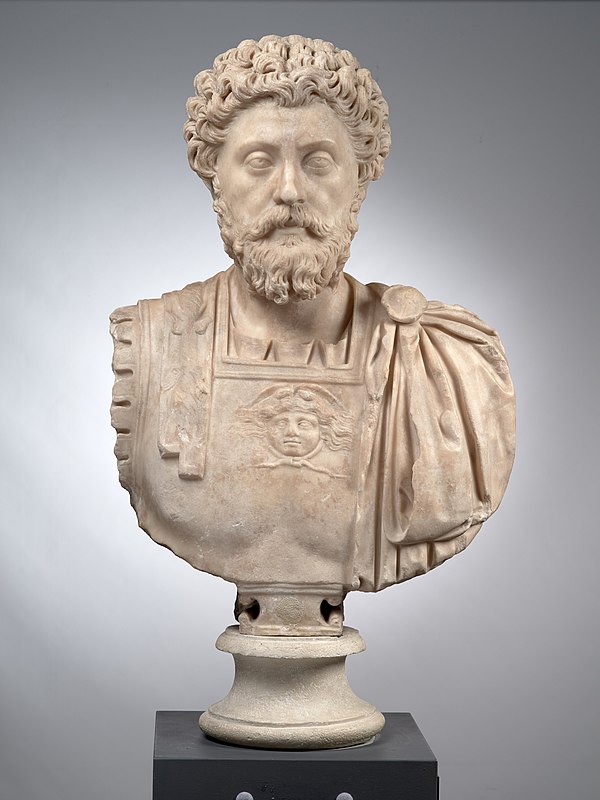
The Art of Compassionate Patience
In his profound reflection, Marcus Aurelius offers a dual pathway for engaging with the shortcomings of others: either strive to elevate their understanding or cultivate the patience to endure their flaws. This quote, "Either teach them better if it be in thy power, or bear with them," encapsulates a fundamental Stoic principle that emphasizes the importance of compassion and patience in our interactions. The stakes are high; our ability to navigate relationships with grace can significantly impact our own peace of mind and the well-being of those around us.
At its core, this teaching invites us to confront the challenges posed by human imperfection. It acknowledges that while we may desire to uplift others, we are often met with resistance or ignorance. The wisdom of Aurelius lies in recognizing that our response to such situations can either foster growth or lead to frustration. This duality encourages a reflective practice, urging us to assess our capacity for teaching and our willingness to accept the limitations of others.
The image / the metaphor
When we delve into the imagery of Aurelius's quote, we encounter a rich tapestry of verbs that evoke action and acceptance. The phrase "teach them better" suggests an active engagement, a call to share knowledge and wisdom with those who may be struggling. In contrast, "bear with them" introduces a sense of endurance, a quiet strength that allows us to coexist with imperfections without succumbing to irritation. This juxtaposition of teaching and bearing reflects the delicate balance we must strike in our relationships.
Moreover, the metaphor extends beyond mere interaction; it speaks to the essence of our shared humanity. To "teach" implies a recognition of potential, a belief that others can grow and evolve. Conversely, to "bear" signifies an acknowledgment of our own limitations and the reality that not all can be transformed at once. This duality invites us to embrace both action and acceptance, fostering a compassionate approach to the complexities of human nature.
In the speaker's tradition
Marcus Aurelius's wisdom is deeply rooted in the Stoic tradition, which emphasizes the cultivation of virtue and the practice of self-control. Central to Stoicism is the concept of *apatheia*, or the ability to remain undisturbed by external circumstances. This aligns with Aurelius's call to either teach or bear with others, suggesting that our emotional responses should be guided by reason rather than impulse. In this light, the quote reflects a profound understanding of *dharma*, the ethical path that encourages us to act with integrity while accepting the limitations of others.
In his *Meditations*, Aurelius often reflects on the nature of human relationships, urging us to see the interconnectedness of all beings. This resonates with the Buddhist concept of *sunyata*, or emptiness, which teaches that our perceptions of self and other are often clouded by ignorance. By recognizing the shared struggles of humanity, we can approach others with compassion, embodying the Stoic ideal of virtue in our interactions. Aurelius's teachings remind us that patience and understanding are not merely passive responses but active expressions of our commitment to the greater good.
Living the teaching
Consider a modern scenario in which a colleague consistently misses deadlines, causing frustration within the team. In this situation, Aurelius's teaching invites us to reflect on our response. We can choose to engage with the colleague, offering support and guidance to help them improve their time management skills. Alternatively, if we find that our efforts are met with resistance, we may need to practice patience, recognizing that not everyone is ready or able to change at the same pace. This approach not only fosters a more harmonious work environment but also nurtures our own emotional resilience.
In a more personal context, imagine a close friend who repeatedly makes choices that lead to negative consequences. Here, Aurelius's wisdom encourages us to assess our role in their journey. We might feel compelled to share our insights, hoping to guide them toward better decisions. However, if our attempts are met with defensiveness, we must cultivate the patience to accept their autonomy. This dynamic illustrates the delicate interplay between teaching and bearing, reminding us that love and compassion often require us to hold space for others, even when it is challenging.
A reflection
As we contemplate Marcus Aurelius's profound words, we are invited to consider our own responses to the imperfections of those around us. How can we embody the balance of teaching and bearing in our daily interactions? This question encourages us to reflect on our relationships, prompting us to explore where we might need to extend compassion or where we can offer guidance. In this inquiry, we find the essence of Aurelius's teaching, a call to cultivate both wisdom and patience in the face of human frailty.




Join the BrightStar Community
Stay connected with daily inspiration, event announcements, and community wisdom