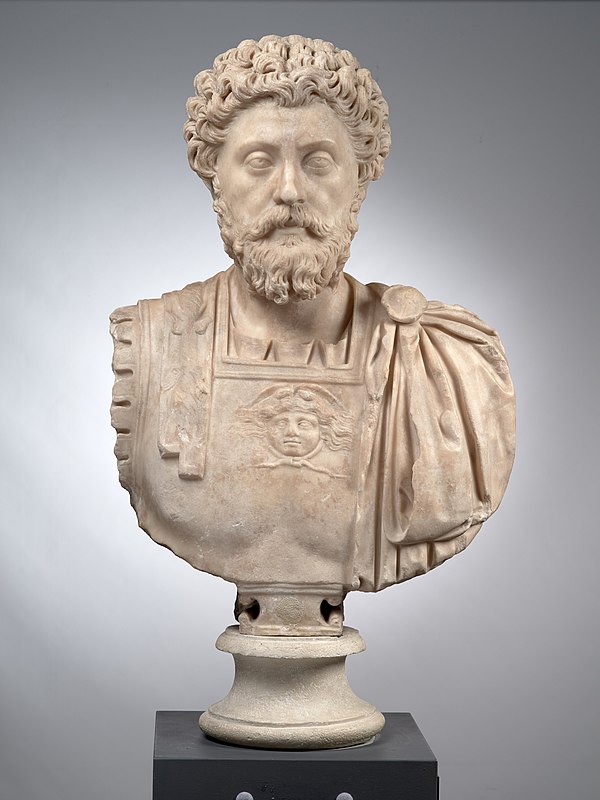
The Freedom of Inner Focus
In his profound observation, Marcus Aurelius suggests that one who refrains from obsessively monitoring the thoughts and actions of others gains invaluable time and mental clarity. This insight speaks to the heart of Stoic philosophy, emphasizing the importance of self-governance and inner peace. In a world rife with distractions and external judgments, Aurelius invites us to cultivate a focus that is inward rather than outward, a practice that can lead to a more meaningful existence.
By advocating for a detachment from the opinions and behaviors of others, Aurelius highlights a fundamental Stoic principle: the mastery of one's own mind. This teaching resonates deeply in our contemporary lives, where social media and constant connectivity often lead us to compare ourselves with others. The stakes are high; when we allow ourselves to be swayed by external influences, we risk losing touch with our authentic selves and the unique paths we are meant to traverse.
The image / the metaphor
At its core, Aurelius's quote paints a vivid picture of the mental landscape we navigate daily. The imagery of "gaining time" evokes a sense of liberation, suggesting that by turning our gaze inward, we reclaim precious moments that would otherwise be spent in the futile pursuit of external validation. The verbs "look" and "see" imply an active choice; we can choose where to direct our attention, and in doing so, we can cultivate a more serene and focused existence.
Diving deeper into this metaphor, we can perceive the act of looking outward as a form of distraction that pulls us away from our true purpose. The notion of "neighbour" serves as a reminder of the social pressures that often dictate our thoughts and actions. By resisting the urge to engage in this external comparison, we create space for self-reflection and personal growth, allowing our inner wisdom to guide us rather than the cacophony of external voices.
In the speaker's tradition
Marcus Aurelius stands as a pillar of Stoic philosophy, a tradition that emphasizes the importance of virtue, reason, and self-control. Central to Stoicism is the concept of "apatheia," or the state of being free from emotional disturbances caused by external circumstances. This aligns closely with the idea of "dharma" in Eastern philosophies, where the focus is on fulfilling one's own path without being swayed by the actions or opinions of others. Both traditions encourage a deep understanding of oneself as the foundation for a fulfilling life.
In his "Meditations," Aurelius often reflects on the transient nature of life and the importance of living in accordance with nature. He writes, "You have power over your mind—not outside events. Realize this, and you will find strength." This sentiment echoes the essence of his quote, reinforcing the notion that true strength lies in our ability to govern our thoughts and actions, rather than being at the mercy of external influences.
Living the teaching
Consider a modern scenario where this teaching can be applied: imagine scrolling through social media, bombarded by curated images of others' lives. Each post can evoke feelings of inadequacy or envy, pulling us away from our own journey. By consciously choosing to disengage from this comparison, we can redirect our focus toward our own goals and aspirations, reclaiming the time and energy that would otherwise be lost in the pursuit of external approval.
In the realm of relationships, Aurelius's teaching can be particularly transformative. When faced with conflict or differing opinions, we often find ourselves preoccupied with how others perceive us or how we might respond to their judgments. By grounding ourselves in our own values and intentions, we can approach these situations with clarity and compassion, fostering deeper connections rather than allowing external opinions to dictate our responses.
A reflection
As we contemplate Aurelius's wisdom, we are invited to reflect on our own lives: How often do we find ourselves looking outward, measuring our worth against the actions and thoughts of others? In what ways can we cultivate a deeper focus on our own paths, allowing ourselves the freedom to grow and evolve without the weight of external expectations? This inquiry can serve as a guiding light, illuminating the path toward a more authentic and fulfilling existence.




Join the BrightStar Community
Stay connected with daily inspiration, event announcements, and community wisdom