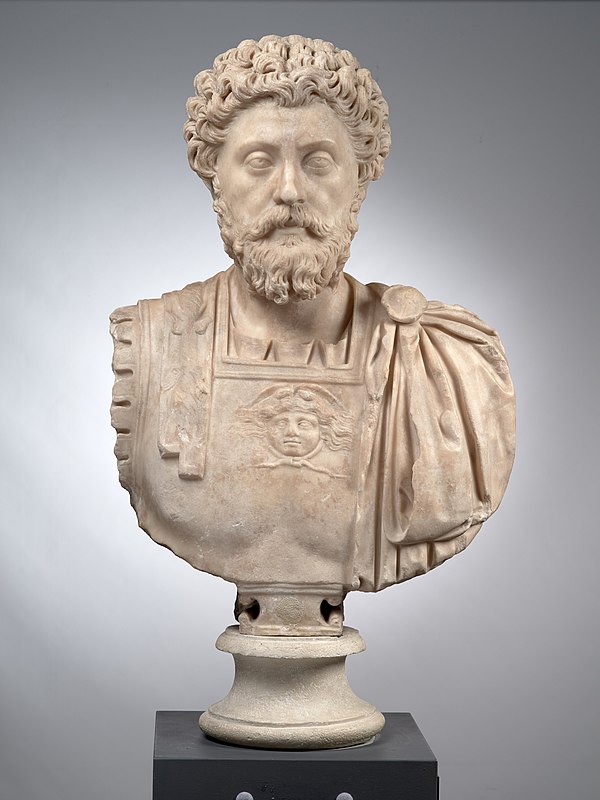
The Freedom of Inner Focus
In the words of Marcus Aurelius, "How much time he saves who does not look to see what his neighbor says or does or thinks." This profound observation invites us to consider the immense value of directing our attention inward rather than outward. In a world saturated with distractions and external judgments, Aurelius reminds us that the path to personal clarity and peace lies in the cultivation of our own thoughts and actions, free from the noise of others. This teaching is not merely a call for self-absorption; it is an invitation to engage deeply with our own lives, fostering a sense of autonomy and purpose.
As we navigate the complexities of modern existence, the relevance of Aurelius's wisdom becomes increasingly apparent. The incessant flow of information and the pervasive influence of social media often lead us to compare ourselves with others, fostering a sense of inadequacy or envy. By choosing not to dwell on the opinions or actions of our neighbors, we reclaim precious time and energy that can be better spent on self-reflection and personal growth. This quote serves as a gentle yet firm reminder that our true power lies in our ability to focus on our own journey, cultivating a life that resonates with our values and aspirations.
The image / the metaphor
At its core, Aurelius's quote paints a vivid picture of the human experience, emphasizing the dichotomy between external observation and internal contemplation. The phrase "how much time he saves" evokes a sense of urgency, suggesting that every moment spent fixating on others detracts from our own potential. The verbs "look" and "see" imply an active choice; we have the agency to decide where we direct our gaze. This imagery encapsulates the struggle between the external world and the inner self, highlighting the importance of conscious attention in our daily lives.
Diving deeper into the metaphor, we can perceive the act of looking outward as a form of distraction that can lead to a loss of self. When we fixate on what others think or do, we risk losing sight of our own values and intentions. This metaphor serves as a powerful reminder that our inner landscape is often more fertile ground for growth than the tumultuous terrain of external comparison. By choosing to turn our focus inward, we cultivate a rich inner life that can flourish without the interference of external judgments.
In the speaker's tradition
Marcus Aurelius stands as a pillar of Stoic philosophy, a tradition that emphasizes the importance of personal virtue and the cultivation of inner peace. Central to Stoicism is the concept of *apatheia*, or the ability to maintain equanimity in the face of external circumstances. This aligns closely with the idea of *dharma* in Eastern philosophies, which encourages individuals to follow their own path and purpose without being swayed by societal expectations. Both traditions advocate for a focus on self-awareness and personal integrity, urging us to remain steadfast in our values regardless of external influences.
In his *Meditations*, Aurelius frequently reflects on the transient nature of life and the futility of seeking validation from others. He writes, "You have power over your mind—not outside events. Realize this, and you will find strength." This assertion echoes the essence of his quote, reinforcing the notion that true strength and clarity arise from within. By cultivating a strong inner foundation, we can navigate the world with greater resilience, unencumbered by the opinions and actions of those around us.
Living the teaching
Consider a modern scenario where this teaching resonates profoundly: the workplace. In an environment often rife with competition and comparison, it is easy to become preoccupied with how colleagues perceive our contributions. By consciously choosing to focus on our own work and values, we can enhance our productivity and creativity. This shift in perspective not only saves time but also fosters a sense of fulfillment, as we engage more deeply with our tasks rather than being distracted by the judgments of others.
In the realm of personal relationships, Aurelius's wisdom can be equally transformative. Imagine a moment of conflict with a loved one, where the temptation to dwell on their actions or words can lead to resentment. By redirecting our focus inward, we can examine our own feelings and responses, fostering a more compassionate and understanding approach. This practice of self-reflection not only deepens our connections but also liberates us from the burden of external expectations, allowing for more authentic interactions.
A reflection
As we contemplate the essence of Aurelius's quote, we are invited to ask ourselves: "In what areas of my life am I allowing the opinions of others to dictate my actions and thoughts?" This question serves as a powerful tool for self-exploration, encouraging us to identify the distractions that may be hindering our personal growth. By embracing the practice of inward focus, we can cultivate a life that is not only more authentic but also more aligned with our true selves, ultimately leading to a deeper sense of peace and fulfillment.




Join the BrightStar Community
Stay connected with daily inspiration, event announcements, and community wisdom