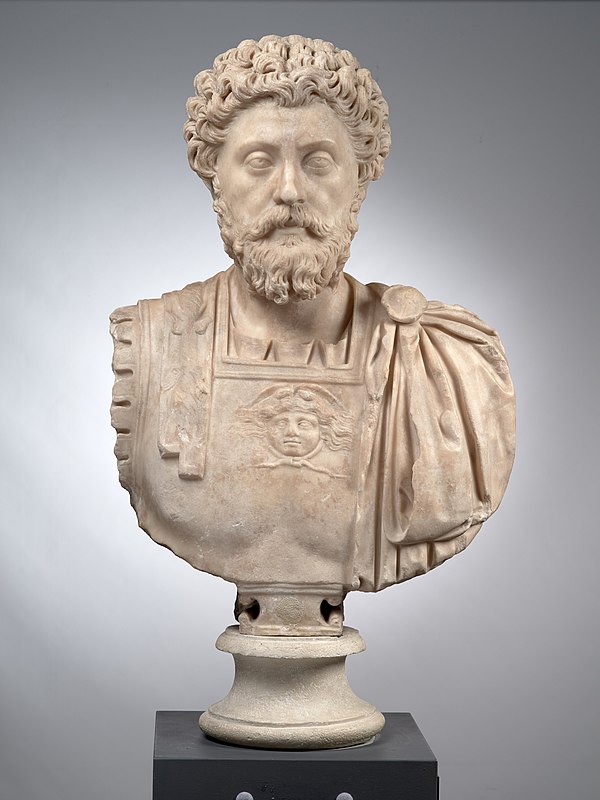
Unveiling the Inner Reservoir of Strength
In the words of Marcus Aurelius, "Look well into thyself; there is a source of strength which will always spring up if thou wilt always look." This profound statement invites us to explore the depths of our inner selves, suggesting that true resilience and fortitude lie within. In a world often characterized by external pressures and distractions, Aurelius reminds us of the importance of introspection and self-awareness as pathways to uncovering our inherent strength. The stakes are high; in neglecting this inner exploration, we risk becoming adrift in the chaos of life, disconnected from our true potential.
Delving deeper into this wisdom, Aurelius emphasizes the necessity of consistent self-examination. The act of looking within is not a one-time endeavor but a continuous journey that requires dedication and courage. This ongoing process of self-reflection allows us to tap into a wellspring of strength that is not contingent upon external circumstances. By cultivating this inner awareness, we can navigate life's challenges with greater resilience and clarity, ultimately leading to a more authentic and fulfilling existence.
The image / the metaphor
At the heart of Aurelius's quote lies a vivid metaphor of looking within oneself. The phrase "look well into thyself" evokes an image of deep introspection, akin to a miner sifting through layers of earth to uncover precious gems. The verbs "look" and "spring up" suggest an active engagement with our inner landscape, where strength is not merely found but actively cultivated. This imagery conveys a sense of dynamism; strength is not a static quality but a living force that emerges when we dare to explore the depths of our own being.
Moreover, the metaphor of a source implies that this strength is both abundant and renewable. Just as a spring continuously flows, so too does our inner strength have the potential to rise and replenish itself. This notion challenges the common belief that strength is something we must acquire from external sources. Instead, Aurelius invites us to recognize that the true reservoir of strength resides within, waiting to be accessed through mindful introspection and self-awareness.
In the speaker's tradition
Marcus Aurelius's insights are deeply rooted in the Stoic tradition, which emphasizes the importance of virtue, reason, and self-control. Central to Stoicism is the concept of 'eudaimonia,' often translated as human flourishing or well-being, which is achieved through living in accordance with nature and reason. This aligns with the idea of looking within, as self-examination is essential for understanding our true nature and aligning our actions with our values. In this context, the practice of 'kenosis,' or self-emptying, resonates with Aurelius's call to look inward, as it encourages us to release attachments to external validations and instead cultivate an inner sense of strength.
Furthermore, Aurelius's emphasis on self-reflection can be likened to the Buddhist concept of 'sunyata,' or emptiness, which invites individuals to explore the nature of their thoughts and emotions without attachment. In both traditions, the journey inward is seen as a path to liberation and strength. The Stoic philosopher Seneca echoes this sentiment in his writings, stating that "a good character, when it is examined, will always be found to be strong." This reinforces the idea that true strength is cultivated through a deep understanding of oneself, a theme that resonates throughout Stoic literature.
Living the teaching
Consider a modern scenario where this teaching can be applied: a professional facing overwhelming stress at work. In such moments, the temptation may be to seek solace in external distractions—be it social media, shopping, or even excessive work. However, by heeding Aurelius's advice to look within, the individual can take a step back and engage in self-reflection. This might involve journaling about their feelings, identifying the root causes of their stress, and recognizing their inherent capabilities to navigate these challenges. Through this introspective process, they can uncover a reservoir of strength that empowers them to approach their work with renewed clarity and purpose.
Another application of this teaching can be found in personal relationships. Imagine a situation where misunderstandings arise between partners, leading to conflict and frustration. Instead of reacting impulsively, one might pause to reflect on their own feelings and motivations. By looking within, they can gain insights into their own insecurities or fears that may be influencing their reactions. This self-awareness not only fosters personal growth but also paves the way for more compassionate communication, ultimately strengthening the relationship. In both scenarios, the act of looking inward becomes a transformative practice that cultivates resilience and deepens connections.
A reflection
As we contemplate Marcus Aurelius's profound invitation to look within, we are left with a contemplative question: What hidden strengths lie dormant within me, waiting to be discovered through the practice of self-reflection? This inquiry encourages us to embark on our own journey of introspection, inviting us to explore the depths of our being and uncover the resilience that resides within. In a world that often pulls us outward, may we find the courage to turn our gaze inward and embrace the strength that is uniquely ours.




Join the BrightStar Community
Stay connected with daily inspiration, event announcements, and community wisdom