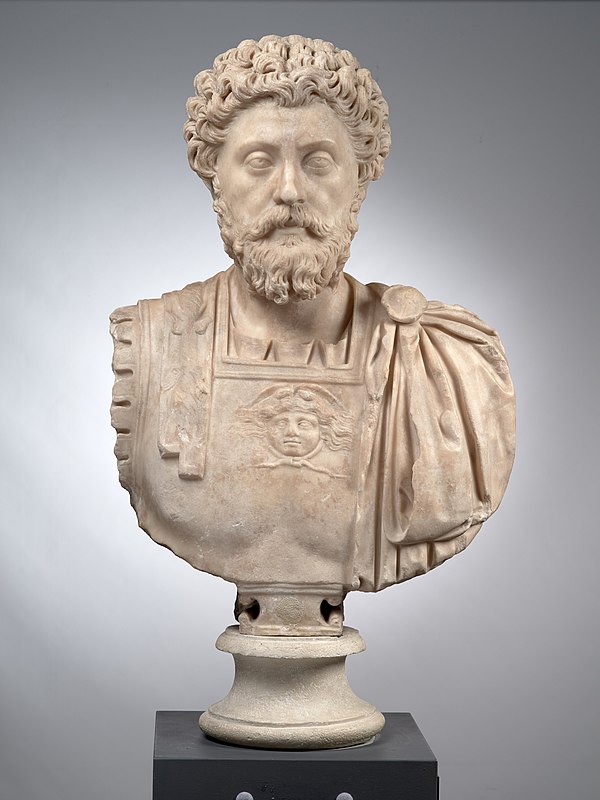
The Resilience of the Human Spirit
Marcus Aurelius, in his profound reflection, states, "Nothing happens to anyone that he is not fitted by nature to bear." This assertion speaks to the inherent strength within each individual, suggesting that we possess the capacity to endure whatever life presents. The stakes of this wisdom are high; in a world rife with challenges and uncertainties, understanding our innate resilience can transform our approach to suffering and adversity. It invites us to reconsider our relationship with hardship, framing it not as a burden but as a testament to our capabilities.
Delving deeper, Aurelius's words resonate with the Stoic belief that our experiences, however difficult, are not random occurrences but rather opportunities for growth and self-discovery. This perspective encourages a profound acceptance of life’s trials, suggesting that each challenge is tailored to our unique strengths and weaknesses. By embracing this notion, we can cultivate a mindset that not only withstands adversity but also thrives in its presence, ultimately leading to a more profound understanding of ourselves and our place in the world.
The image / the metaphor
At the heart of Aurelius's quote lies a powerful metaphor of nature and fitness. The imagery evokes a sense of organic alignment, where each individual is inherently equipped to face their unique set of circumstances. The verbs "happens" and "bear" suggest a dynamic interplay between external events and internal fortitude, emphasizing that while we cannot control what occurs around us, we can control how we respond. This relationship between the self and the external world is central to Stoic philosophy, which teaches that our perceptions shape our experiences.
Going deeper into this metaphor, we can see that "fitted by nature" implies a kind of preordained strength, a natural resilience that exists within us. It suggests that our very essence is designed to confront and navigate the complexities of life. This idea aligns with the Stoic belief in the rationality of the universe, where each person is a part of a larger whole, endowed with the tools necessary to engage with their reality. In this light, suffering becomes not merely an obstacle but a vital component of our growth, shaping us into who we are meant to be.
In the speaker's tradition
Marcus Aurelius's insights are deeply rooted in the Stoic tradition, which emphasizes the importance of virtue, rationality, and acceptance of fate. This philosophy resonates with concepts found in other spiritual traditions, such as dharma in Hinduism, which speaks to the idea of fulfilling one's duty in accordance with one's nature. Similarly, the Buddhist concept of sunyata, or emptiness, invites us to recognize the impermanence of suffering and the potential for transformation inherent in every experience. Both traditions echo Aurelius's sentiment that we are equipped to navigate the trials of existence.
In his seminal work, "Meditations," Aurelius often reflects on the nature of the self and the universe, urging us to align our actions with our inner virtues. He writes about the importance of accepting what we cannot change while focusing on our responses to those changes. This echoes the Stoic practice of premeditatio malorum, or the premeditation of evils, where one anticipates potential challenges to cultivate resilience. Such practices encourage a proactive approach to life's difficulties, reinforcing the idea that we are indeed fitted by nature to bear our burdens.
Living the teaching
Consider a modern scenario where this teaching can be applied: a person facing a sudden job loss. Initially, this event may feel overwhelming, evoking feelings of inadequacy and fear. However, by embracing Aurelius's wisdom, one might begin to see this challenge as an opportunity for growth. The individual could reflect on their skills, passions, and the potential for new beginnings, recognizing that they possess the inner resources to navigate this transition. This shift in perspective transforms a seemingly negative experience into a catalyst for personal development and resilience.
Another application of this teaching can be found in interpersonal relationships, particularly during conflicts. When faced with a disagreement, it is easy to feel victimized or powerless. However, by internalizing the essence of Aurelius's quote, one can approach the situation with a sense of agency and strength. Recognizing that the conflict is an opportunity to learn about oneself and the other person can foster deeper understanding and connection. This practice of reframing challenges as growth opportunities not only enhances personal relationships but also cultivates a more compassionate and resilient community.
A reflection
As we contemplate Marcus Aurelius's assertion that "nothing happens to anyone that he is not fitted by nature to bear," we are invited to reflect on our own lives. What challenges have you faced that, in hindsight, have revealed your inner strength? In what ways can you embrace the difficulties you encounter as opportunities for growth? Allow these questions to guide your meditation, fostering a deeper understanding of your resilience and the transformative power of acceptance.




Join the BrightStar Community
Stay connected with daily inspiration, event announcements, and community wisdom