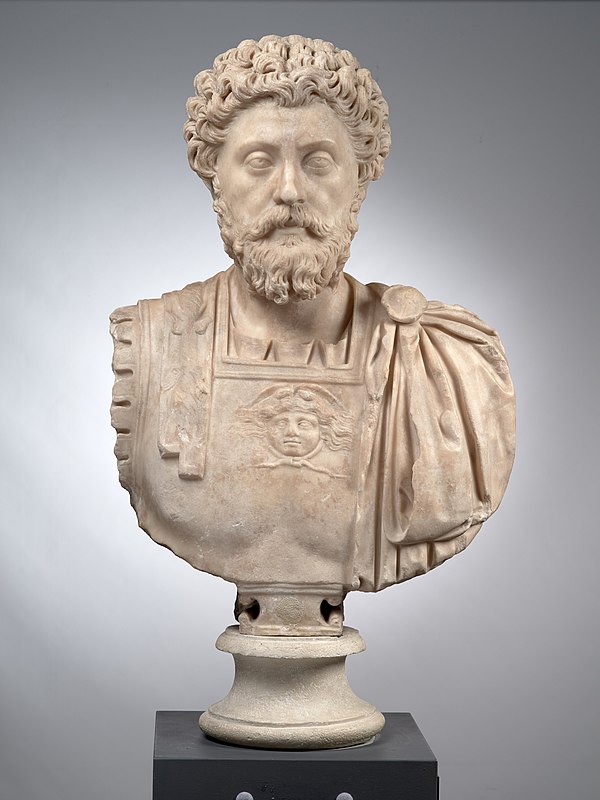
The Art of Letting Go: Embracing Humility and Non-Attachment
“Receive without conceit; release without struggle.” In this succinct yet profound statement, Marcus Aurelius invites us to cultivate a mindset of humility and non-attachment. The essence of this teaching lies in the delicate balance between accepting what life offers and letting go of what no longer serves us. In a world often driven by ego and desire, Aurelius's wisdom serves as a gentle reminder of the peace that can be found in surrendering our attachments and embracing the present moment.
To receive without conceit is to approach life with an open heart, free from the burdens of pride and entitlement. It encourages us to acknowledge the gifts we are given, whether they come in the form of relationships, opportunities, or experiences, without allowing them to inflate our sense of self. Conversely, to release without struggle speaks to the importance of letting go of our attachments, whether they be to people, possessions, or outcomes. This duality of receiving and releasing is not merely a practice but a way of being that fosters inner tranquility and resilience.
The image / the metaphor
The imagery in Aurelius's quote evokes a sense of fluidity and grace. To "receive" suggests an openness, a willingness to accept the world as it is, while "conceit" implies a barrier that can distort our perception. The act of receiving without conceit is akin to holding a delicate flower; we appreciate its beauty without claiming ownership over it. Similarly, "release without struggle" conjures the image of a leaf floating gently down a stream, surrendering to the flow of life rather than clinging to the banks of our desires.
In the speaker's tradition
Marcus Aurelius's teachings are rooted in Stoicism, a philosophy that emphasizes virtue, reason, and the importance of living in accordance with nature. The concepts of non-attachment and humility resonate deeply within this tradition, echoing the teachings of other spiritual paths. For instance, in Buddhism, the notion of "sunyata" or emptiness encourages practitioners to let go of attachments to self and material possessions, mirroring Aurelius's call to release without struggle. Similarly, the Christian concept of "kenosis," or self-emptying, invites believers to relinquish their ego in favor of divine love.
In his work "Meditations," Aurelius often reflects on the transient nature of life and the importance of accepting what we cannot control. One poignant passage reminds us that “the universe is change; our life is what our thoughts make it.” This aligns with the idea that our attachments and struggles are often rooted in our perceptions and thoughts. By cultivating a mindset of humility and non-attachment, we can navigate the complexities of existence with greater ease and grace.
Living the teaching
Consider a modern scenario where this teaching can be applied: a job interview. As you prepare, you may feel a mix of excitement and anxiety. To receive without conceit means entering the interview with an open heart, appreciating the opportunity without allowing the outcome to define your worth. If you are offered the position, you can celebrate the achievement without becoming overly attached to the title or status it brings. Conversely, if you do not get the job, releasing without struggle allows you to accept the outcome gracefully, understanding that it is merely a part of your journey.
In the realm of relationships, this teaching can also be transformative. Imagine a friendship that has run its course. To receive without conceit means cherishing the moments shared without clinging to the past. Releasing without struggle involves acknowledging that people grow and change, and sometimes, letting go is the most loving act we can offer ourselves and others. By practicing this duality, we cultivate deeper connections and a more profound sense of peace within ourselves.
A reflection
As we contemplate Marcus Aurelius's wisdom, we are invited to reflect on our own lives: What attachments are we clinging to that may be causing us suffering? In what ways can we practice receiving the gifts of life with humility and releasing what no longer serves us? By engaging with these questions, we can begin to embody the essence of Aurelius's teaching, fostering a sense of freedom and tranquility in our daily existence.




Join the BrightStar Community
Stay connected with daily inspiration, event announcements, and community wisdom