The Colors of Thought: A Journey into the Soul
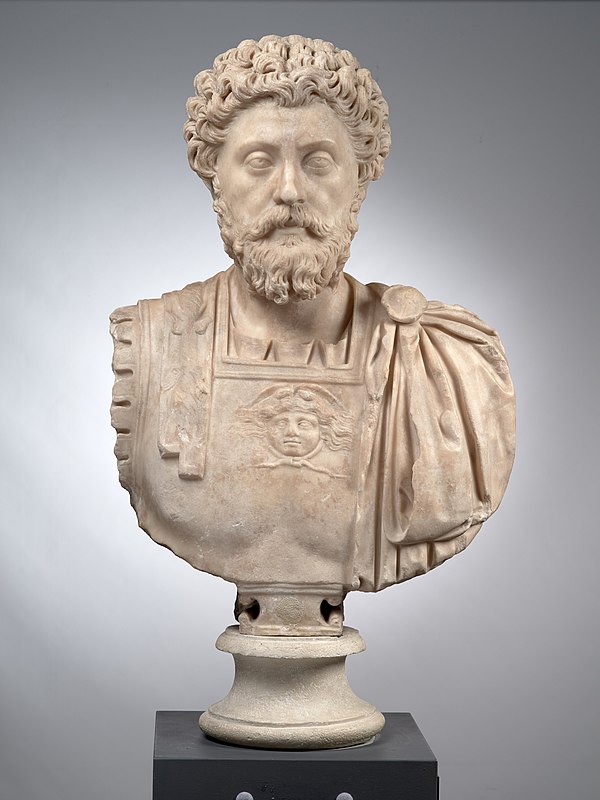
Marcus Aurelius, the Stoic philosopher and Roman Emperor, profoundly stated, "The soul becomes dyed with the color of its thoughts." This assertion invites us to reflect on the intimate relationship between our inner dialogues and the essence of our being. In a world often dominated by external influences, this quote serves as a reminder that our thoughts shape our reality, coloring our experiences and perceptions. Understanding this connection is essential for personal growth and spiritual development, as it emphasizes the power we hold over our own minds and, consequently, our lives.
Delving deeper, Aurelius's insight reveals the transformative potential of our thoughts. Each thought we entertain acts as a brushstroke on the canvas of our soul, influencing our emotional landscape and moral character. This notion resonates with the Stoic belief that while we cannot control external events, we can govern our responses to them. By cultivating awareness of our thoughts, we can consciously choose those that uplift and empower us, thereby enriching our inner lives and fostering resilience in the face of adversity.
The image / the metaphor
The imagery in Aurelius's quote evokes a vivid picture of the soul as a canvas, one that is susceptible to the hues of our thoughts. The verb "becomes dyed" suggests a process of transformation, indicating that our thoughts are not merely fleeting ideas but rather potent forces that leave a lasting imprint on our essence. This metaphor illustrates the dynamic interplay between the mind and the soul, emphasizing that our internal narratives shape our identity and emotional well-being.
Going deeper, the metaphor of dyeing implies permanence; once a fabric is colored, it cannot revert to its original state without significant effort. This reflects the Stoic understanding of the mind's influence on the soul: our habitual thoughts can create enduring patterns that define our character. Thus, the quality of our thoughts is paramount, as they not only influence our immediate feelings but also shape the trajectory of our lives. The challenge lies in consciously selecting thoughts that align with our values and aspirations, ensuring that the colors we choose to dye our souls are those of wisdom, compassion, and clarity.
In the speaker's tradition
Marcus Aurelius's insights are deeply rooted in Stoicism, a philosophical tradition that emphasizes rationality, self-control, and the importance of virtue. Central to Stoic thought is the concept of *eudaimonia*, often translated as human flourishing or well-being, which is achieved through the cultivation of virtue and the mastery of one's thoughts. This aligns with the idea of *dharma* in Eastern philosophies, where one's duty and moral path are determined by the quality of one's thoughts and actions. Both traditions highlight the significance of inner development as a means to achieve a harmonious existence.
In his *Meditations*, Aurelius frequently reflects on the nature of the mind and its capacity to shape our experiences. For instance, he writes about the importance of focusing on the present moment and maintaining a clear perspective on what is within our control. This echoes the Buddhist concept of *sunyata*, or emptiness, which teaches that our perceptions are often clouded by attachments and misconceptions. By recognizing the transient nature of thoughts, we can cultivate a more profound understanding of our true selves, allowing us to navigate life's challenges with grace and equanimity.
Living the teaching
Consider a modern scenario where this teaching resonates: a person facing a challenging work environment filled with negativity and stress. If they allow their thoughts to dwell on the toxic atmosphere, their soul may become tinted with frustration and despair. However, by consciously choosing to focus on gratitude, resilience, and the potential for growth, they can transform their experience. This shift in perspective not only enhances their emotional state but also influences how they interact with colleagues, fostering a more positive environment around them.
In a different context, think about a relationship that has become strained due to misunderstandings and unspoken grievances. If one partner fixates on negative thoughts about the other, their perception of the relationship becomes clouded, leading to further discord. Conversely, by intentionally cultivating thoughts of empathy, understanding, and appreciation for the partner's qualities, they can begin to heal the rift. This practice of reframing thoughts not only enriches the relationship but also nurtures the soul, allowing both individuals to grow together in love and harmony.
A reflection
As we contemplate Marcus Aurelius's profound statement, we are invited to examine the colors we allow to permeate our thoughts. What hues are currently painting the canvas of your soul? Are they vibrant and uplifting, or dark and heavy? In this moment of reflection, consider: how might your life change if you consciously chose to cultivate thoughts that align with your highest self? This question beckons us to explore the transformative power of our inner dialogues and encourages us to take responsibility for the emotional landscapes we create.




Join the BrightStar Community
Stay connected with daily inspiration, event announcements, and community wisdom