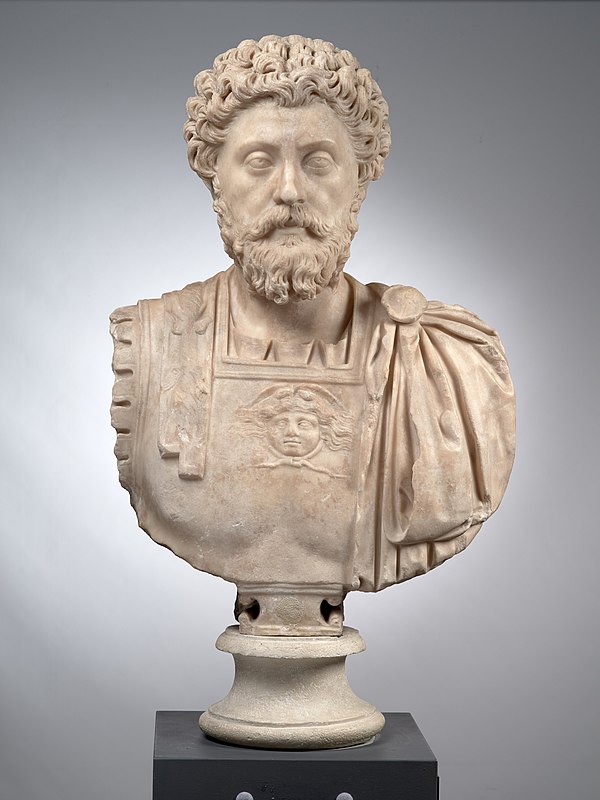
Turning Inward: The Path to Humility and Self-Awareness
In the words of Marcus Aurelius, "When you are offended at any man's fault, immediately turn to yourself and reflect in what manner you yourself have erred." This profound statement invites us to shift our focus from the perceived shortcomings of others to our own actions and attitudes. In a world rife with conflict and judgment, this teaching serves as a powerful reminder of the importance of self-reflection and humility. By examining our own faults, we not only cultivate a deeper understanding of ourselves but also foster compassion for those around us.
At its core, Aurelius's quote challenges us to confront our instinctive reactions to the flaws of others. It urges us to recognize that our judgments often stem from our own insecurities and imperfections. This practice of introspection is not merely an exercise in self-criticism; rather, it is an invitation to grow and evolve. By acknowledging our own failings, we can cultivate a sense of empathy and understanding, transforming our relationships and interactions with others.
The image / the metaphor
The imagery in Aurelius's quote is striking in its simplicity yet profound in its implications. The act of turning inward suggests a physical movement, a deliberate choice to redirect our gaze from the external to the internal. The verbs "turn" and "reflect" evoke a sense of active engagement, as if we are being called to participate in our own growth. This metaphorical turning is not passive; it requires effort and intention, inviting us to confront uncomfortable truths about ourselves.
In the speaker's tradition
Marcus Aurelius stands as a pivotal figure in the Stoic tradition, which emphasizes the cultivation of virtue, wisdom, and self-control. Central to Stoicism is the concept of *ataraxia*, or inner peace, which can be achieved through self-examination and the practice of virtue. Aurelius's call for self-reflection aligns closely with the Stoic belief in *prohairesis*, the idea that we have the power to choose our responses to external events. By turning our focus inward, we reclaim agency over our thoughts and actions, aligning ourselves with the Stoic ideal of living in accordance with nature and reason.
In the broader context of spiritual traditions, Aurelius's teaching resonates with concepts such as *kenosis*, the act of self-emptying found in Christian mysticism, and *sunyata*, the Buddhist notion of emptiness. Both emphasize the importance of relinquishing ego and embracing humility. In this light, Aurelius's exhortation to reflect on our own faults becomes a pathway to deeper wisdom, inviting us to transcend our limited perspectives and cultivate a more expansive understanding of ourselves and others.
Living the teaching
Consider a modern scenario where this teaching might resonate: a heated discussion at work where a colleague's mistakes provoke frustration. In that moment, Aurelius's wisdom invites us to pause and reflect on our own contributions to the situation. Perhaps we, too, have made errors or have been less than gracious in our responses. By turning inward, we can transform our frustration into an opportunity for growth, fostering a more collaborative and understanding environment.
In the realm of personal relationships, this teaching can be particularly transformative. Imagine a disagreement with a loved one that leaves both parties feeling hurt and misunderstood. Instead of fixating on the other person's faults, we can choose to reflect on our own role in the conflict. This practice not only deepens our self-awareness but also opens the door to healing and reconciliation. By acknowledging our own imperfections, we create space for empathy and connection, allowing love to flourish even in challenging moments.
A reflection
As we contemplate Marcus Aurelius's invitation to self-reflection, we might ask ourselves: "In what ways do I project my own faults onto others, and how can I cultivate a more compassionate understanding of their struggles?" This question encourages us to engage in a deeper exploration of our own motivations and reactions, fostering a sense of humility and interconnectedness. By embracing this practice, we can transform our relationships and our understanding of ourselves, ultimately leading to a more harmonious existence.




Join the BrightStar Community
Stay connected with daily inspiration, event announcements, and community wisdom