The Wisdom of Selfless Action
In the words of Marcus Aurelius, “When you've done well and another has benefited by it, why like a fool do you look for a third reward besides?” This profound statement invites us to reflect on the nature of our actions and the motivations behind them. It challenges the tendency to seek additional validation or recognition after performing a good deed, urging us to consider the intrinsic value of virtue and service. In a world often driven by external accolades, Aurelius beckons us to find fulfillment in the act of giving itself, a notion that resonates deeply in our quest for meaning.
As we delve deeper into this quote, we uncover layers of meaning that speak to the essence of Stoic philosophy. Aurelius emphasizes the importance of selflessness and the purity of intention in our actions. The idea that one should not seek a “third reward” suggests that true virtue lies in the act of serving others without the expectation of personal gain. This perspective invites us to cultivate a mindset that values the well-being of others above our own desire for recognition, fostering a more compassionate and interconnected existence.
The image / the metaphor
At its core, Aurelius’s quote paints a vivid picture of the relationship between action and reward. The imagery of “doing well” evokes a sense of accomplishment, while the phrase “another has benefited” highlights the interconnectedness of human experience. The use of the word “fool” serves as a stark reminder of the folly in seeking further validation after having already contributed positively to another’s life. This metaphorical landscape encourages us to examine our motivations and to recognize the inherent value in altruism.
Diving deeper into the metaphor, we can see that the “third reward” represents the ego’s insatiable desire for acknowledgment. It is a reminder that the act of giving should not be tainted by ulterior motives. Instead, Aurelius invites us to embrace the notion of selfless service, where the joy of seeing another thrive becomes the only reward we seek. This perspective fosters a sense of liberation, allowing us to act from a place of genuine compassion rather than a need for external validation.
In the speaker's tradition
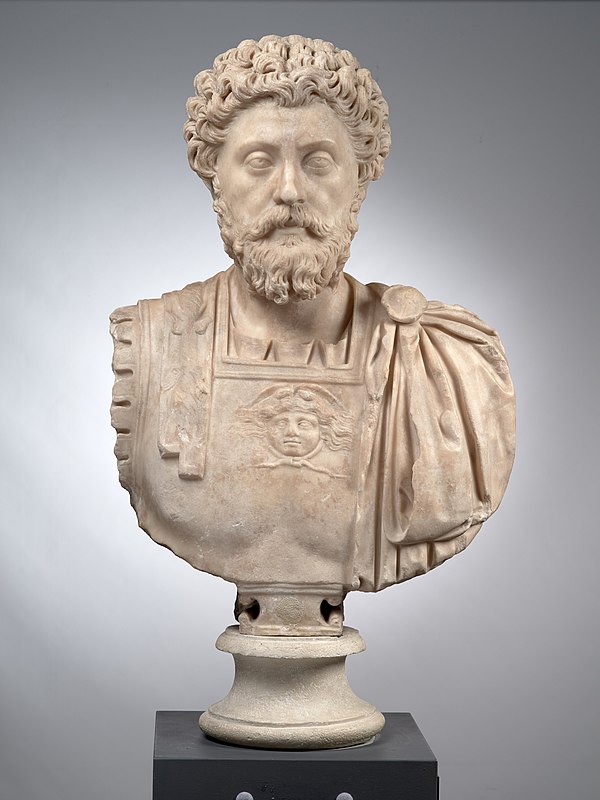
Marcus Aurelius stands as a pillar of Stoic philosophy, a tradition that emphasizes virtue, reason, and the interconnectedness of all beings. Central to Stoicism is the concept of living in accordance with nature, or “dharma,” which encourages individuals to act in ways that promote the common good. This aligns closely with the idea of “kenosis,” or self-emptying, found in various spiritual traditions, where one relinquishes personal desires for the sake of others. Aurelius’s teaching resonates with these concepts, urging us to prioritize the welfare of others over our own ambitions.
In his seminal work, “Meditations,” Aurelius frequently reflects on the importance of virtue and the role of the individual within the larger tapestry of humanity. He writes about the need to act justly and to contribute to the greater good, echoing the sentiments found in other philosophical texts. For instance, the Buddhist concept of “sunyata,” or emptiness, invites practitioners to let go of the self-centered desires that cloud their judgment, paralleling Aurelius’s call for selfless action. Both traditions highlight the transformative power of altruism and the profound impact it can have on our lives and the lives of others.
Living the teaching
Consider a modern scenario where this teaching might resonate: a colleague at work is struggling with a project, and you take the initiative to help them. In this moment, the act of assisting is inherently valuable, yet it can be tempting to seek recognition from others for your kindness. Aurelius’s wisdom reminds us that the true reward lies in the satisfaction of knowing you have made a positive difference in someone else's life, rather than in the accolades that may follow. This perspective can transform the way we approach our interactions, allowing us to engage with others from a place of genuine care.
Another application of this teaching can be found in personal relationships. Imagine a situation where you support a friend through a difficult time, offering your time and emotional energy without expecting anything in return. Aurelius’s insight encourages us to embrace this selfless giving, recognizing that the bond created through such acts is far more valuable than any external acknowledgment. By focusing on the intrinsic rewards of compassion and connection, we cultivate deeper, more meaningful relationships that enrich our lives and the lives of those around us.
A reflection
As we contemplate the essence of Aurelius’s quote, we are invited to reflect on our own motivations in our daily actions. Are we seeking recognition for our good deeds, or can we find fulfillment in the act of serving others? This contemplation encourages us to examine the purity of our intentions and to embrace the profound joy that comes from selfless action. In a world that often prioritizes personal gain, how might we shift our focus to the well-being of others, allowing our actions to be guided by virtue rather than the desire for reward?




Join the BrightStar Community
Stay connected with daily inspiration, event announcements, and community wisdom