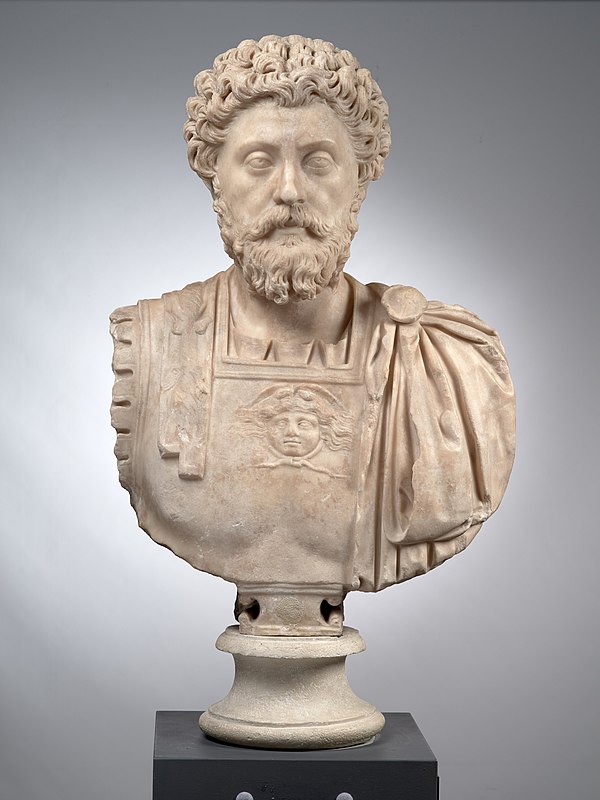
Embracing the Unpleasant: A Stoic Awakening
In the morning, as we rise to greet the day, Marcus Aurelius invites us to prepare our minds for the inevitable challenges we will face. He suggests that we acknowledge the presence of difficult individuals—those who may be meddling, ungrateful, arrogant, dishonest, jealous, and surly. This stark reminder serves not only as a preemptive strike against disappointment but also as a call to cultivate resilience and equanimity in the face of adversity. The stakes are high: our ability to navigate the complexities of human interaction can significantly impact our inner peace and overall well-being.
By framing our expectations in this manner, Aurelius encourages us to adopt a proactive stance toward the day ahead. Rather than being caught off guard by the shortcomings of others, we are urged to recognize these traits as part of the human condition. This perspective fosters a deeper understanding of our shared vulnerabilities and imperfections, allowing us to respond with compassion rather than frustration. In doing so, we not only protect our own tranquility but also contribute to a more harmonious environment, even amidst discord.
The image / the metaphor
At first glance, Aurelius's words may seem bleak, painting a picture of a world filled with negativity and strife. The imagery he employs—meddling, ungrateful, arrogant—evokes a visceral sense of frustration and disappointment. Yet, it is precisely this starkness that serves as a powerful tool for mental preparation. By acknowledging these traits in others, we create a mental landscape where we can navigate our interactions with clarity and intention, rather than being swept away by emotional tides.
Diving deeper into the metaphor, we can see that Aurelius is not merely cataloging human flaws; he is inviting us to engage with them consciously. The act of naming these characteristics allows us to externalize our expectations and, in turn, cultivate a sense of detachment. This detachment does not imply indifference; rather, it encourages us to respond thoughtfully rather than react impulsively. In this way, the quote becomes a meditation on the nature of human relationships and our role within them, urging us to embrace the complexity of existence with grace.
In the speaker's tradition
Marcus Aurelius stands as a pillar of Stoic philosophy, a tradition that emphasizes the importance of rationality, self-control, and virtue in the face of life's challenges. Central to Stoicism is the concept of apatheia, or the ability to maintain emotional equanimity regardless of external circumstances. This aligns closely with the idea of dharma in Eastern philosophies, which speaks to the inherent duty and nature of individuals to navigate the world with wisdom and integrity. Both traditions recognize that suffering often arises from our attachments and expectations, urging us to cultivate a sense of inner peace amidst external chaos.
In his seminal work, the Meditations, Aurelius reflects on the transient nature of life and the importance of accepting what we cannot control. This resonates with the Buddhist concept of sunyata, or emptiness, which teaches that our perceptions of self and others are often illusions that lead to suffering. By embracing the reality of human flaws, we can cultivate a deeper understanding of our interconnectedness and the shared journey of existence, ultimately leading us toward greater compassion and acceptance.
Living the teaching
Consider a modern scenario where this teaching might resonate: you enter a meeting at work, and tensions are palpable. Colleagues are quick to criticize, and the atmosphere is charged with ungratefulness and arrogance. By recalling Aurelius's advice, you can prepare yourself mentally to encounter these traits without being overwhelmed. Instead of reacting defensively, you can choose to respond with patience and understanding, recognizing that their behavior reflects their struggles rather than a personal affront. This conscious preparation allows you to maintain your composure and contribute positively to the discussion.
In a more personal context, think about a challenging relationship with a family member or friend. Perhaps they often exhibit jealousy or surliness, which can lead to conflict. By adopting Aurelius's perspective, you can approach interactions with a sense of foreknowledge, understanding that their behavior is not a reflection of your worth but rather a manifestation of their own issues. This awareness can transform your responses, allowing you to engage with empathy and compassion rather than frustration, ultimately fostering a healthier dynamic.
A reflection
As we contemplate Marcus Aurelius's profound insight, we are invited to reflect on our own expectations of others. How might our perceptions of those around us shape our experiences and interactions? In what ways can we prepare ourselves to respond with grace and understanding, even when faced with the less admirable aspects of human nature? This contemplation not only deepens our understanding of Stoic philosophy but also encourages us to cultivate a more compassionate and resilient approach to life.




Join the BrightStar Community
Stay connected with daily inspiration, event announcements, and community wisdom