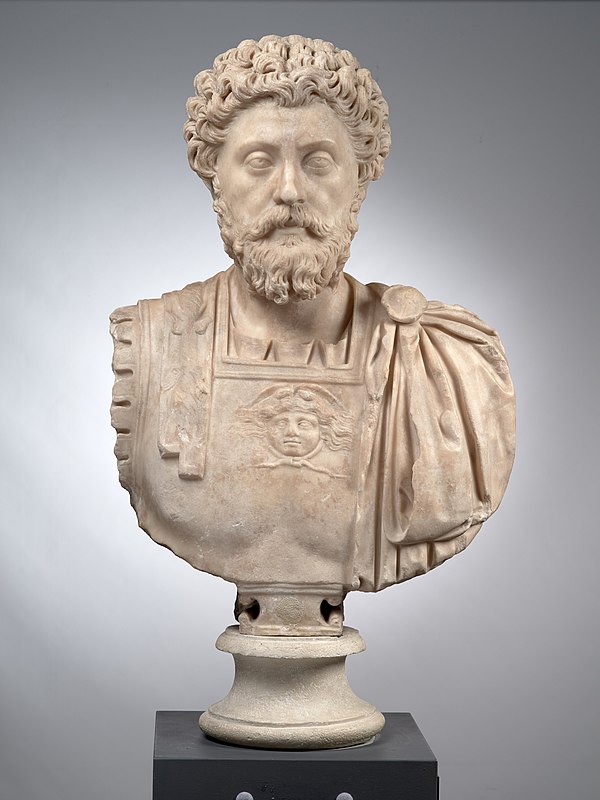
The Wisdom of Suffering: Embracing Pain as a Path to Clarity
In the words of Marcus Aurelius, "Whenever you suffer pain, keep in mind that it's nothing to be ashamed of and that it can't degrade your guiding intelligence." This profound statement invites us to reconsider our relationship with suffering, urging us to see it not as a mark of weakness but as an integral part of our human experience. In a world that often equates pain with failure, Aurelius offers a counter-narrative that emphasizes resilience and the enduring strength of our inner wisdom.
To suffer is to be human, yet the stigma surrounding pain can lead us to hide our struggles, diminishing our capacity for growth and understanding. Aurelius reminds us that pain does not diminish our intellect or moral compass; rather, it can illuminate our path, guiding us toward deeper insights about ourselves and the world around us. By reframing suffering as a teacher rather than an adversary, we open ourselves to the transformative potential that lies within our most challenging experiences.
The image / the metaphor
At the heart of Aurelius's quote lies a rich tapestry of imagery and meaning. The notion of suffering evokes visceral sensations—sharp, heavy, and often isolating. Yet, the phrase "nothing to be ashamed of" serves as a balm, inviting us to release the burdens of guilt and self-judgment that often accompany our pain. The verbs chosen—“keep in mind” and “degrade”—suggest an active engagement with our experiences, urging us to maintain awareness and not allow suffering to diminish our inherent worth or guiding intelligence.
Diving deeper into the metaphor, we can see suffering as a crucible, a transformative space where our character is tested and refined. Just as gold is purified through fire, our guiding intelligence can emerge stronger and clearer through the trials we face. This perspective encourages us to embrace suffering as a necessary part of our journey, one that can lead to greater self-awareness and compassion for others who endure similar struggles.
In the speaker's tradition
Marcus Aurelius, a prominent Stoic philosopher, situates his thoughts on suffering within a broader framework of Stoic ethics, which emphasizes the importance of virtue, rationality, and acceptance of the natural order of life. Central to Stoicism is the concept of *apatheia*, or the ability to maintain equanimity in the face of life's challenges. This aligns closely with the Buddhist notion of *dukkha*, which acknowledges suffering as an inherent aspect of existence, urging us to cultivate wisdom and compassion in response.
In his *Meditations*, Aurelius often reflects on the transient nature of life and the inevitability of suffering. For instance, he writes about the importance of focusing on what is within our control and accepting what is not. This echoes the teachings found in the *Enchiridion* by Epictetus, who emphasizes that our perceptions and responses to events shape our experience more than the events themselves. Both philosophers invite us to cultivate a mindset that sees suffering not as a degradation but as an opportunity for growth and understanding.
Living the teaching
Consider a modern scenario where this teaching resonates deeply: a person grappling with the loss of a loved one. In the immediate aftermath, the pain can feel overwhelming, leading to feelings of isolation and despair. However, by embracing Aurelius's wisdom, this individual might begin to recognize that their grief is a natural response, one that does not diminish their intelligence or capacity for love. Instead, it can serve as a catalyst for deeper connections with others who have experienced similar losses, fostering empathy and understanding.
Another application of this teaching can be found in the context of interpersonal relationships. Imagine a conflict arising between friends, where misunderstandings lead to hurt feelings. By acknowledging the pain of the situation without shame, both parties can engage in open dialogue, allowing their guiding intelligence to navigate the complexities of their emotions. This willingness to confront suffering together can strengthen their bond, transforming a moment of discord into an opportunity for growth and deeper connection.
A reflection
As we contemplate Aurelius's insight, we might ask ourselves: How can I embrace my suffering as a pathway to greater understanding and compassion? This question invites us to reflect on our own experiences of pain and to consider how they have shaped our perspectives and relationships. By engaging with our suffering in this way, we can cultivate a deeper sense of resilience and wisdom, allowing our guiding intelligence to shine even in the darkest moments.




Join the BrightStar Community
Stay connected with daily inspiration, event announcements, and community wisdom