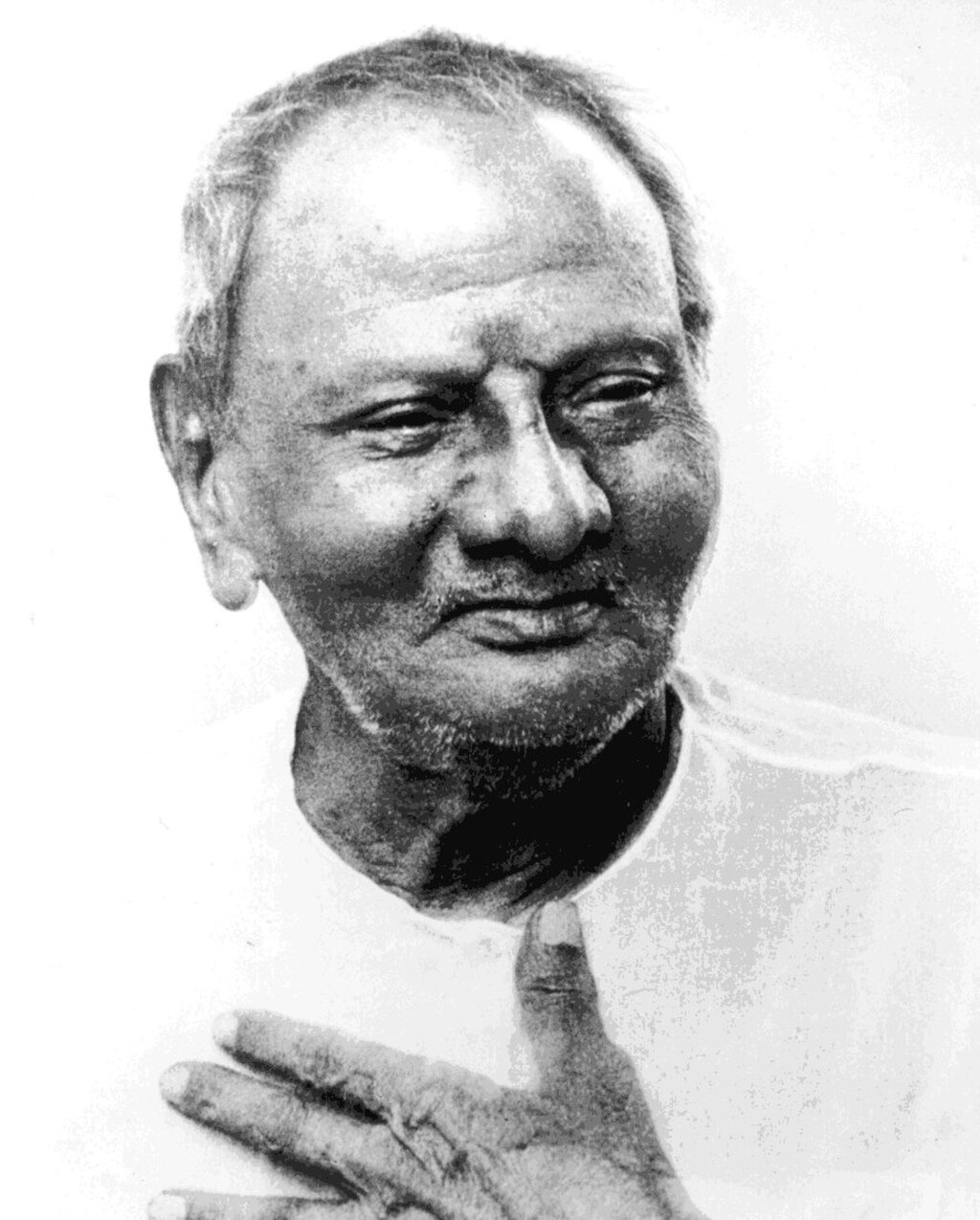
The Timeless Self in a Temporal World
Nisargadatta Maharaj's profound assertion, "All experience is in time. The Self is timeless," invites us to explore the dichotomy between our lived experiences and the essence of our being. In a world that often feels dictated by the relentless march of time, this quote challenges us to reconsider our understanding of identity and existence. It beckons us to recognize that while our experiences unfold within the confines of time, the true nature of the Self transcends these temporal limitations, offering a pathway to deeper awareness and liberation.
This exploration is not merely philosophical; it holds significant implications for how we navigate our lives. By acknowledging the distinction between our transient experiences and the eternal nature of the Self, we can cultivate a sense of peace amidst the chaos of daily life. This understanding encourages us to step back from the incessant flow of thoughts and emotions, allowing us to connect with a more profound aspect of ourselves that remains untouched by the vicissitudes of time.
The image / the metaphor
The imagery in Maharaj's quote evokes a powerful contrast between the fluidity of experience and the solidity of the Self. When he states that "all experience is in time," he highlights the ephemeral nature of our thoughts, feelings, and events, which are constantly shifting and evolving. The use of the word "timeless" in reference to the Self suggests a state of being that is unchanging and eternal, a core essence that exists beyond the fluctuations of life. This duality invites us to visualize our experiences as waves on the surface of an ocean, while the Self remains the vast, unchanging body of water beneath.
In the speaker's tradition
Nisargadatta Maharaj's teachings are rooted in the non-dual tradition, which emphasizes the unity of all existence and the illusion of separateness. Concepts such as *sunyata* (emptiness) and *fana* (annihilation of the self) resonate deeply with his assertion about the timeless nature of the Self. In this context, the Self is not merely an individual identity but rather an expression of the universal consciousness that permeates all of existence. This understanding invites us to dissolve the boundaries that we often impose upon ourselves, recognizing that our true nature is interconnected with the fabric of reality.
In his seminal work, *I Am That*, Maharaj articulates the idea that the realization of the Self is a journey of self-inquiry and introspection. He encourages seekers to question their identification with the transient aspects of life, urging them to turn inward to discover the timeless essence that lies within. This process of self-inquiry echoes the teachings found in other non-dual texts, such as the *Upanishads*, which also emphasize the importance of discerning the eternal from the ephemeral. By engaging with these teachings, we can cultivate a deeper understanding of our true nature and the nature of reality itself.
Living the teaching
Consider a modern scenario where this teaching can be applied: a busy professional overwhelmed by deadlines and responsibilities. In the midst of this whirlwind, the individual may feel as though their identity is entirely tied to their work and the pressures of time. However, by reflecting on Maharaj's insight, they can begin to separate their sense of self from their experiences, recognizing that their true essence is not defined by their job or the ticking clock. This realization can lead to a profound shift in perspective, allowing them to approach their work with greater clarity and calmness.
In a different context, imagine a relationship facing challenges. One partner may feel hurt by the other's actions, leading to a cycle of blame and resentment. By applying the understanding of the timeless Self, both individuals can step back from their emotional reactions and recognize that their true nature transcends these temporary conflicts. This awareness can foster compassion and understanding, allowing them to communicate more openly and heal the rift between them. In both scenarios, the teaching encourages a shift from identification with transient experiences to a recognition of the enduring Self, fostering resilience and deeper connections.
A reflection
As we contemplate Nisargadatta Maharaj's profound statement, we are invited to reflect on our own relationship with time and identity. How often do we find ourselves lost in the currents of experience, forgetting the timeless essence that resides within us? In moments of stress or turmoil, can we pause and reconnect with the deeper Self that remains untouched by the chaos of life? This contemplation can serve as a guiding question, encouraging us to explore the depths of our being and the eternal presence that lies beyond the fleeting nature of our experiences.




Join the BrightStar Community
Stay connected with daily inspiration, event announcements, and community wisdom