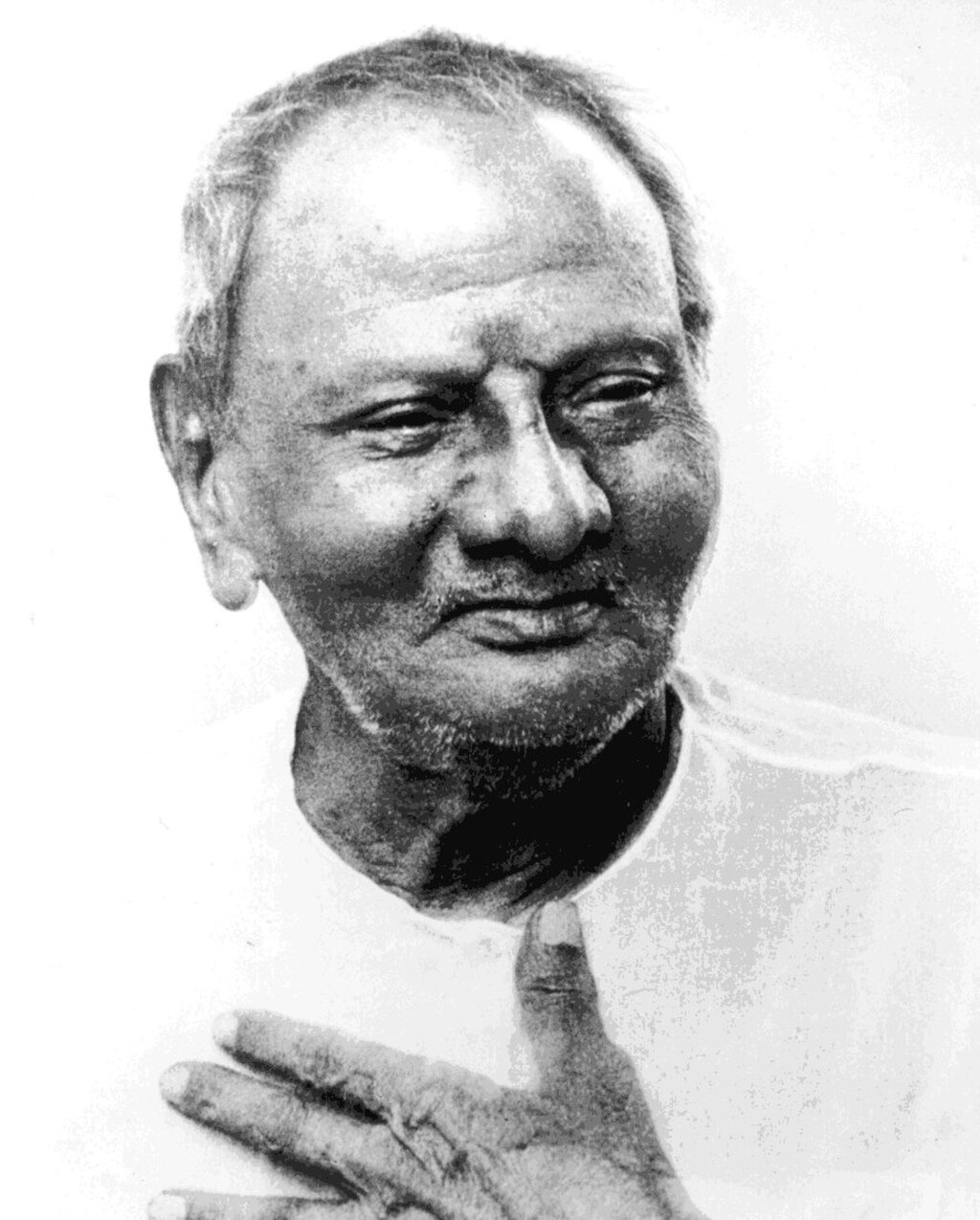
The Essence of Being: Remembering Our True Nature
Nisargadatta Maharaj's assertion that "All trouble comes from your having forgotten your real being" invites us to reflect on the profound disconnection many of us experience from our authentic selves. In this statement, he suggests that the root of our suffering lies not in external circumstances but in our own forgetfulness of who we truly are. This realization is crucial, as it opens the door to understanding the nature of our troubles and the path to liberation.
To deepen our exploration, we must consider the implications of this forgetfulness. It is not merely a lapse in memory but a fundamental disorientation from our essence, which leads us to identify with transient thoughts, emotions, and experiences. This misidentification creates a veil over our true nature, resulting in a life filled with conflict and confusion. Recognizing this disconnection is the first step toward reclaiming our authentic selves and alleviating the burdens we carry.
The image / the metaphor
The imagery in Maharaj's quote evokes a sense of loss and longing. The phrase "forgotten your real being" suggests a state of amnesia regarding our true nature, as if we have misplaced a precious treasure. The verb "forgotten" carries a weight of neglect, indicating that this is not an inherent flaw but rather a lapse in awareness. The felt sense of this statement resonates deeply, as it speaks to the universal human experience of searching for meaning and connection amidst the chaos of life.
In the speaker's tradition
Nisargadatta Maharaj's teachings are rooted in the non-dual tradition, which emphasizes the inherent unity of all existence. Concepts such as *dharma* (the path of righteousness) and *sunyata* (emptiness) play a significant role in understanding the implications of forgetting our true being. In this context, forgetting is not just a personal failing but a collective condition that obscures the interconnectedness of all life. The journey back to our real being is, therefore, a return to the understanding that we are not separate entities but expressions of a singular consciousness.
In his seminal work, *I Am That*, Maharaj often draws parallels between the individual self and the universal self, illustrating how our troubles arise from the illusion of separation. This echoes the teachings found in other non-dual texts, such as the *Upanishads*, which emphasize the importance of self-realization as a means to transcend suffering. The recognition of our true nature as *Brahman*, or ultimate reality, serves as a guiding principle for navigating the complexities of existence and alleviating the burdens of forgetfulness.
Living the teaching
Consider a modern scenario where this teaching resonates: a person feels overwhelmed by the demands of work, relationships, and societal expectations. In the midst of this chaos, they may find themselves reacting with frustration and anxiety, believing that their troubles stem from external pressures. However, by reflecting on Maharaj's words, they can begin to recognize that their distress arises from a disconnection from their true self, leading to a cycle of suffering that can be broken through self-inquiry and mindfulness.
In a different application, imagine a relationship fraught with misunderstandings and conflict. Each partner may feel hurt and resentful, forgetting the love and connection that initially brought them together. By embracing the teaching of remembering their real being, they can shift their focus from blame and defensiveness to compassion and understanding. This shift allows them to reconnect not only with each other but also with their own essence, fostering a deeper sense of intimacy and harmony.
A reflection
As we contemplate Nisargadatta Maharaj's profound insight, we are invited to ask ourselves: What aspects of my life reflect a disconnection from my true being? This question encourages us to explore the layers of forgetfulness that may cloud our perception and to seek the light of awareness that resides within. In this inquiry, we may find the path to healing and the rediscovery of our authentic selves, illuminating the way forward in our spiritual journey.




Join the BrightStar Community
Stay connected with daily inspiration, event announcements, and community wisdom