Beyond the Illusion of Time: Embracing Timelessness
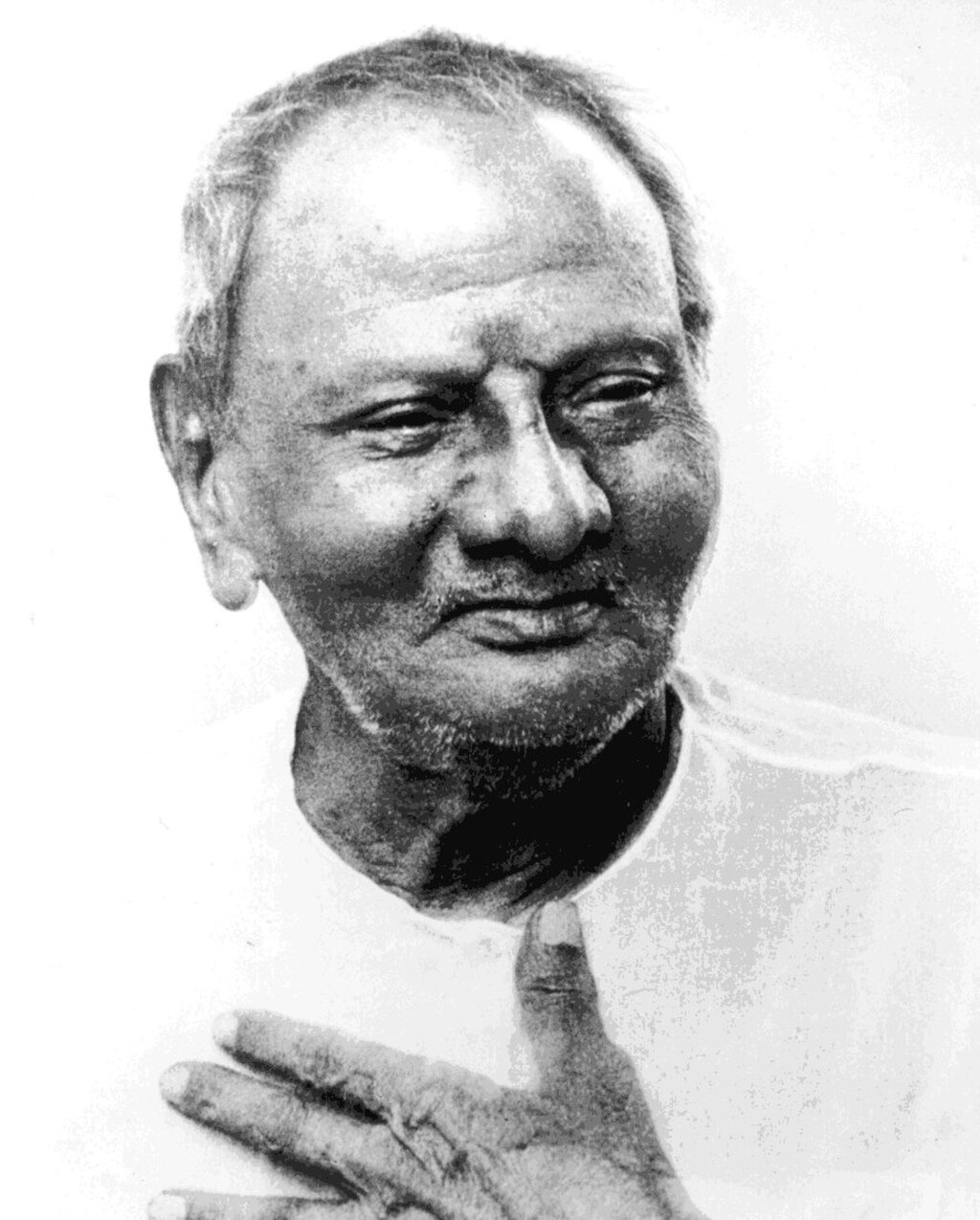
Nisargadatta Maharaj's assertion, "As long as you are convinced that what is happening to you is in time, you will suffer," invites us to reconsider our relationship with time and the suffering that often accompanies our attachment to it. This quote suggests that our perception of events as linear and temporally bound can lead to a profound sense of distress. By recognizing the illusory nature of time, we may find a pathway to liberation from suffering, allowing us to experience life in its fullness, unencumbered by the weight of past regrets or future anxieties.
In a world that constantly emphasizes the importance of time—whether through deadlines, schedules, or the relentless march of aging—Maharaj's words resonate deeply. They challenge us to question the very fabric of our existence and the narratives we construct around our experiences. The invitation here is not merely to dismiss time but to understand its role in shaping our perceptions and, ultimately, our suffering. By exploring the depths of this teaching, we can cultivate a more profound sense of presence and connection to the timeless essence of our being.
The image / the metaphor
The imagery in Maharaj's quote evokes a sense of entrapment within the confines of time. The phrase "what is happening to you" suggests a passive experience, where one feels like a victim of circumstances dictated by temporal flow. The verb "convince" implies a mental construct, a belief system that can be challenged and transformed. This interplay between belief and experience highlights how our perceptions shape our reality, often leading to unnecessary suffering.
Diving deeper into the metaphor, we can see that time is not merely a linear progression but a construct that can distort our understanding of existence. When we cling to the notion of time, we become entangled in a web of expectations, fears, and desires. The suffering that arises from this entanglement is not inherent to our experiences but is a byproduct of our attachment to the temporal narrative. By shifting our perspective to embrace the timeless aspect of our being, we can begin to unravel this web and experience life more fully.
In the speaker's tradition
Nisargadatta Maharaj's teachings are rooted in the non-dual tradition, which emphasizes the interconnectedness of all existence and the illusion of separateness. Concepts such as *sunyata* (emptiness) and *fana* (annihilation of the self) resonate deeply with the essence of his quote. In this context, suffering arises from the false identification with the ego and the belief in a separate self navigating through time. By recognizing the illusory nature of this separation, one can cultivate a sense of *bhakti* (devotion) and *prajna* (wisdom), leading to a more profound understanding of one's true nature.
A relevant text that echoes this sentiment is the *Upanishads*, which speak of the eternal self (Atman) that transcends the temporal world. The *Bhagavad Gita* also addresses the nature of time and the eternal soul, reminding us that while the body and mind are subject to the ravages of time, the essence of who we are remains untouched. This timeless self is the key to alleviating suffering, as it invites us to look beyond the transient and embrace the eternal.
Living the teaching
Consider a modern scenario where this teaching can be applied: a professional facing constant pressure to meet deadlines and achieve success. The relentless ticking of the clock can create a sense of urgency that leads to anxiety and burnout. By recognizing that this pressure is rooted in a belief in time, the individual can begin to shift their focus from the outcome to the process, allowing for a more mindful engagement with their work. This shift not only alleviates suffering but also enhances creativity and fulfillment.
In the realm of relationships, the teaching can manifest in moments of conflict or misunderstanding. When we perceive our interactions through the lens of time—holding onto past grievances or worrying about future outcomes—we often miss the opportunity for genuine connection. By embracing the present moment and recognizing the timeless essence of our relationships, we can cultivate deeper understanding and compassion, allowing love to flourish unencumbered by the burdens of time.
A reflection
As we contemplate Maharaj's profound insight, we are invited to reflect on our own relationship with time and suffering. What beliefs do we hold that tether us to a temporal narrative, and how do these beliefs shape our experiences? In moments of distress, can we pause and inquire into the nature of our suffering, recognizing it as a construct of our minds? This contemplation opens the door to a deeper understanding of our true nature, inviting us to explore the timeless essence that lies within.




Join the BrightStar Community
Stay connected with daily inspiration, event announcements, and community wisdom