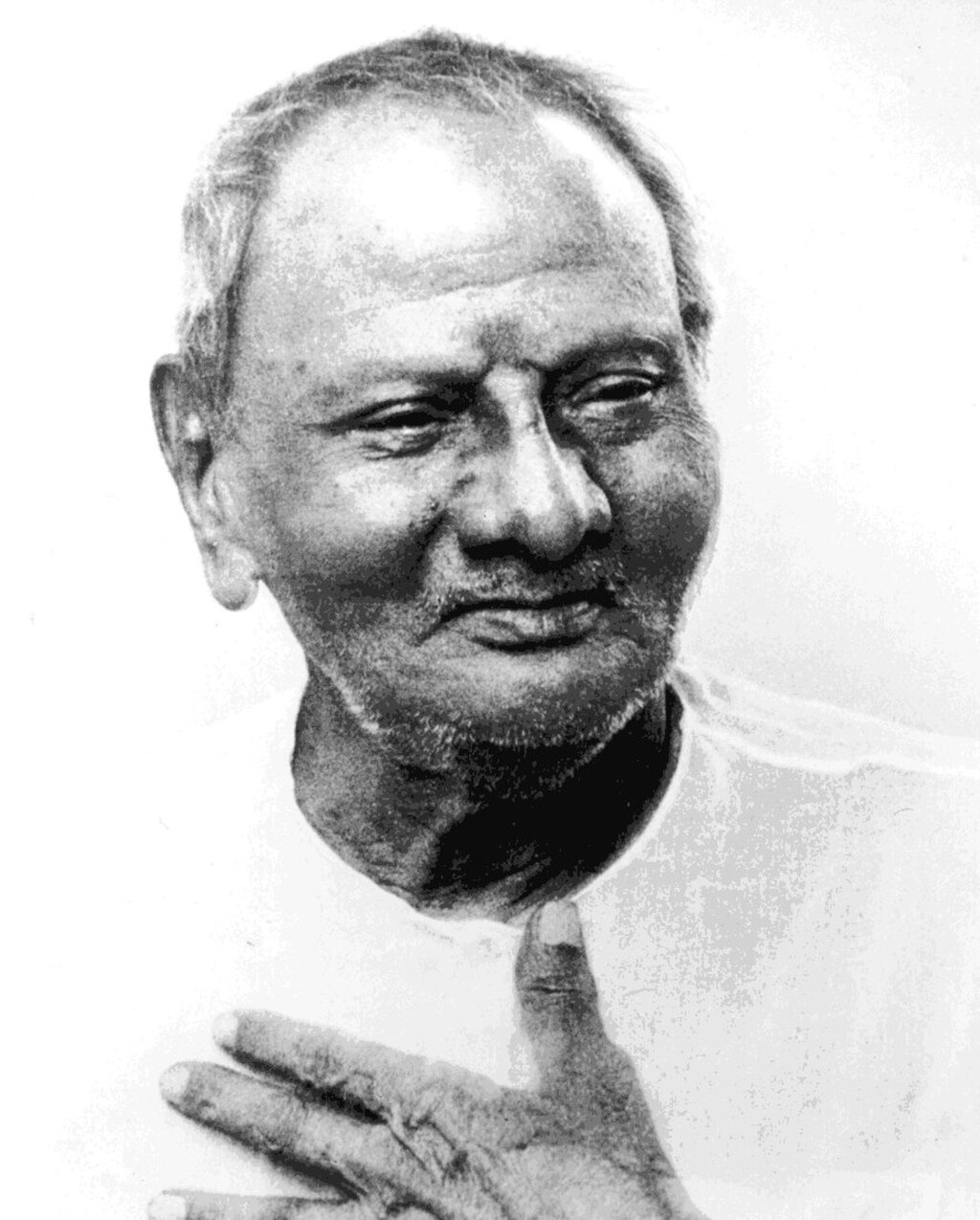
Unraveling the Self: The Path of Negation
Nisargadatta Maharaj's profound invitation to "find out what you are not" beckons us into the depths of self-inquiry, urging us to peel away the layers of identity that obscure our true essence. This exploration is not merely an intellectual exercise; it is a transformative journey that challenges our attachments to beliefs, roles, and societal expectations. By engaging in this inquiry, we confront the illusions that bind us, ultimately leading to a clearer understanding of our authentic selves.
At the heart of this teaching lies the recognition that much of what we consider our identity is constructed from external influences and transient experiences. In a world that often equates worth with achievement and status, the call to discover what we are not serves as a radical reminder to seek the deeper truth of our being. This process of negation is not about self-denial but rather about liberation—freeing ourselves from the confines of a limited self-concept to embrace a more expansive reality.
The image / the metaphor
The phrase "find out what you are not" evokes a sense of active exploration, as if we are archaeologists of the self, digging through layers of sediment to uncover the core of our existence. The verb "find" suggests a quest, an intentional movement toward discovery, while "not" introduces a paradoxical element that invites us to consider absence as a pathway to understanding. This negation is not simply about identifying falsehoods; it is about recognizing the impermanence of all that we cling to, allowing us to glimpse the eternal nature of our being.
Diving deeper into this metaphor, we can see that the act of negation is akin to a sculptor chiseling away excess stone to reveal a statue hidden within. Each strike of the chisel represents a letting go of preconceived notions and attachments, gradually unveiling the essence of who we truly are. This process can be uncomfortable, as it requires us to confront the very identities we have built our lives around, but it is through this discomfort that we can emerge into a more authentic existence.
In the speaker's tradition
Nisargadatta Maharaj's teachings are rooted in the non-dual tradition, which emphasizes the interconnectedness of all existence and the illusory nature of separateness. Concepts such as *sunyata* (emptiness) and *fana* (annihilation of the self) resonate deeply with the idea of discovering what we are not. In this context, the journey of self-inquiry becomes a sacred practice of dismantling the ego, allowing us to experience the underlying unity of all things, transcending the dualistic perceptions that often govern our lives.
A relevant text that echoes this sentiment is the *Ashtavakra Gita*, which speaks to the nature of reality and the self. In this ancient scripture, the dialogue between the seeker and the sage reveals that true liberation comes from recognizing the transient nature of the self and the world. Just as Maharaj encourages us to explore what we are not, the *Ashtavakra Gita* invites us to see beyond the illusions of the mind, guiding us toward a profound realization of our inherent wholeness.
Living the teaching
Consider a modern scenario where this teaching might resonate: a professional grappling with the pressures of success and societal expectations. In the relentless pursuit of career advancement, one may become entangled in the identity of "the achiever," leading to stress and disillusionment. By engaging in the inquiry of what they are not—recognizing that they are not merely their job title or accomplishments—they can begin to detach from this limiting identity, fostering a sense of peace and authenticity in their life.
This teaching can also be applied in the realm of relationships. Imagine a person who identifies strongly with being a "good partner," often sacrificing their own needs to maintain this image. By exploring what they are not—realizing they are not defined solely by their role in the relationship—they can cultivate healthier boundaries and a more genuine connection with their partner. This practice of negation opens the door to a more balanced and fulfilling relational dynamic, rooted in mutual respect and understanding.
A reflection
As we contemplate the invitation to "find out what you are not," we are called to engage in a deep and personal inquiry. What identities or beliefs have you adopted that may no longer serve your true self? In this moment of reflection, consider how the act of letting go could lead you toward a more authentic existence. What might you discover about your essence when you peel back the layers of conditioning and expectation?




Join the BrightStar Community
Stay connected with daily inspiration, event announcements, and community wisdom