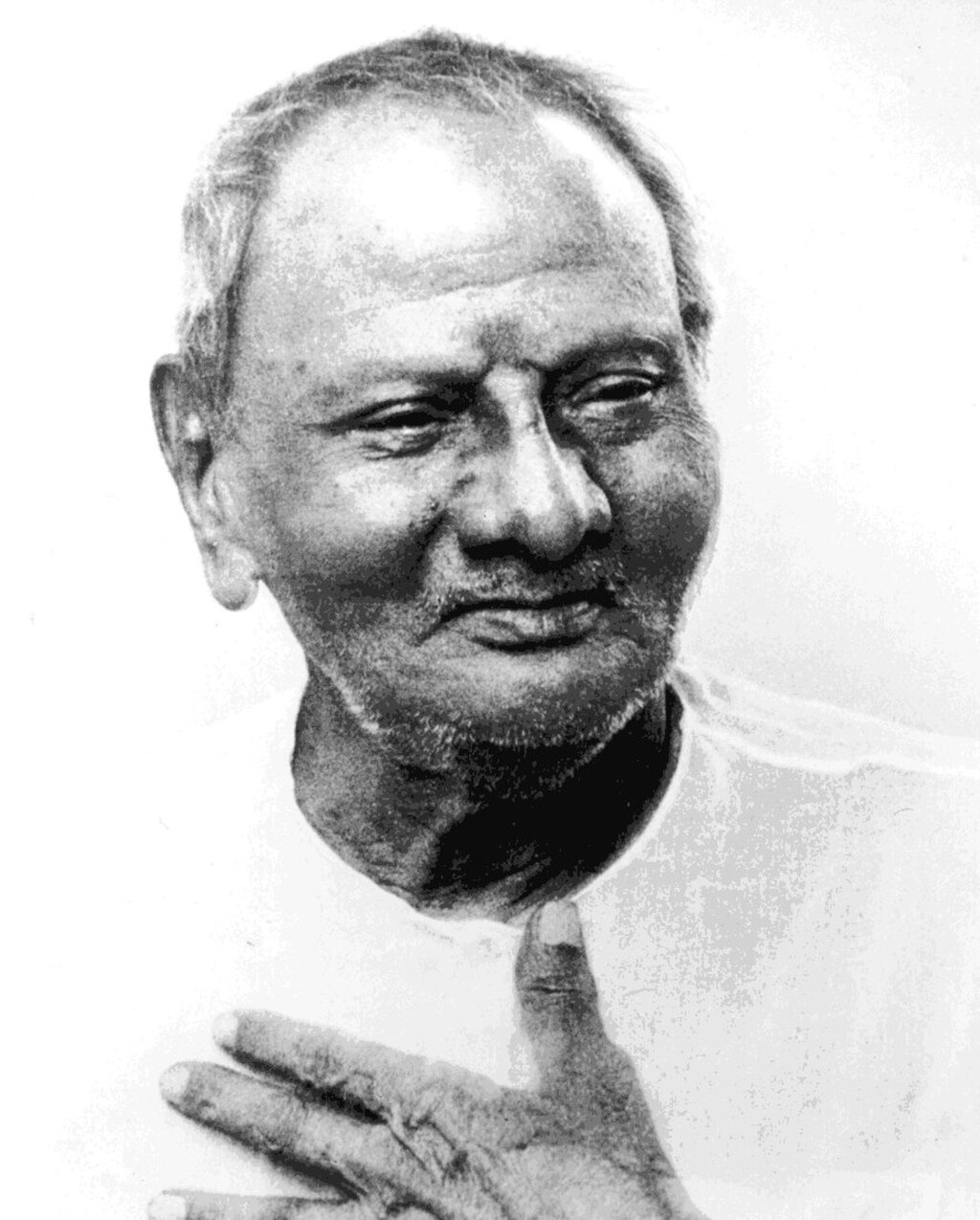
The Unerring Path of Wisdom
In the profound words of Nisargadatta Maharaj, "In wisdom, you do nothing wrong." This statement encapsulates a deep truth about the nature of wisdom and action. It suggests that when one acts from a place of genuine understanding and insight, the actions taken are inherently aligned with the greater flow of life. This matters immensely in a world often fraught with confusion and moral ambiguity, where the distinction between right and wrong can feel blurred. Maharaj invites us to explore a state of being where our actions are not merely reactions but are infused with the clarity that wisdom provides.
To delve deeper, we must consider what it means to act from wisdom. This is not a superficial understanding but a profound realization of our interconnectedness and the essence of existence. Wisdom, in this context, transcends intellectual knowledge; it is an experiential understanding that arises from a deep engagement with life itself. Maharaj's assertion encourages us to cultivate this wisdom, suggesting that when we do so, our actions naturally align with truth and compassion, leading us toward a life devoid of regret and missteps.
The image / the metaphor
The phrase "do nothing wrong" evokes a sense of ease and assurance. It conjures an image of a river flowing effortlessly, navigating around obstacles without force or struggle. The verbs "do" and "wrong" imply action and consequence, yet in the realm of wisdom, these concepts dissolve into a harmonious existence. The felt sense here is one of liberation; when we are rooted in wisdom, our actions are not laden with guilt or fear, but rather emerge from a place of clarity and purpose.
In the speaker's tradition
Nisargadatta Maharaj's teachings are rooted in the non-dual tradition, which emphasizes the unity of all existence. Concepts such as dharma, or the natural order of things, and prajna, the wisdom that arises from direct experience, are central to understanding his perspective. In this framework, wisdom is not merely a cognitive function but a realization of our true nature, which is beyond dualistic distinctions. The idea of kenosis, or self-emptying, resonates here, as it invites us to let go of preconceived notions and allow wisdom to guide our actions.
In his seminal work, "I Am That," Maharaj articulates the essence of non-duality, where the self is recognized as an illusion, and true wisdom emerges from the understanding of our interconnectedness. This aligns with the Buddhist concept of sunyata, or emptiness, which teaches that all phenomena are interdependent and devoid of inherent existence. Such insights encourage us to act not from a place of ego but from a profound awareness of the oneness of all life.
Living the teaching
Consider a modern scenario where this teaching can be applied: imagine a workplace conflict where tensions run high, and decisions are clouded by personal agendas. In such a situation, acting from wisdom means stepping back to observe the dynamics at play, seeking to understand rather than react impulsively. By cultivating a space of awareness, one can navigate the conflict with clarity, leading to resolutions that honor the needs of all parties involved. Here, the wisdom of non-attachment and compassion can transform a potentially destructive situation into an opportunity for growth and collaboration.
Another application of this teaching might arise in personal relationships, particularly during moments of disagreement. When faced with a challenging conversation, the instinct may be to defend one's position or to react emotionally. However, if one approaches the dialogue with the understanding that wisdom guides action, it becomes possible to listen deeply and respond thoughtfully. This shift not only fosters connection but also creates an environment where both individuals feel heard and valued, illustrating how wisdom can lead to harmonious interactions.
A reflection
As we contemplate Maharaj's assertion, we are invited to reflect on our own lives: How often do we act from a place of wisdom, and how can we cultivate this state more fully? This question encourages us to explore the moments when we feel aligned with our true selves and the actions that arise from that alignment. In doing so, we may discover pathways to live more authentically, allowing wisdom to guide us in every aspect of our existence.




Join the BrightStar Community
Stay connected with daily inspiration, event announcements, and community wisdom