The Wisdom of Negation: Discovering the Self Through What It Is Not
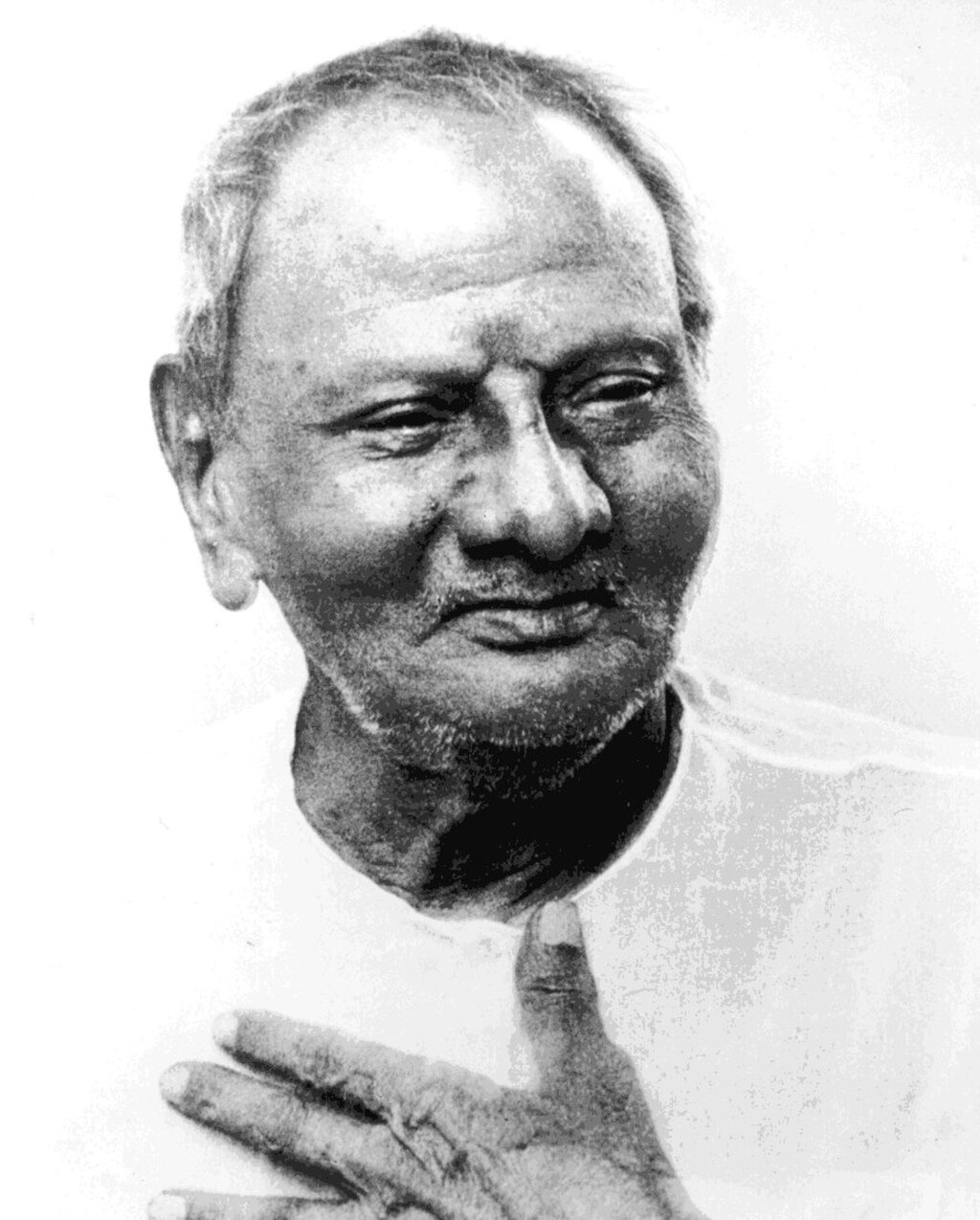
Nisargadatta Maharaj's profound assertion, "Knowing what you are not is more important than knowing what you are," invites us to explore the depths of self-inquiry and the nature of existence. This statement emphasizes the significance of negation in understanding our true essence, suggesting that the path to self-realization is often paved with the dismantling of false identifications. In a world where identity is frequently tied to external roles, possessions, and beliefs, this teaching challenges us to look beyond the surface and confront the illusions that obscure our authentic selves.
At its core, this quote speaks to the heart of non-dual philosophy, where the distinction between self and other dissolves. By recognizing what we are not, we begin to peel away the layers of conditioning and societal expectations that shape our identities. This process of negation is not merely an intellectual exercise; it is a transformative journey that leads us to a more profound understanding of our being. In a society that often prioritizes self-definition, Maharaj's words serve as a gentle reminder that true knowledge arises from the relinquishment of the ego and the acceptance of our inherent interconnectedness.
The image / the metaphor
The imagery embedded in Maharaj's quote evokes a sense of peeling back the layers of an onion, where each layer represents a false identity or belief. The act of knowing what we are not requires a deliberate engagement with our thoughts, emotions, and experiences, allowing us to discern the transient from the eternal. The verbs chosen—"knowing" and "is"—suggest an active participation in this inquiry, emphasizing that self-discovery is not a passive endeavor but a dynamic exploration of consciousness.
Diving deeper into the metaphor, we can envision the self as a vast ocean, with waves representing our thoughts and identities. While the waves may rise and fall, they do not define the ocean itself. In this sense, knowing what we are not—these transient waves—allows us to connect with the stillness and depth of the ocean, which symbolizes our true nature. This metaphor illustrates that our essence is not found in the fluctuations of identity but in the unchanging awareness that observes them.
In the speaker's tradition
Nisargadatta Maharaj's teachings are rooted in the non-dual tradition, which emphasizes the unity of all existence and the illusory nature of separateness. Concepts such as *sunyata* (emptiness) and *fana* (annihilation of the self) resonate deeply with the idea of negation. In this context, knowing what we are not aligns with the practice of *kenosis*, or self-emptying, where one relinquishes attachments to the ego and embraces the boundless nature of consciousness. This journey of self-inquiry is not merely philosophical; it is a lived experience that transforms our perception of reality.
A relevant text that echoes this sentiment is the *Upanishads*, which articulate the idea that the ultimate truth transcends all conceptualizations of the self. In the *Chandogya Upanishad*, the phrase "Tat Tvam Asi" (That Thou Art) invites seekers to recognize their unity with the divine essence. This realization often begins with the negation of false identities, leading to a profound understanding of one's true nature as part of the universal whole. Maharaj's teaching serves as a contemporary echo of these ancient insights, guiding us toward the same realization of oneness.
Living the teaching
Consider a modern scenario where an individual grapples with their professional identity. Many people define themselves by their job titles, achievements, or social status, leading to a sense of inadequacy when faced with challenges or failures. By applying Maharaj's teaching, this person can begin to explore what they are not—recognizing that their worth is not tied to their career or external validation. This process of inquiry can lead to a more profound understanding of self, allowing them to embrace their inherent value beyond societal labels.
A reflection
As we contemplate Nisargadatta Maharaj's profound insight, we are invited to reflect on our own identities and the layers that obscure our true essence. What beliefs or attachments do we hold that may not reflect our authentic selves? In this moment of inquiry, consider: How might your life change if you focused more on knowing what you are not, rather than what you are? This question invites us to embark on a journey of self-discovery, encouraging us to embrace the freedom that comes from relinquishing false identifications.




Join the BrightStar Community
Stay connected with daily inspiration, event announcements, and community wisdom