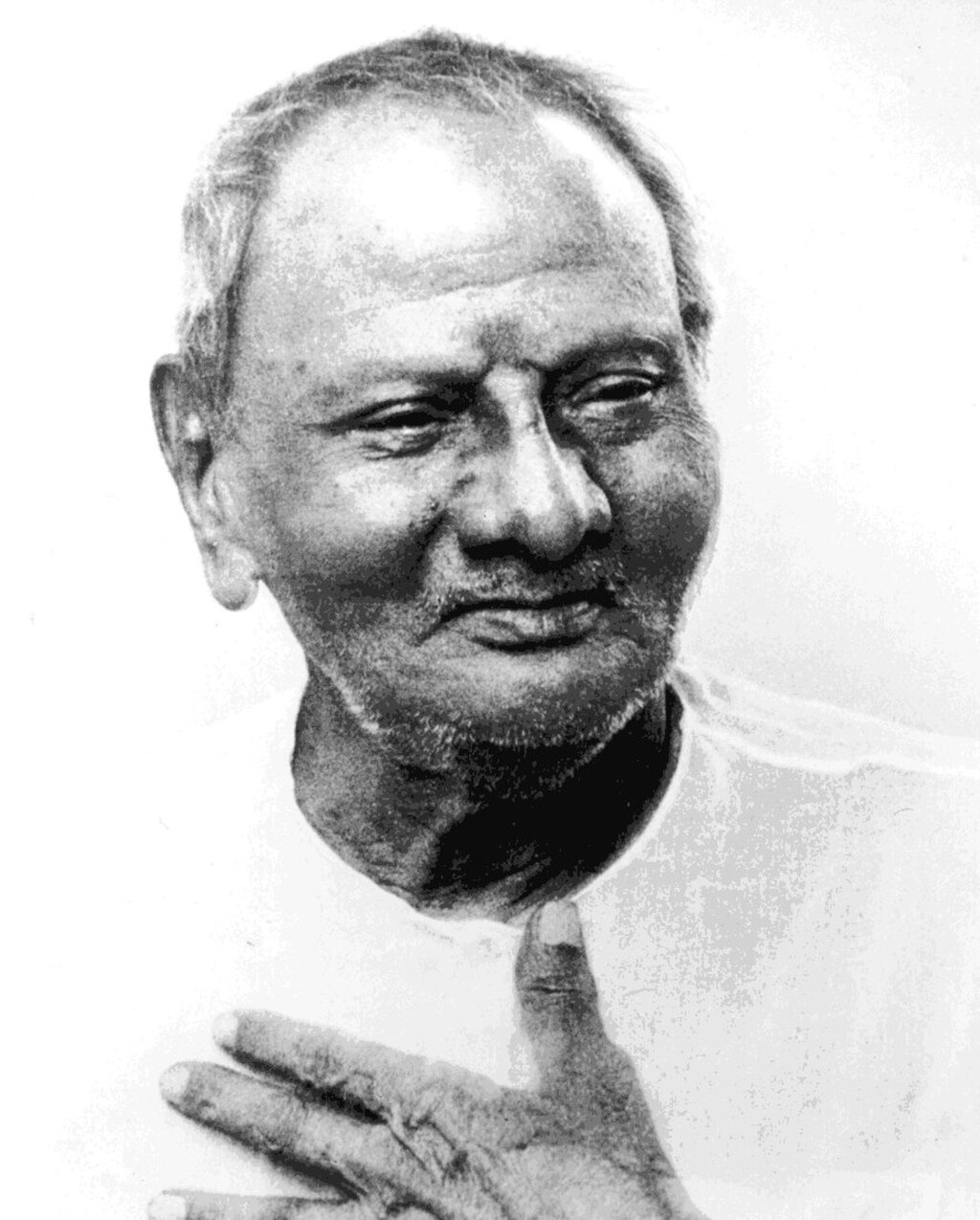
Seeing Ourselves Through the Lens of Compassion
Nisargadatta Maharaj invites us to "look at yourself with the eyes of a friend," a profound call to cultivate self-compassion and kindness. In a world often marked by self-criticism and harsh judgments, this quote serves as a gentle reminder of the importance of treating ourselves with the same warmth and understanding we readily extend to others. The stakes are high; our relationship with ourselves shapes our experiences, influences our interactions, and ultimately defines our sense of peace and fulfillment.
To see ourselves through the eyes of a friend is to engage in a transformative practice that can shift our internal narrative from one of judgment to one of acceptance. This perspective encourages us to embrace our imperfections and vulnerabilities, recognizing them as integral parts of our human experience. By fostering a friendship with ourselves, we create a nurturing space where growth can flourish, and healing can take place, allowing us to navigate life with greater ease and authenticity.
The image / the metaphor
The imagery in Maharaj's quote evokes a sense of warmth and familiarity, suggesting a deep connection that transcends mere observation. The phrase "look at yourself" implies an active engagement, a conscious choice to turn one's gaze inward with curiosity rather than criticism. The "eyes of a friend" conjure feelings of trust, support, and unconditional acceptance, inviting us to approach our inner landscape with gentleness and care.
Diving deeper into this metaphor, we can see that the act of looking through a friend's eyes implies a shift in perspective. It encourages us to step outside our habitual patterns of self-judgment and to adopt a more compassionate viewpoint. This reframing allows us to recognize our inherent worth, fostering a sense of belonging within ourselves that can be profoundly liberating. In this light, self-friendship becomes a practice of seeing ourselves not as flawed beings but as worthy of love and understanding.
In the speaker's tradition
Nisargadatta Maharaj's teachings are rooted in the non-dual tradition, which emphasizes the interconnectedness of all beings and the illusion of separation. Concepts such as *sunyata* (emptiness) and *fana* (annihilation of the self) resonate with the idea of self-friendship, as they invite us to dissolve the rigid boundaries we often impose upon ourselves. By recognizing the transient nature of our thoughts and emotions, we can cultivate a sense of spaciousness that allows for self-acceptance and compassion.
A relevant text that echoes this sentiment is the *Ashtavakra Gita*, which teaches that true liberation arises from recognizing our essential nature beyond the ego. Just as the *Ashtavakra Gita* encourages us to see ourselves as the witness of our experiences rather than the experiences themselves, Maharaj's quote invites us to adopt a perspective of loving awareness. This shift in perception can lead to profound insights and a deeper understanding of our true selves.
Living the teaching
Consider a modern scenario where this teaching can be applied: imagine a moment of failure at work, where self-doubt and criticism threaten to overwhelm you. Instead of succumbing to the inner critic, you pause and consciously choose to view the situation through the eyes of a friend. You might remind yourself that everyone makes mistakes and that this experience is an opportunity for growth. By reframing your self-talk in this way, you create a more supportive internal dialogue that fosters resilience and self-acceptance.
Another application of this teaching can be found in relationships, particularly during conflicts. When tensions arise, it can be easy to fall into patterns of blame and defensiveness. However, if you approach the situation with the eyes of a friend, you might find yourself more inclined to listen and empathize, both with your partner and with yourself. This practice of self-friendship allows for greater understanding and compassion, paving the way for deeper connections and healing within the relationship.
A reflection
As we contemplate the wisdom of Nisargadatta Maharaj's quote, we are invited to explore the nature of our self-perception. How might your life change if you were to consistently look at yourself with the eyes of a friend? This question encourages us to reflect on the ways we can cultivate self-compassion and kindness, ultimately leading to a more harmonious relationship with ourselves and the world around us.




Join the BrightStar Community
Stay connected with daily inspiration, event announcements, and community wisdom