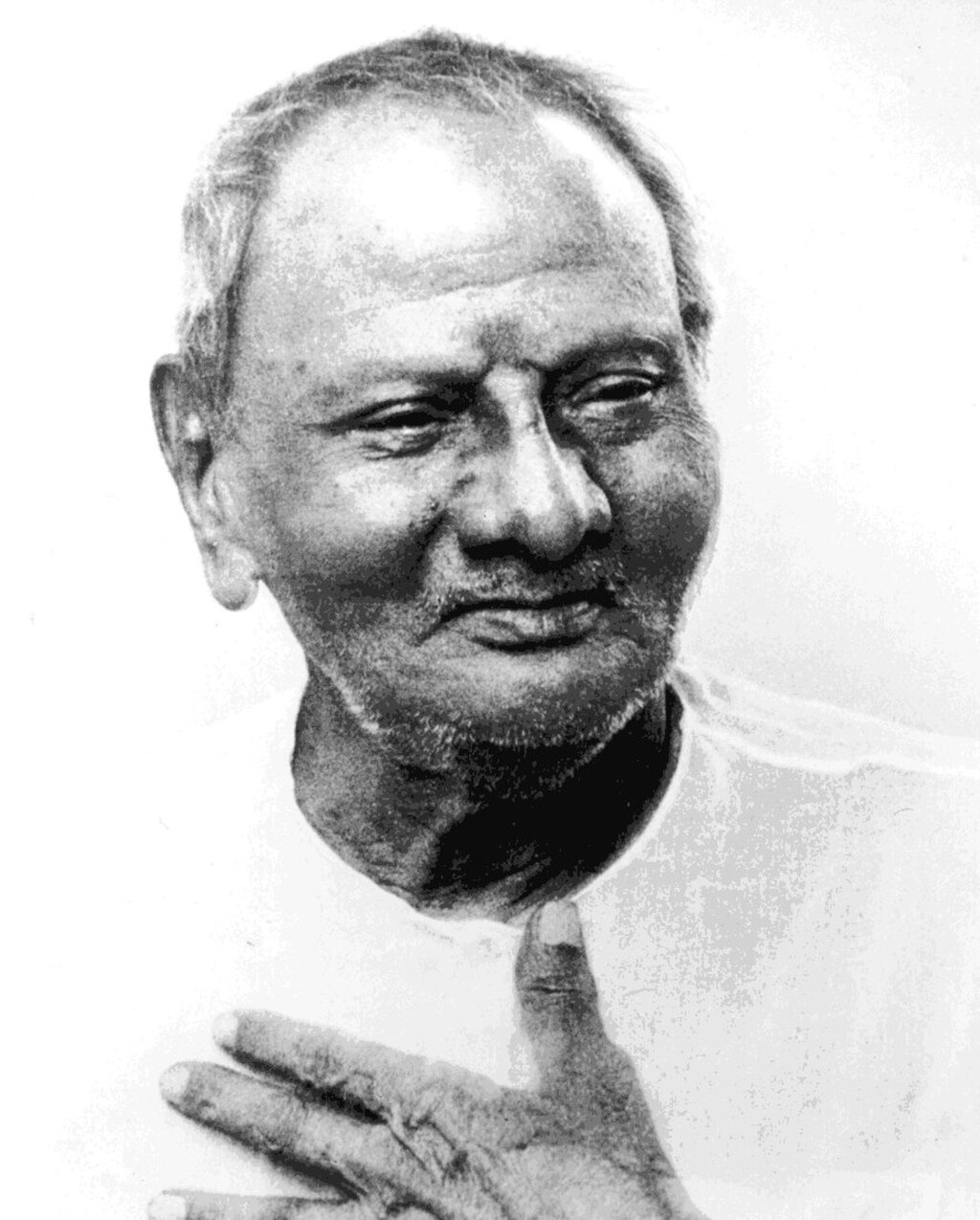
The Embrace of Unity: Understanding Love as the Absence of Separation
Nisargadatta Maharaj's profound assertion, "Love is the absence of separation," invites us to reconsider our understanding of love and connection. In a world often marked by division and isolation, this statement serves as a reminder that true love transcends the boundaries we create between ourselves and others. It challenges us to explore the depths of our relationships, urging us to recognize that love flourishes in the soil of unity rather than in the arid landscape of separation. This exploration is not merely philosophical; it holds the potential to transform our lived experience and deepen our connections with ourselves and the world around us.
Delving deeper into this quote, we find that it speaks to the essence of our existence and the nature of our relationships. Separation, whether physical, emotional, or psychological, often breeds fear, misunderstanding, and conflict. In contrast, love, as Maharaj suggests, emerges when we dissolve these barriers and embrace a sense of oneness. This perspective invites us to reflect on our interactions and the ways we might inadvertently perpetuate feelings of division. By recognizing love as a state of being that exists in the absence of separation, we are encouraged to cultivate a more profound awareness of our interconnectedness and the inherent unity that binds us all.
The image / the metaphor
The imagery within Maharaj's quote evokes a sense of spaciousness and openness, where love is not a possession or an emotion confined to particular relationships but rather a vast, encompassing presence. The phrase "absence of separation" suggests a state of being where barriers dissolve, allowing for a flow of connection that is both liberating and transformative. This absence is not a void; instead, it is filled with the richness of shared experience and mutual understanding. The verbs chosen—'absence' and 'is'—imply a state of existence rather than an action, emphasizing that love is a fundamental aspect of our being when we let go of the illusions of separation.
Going deeper into the metaphor, we can envision love as a river that flows freely when there are no dams or obstacles in its path. In this sense, separation acts as a dam, restricting the natural flow of love and connection. When we remove these barriers, we allow love to cascade into our lives, nourishing our relationships and fostering a sense of belonging. This metaphor encourages us to examine the ways we might construct barriers—through fear, judgment, or misunderstanding—and to actively work towards dismantling them. The invitation is clear: to experience love fully, we must embrace the interconnectedness of all beings and recognize that separation is an illusion we can transcend.
In the speaker's tradition
Nisargadatta Maharaj's teachings are rooted in the non-dual tradition, which emphasizes the fundamental unity of all existence. Concepts such as *advaita* (non-duality) and *sunyata* (emptiness) resonate deeply with the idea that separation is an illusion. In this context, love is not merely an emotional response but a recognition of our shared essence. The practice of *bhakti*, or devotion, further illustrates this point, as it encourages us to cultivate love and connection with the divine, which is ultimately inseparable from ourselves and others. Maharaj’s assertion invites us to explore how our understanding of love can be expanded through the lens of non-duality, where the self and the other are seen as reflections of the same underlying reality.
In his seminal work, *I Am That*, Maharaj articulates the idea that the self is not separate from the universe but is, in fact, an integral part of it. This perspective aligns with the teachings found in other non-dual texts, such as those by Ramana Maharshi, who emphasizes self-inquiry as a means to dissolve the illusion of separation. By recognizing that our true nature is one of unity, we can begin to experience love not as a fleeting emotion but as a constant state of being that permeates our existence. This understanding invites us to engage with the world from a place of wholeness rather than fragmentation.
Living the teaching
Consider a modern scenario where this teaching might resonate: a workplace filled with competition and rivalry. In such an environment, individuals often feel isolated, driven by the need to outperform one another. However, if we approach our colleagues with the understanding that love is the absence of separation, we can foster a culture of collaboration and support. By recognizing that our success is intertwined with the success of others, we can shift our focus from competition to cooperation, creating a more harmonious workplace where love and connection thrive.
Another application of this teaching can be found within personal relationships, particularly during moments of conflict. When disagreements arise, it is easy to feel separate from the other person, leading to defensiveness and disconnection. However, by embracing the idea that love exists in the absence of separation, we can approach these conflicts with empathy and understanding. This perspective encourages us to listen deeply and seek common ground, allowing love to bridge the gaps that division creates. In doing so, we not only heal our relationships but also cultivate a deeper sense of connection with ourselves and the world around us.
A reflection
As we contemplate the profound wisdom of Nisargadatta Maharaj's quote, we are invited to reflect on our own lives and the ways we experience separation. What barriers do we create that inhibit our ability to love fully? In what areas of our lives can we practice dissolving these barriers to foster deeper connections? By engaging with these questions, we can begin to embody the teaching that love flourishes in the absence of separation, transforming our relationships and enriching our experience of life.




Join the BrightStar Community
Stay connected with daily inspiration, event announcements, and community wisdom