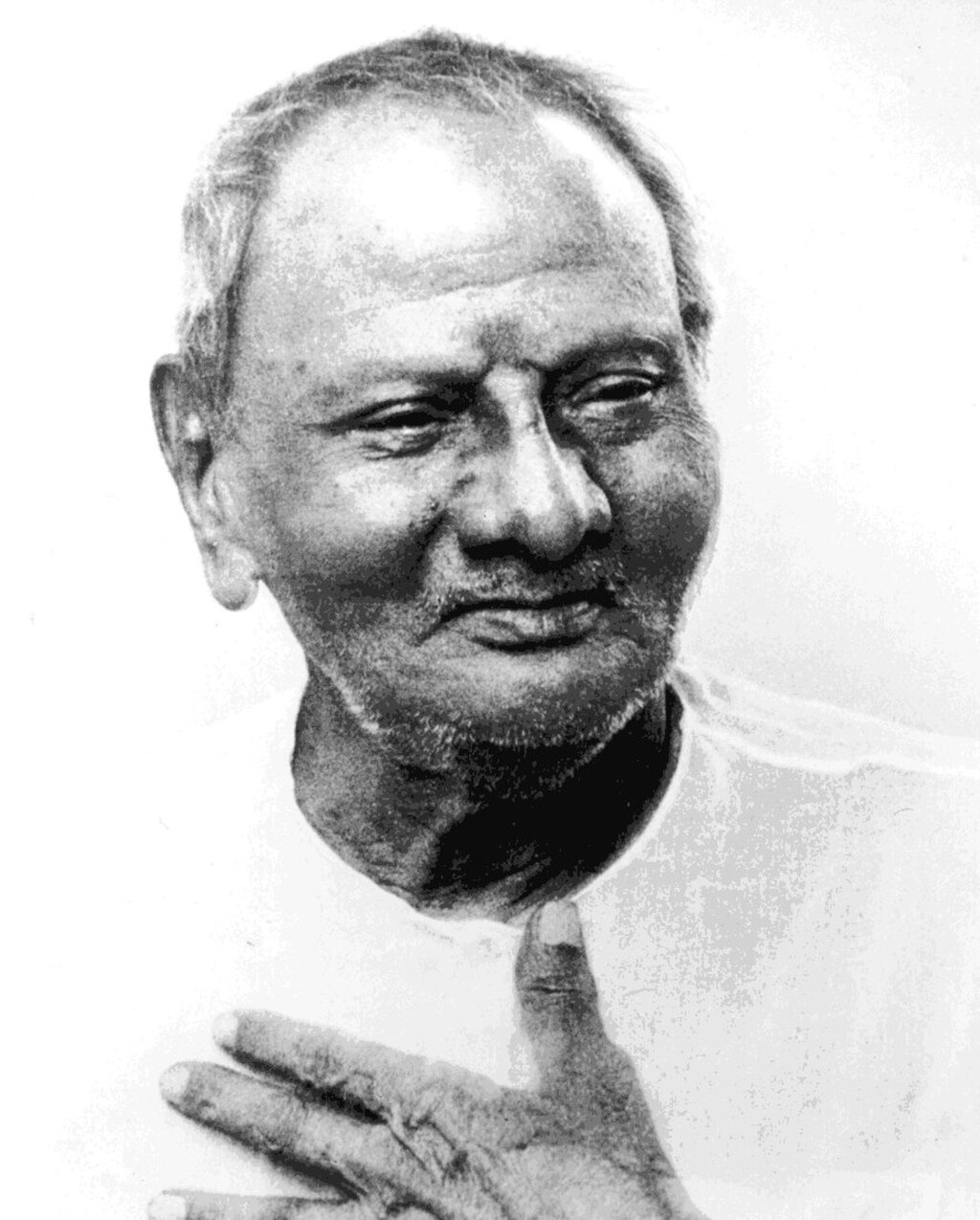
Beyond the Grasp of Thought: Embracing the Unknowable
Nisargadatta Maharaj's assertion that "mind cannot grasp what is beyond mind" invites us to confront the limitations of our cognitive faculties. In a world where we often equate understanding with knowledge, this quote serves as a profound reminder that there exists a realm of experience and awareness that transcends intellectual comprehension. The stakes are high; to remain ensnared in the confines of thought is to miss the expansive reality that lies beyond our mental constructs.
This teaching challenges us to reconsider our relationship with the mind itself. It beckons us to explore the possibility that true wisdom and insight may not be found within the parameters of rational thought but rather in the silent spaces that exist beyond it. By recognizing the limitations of the mind, we open ourselves to a deeper, more expansive understanding of existence, one that is rooted in direct experience rather than mere intellectualization.
The image / the metaphor
The imagery in Maharaj's quote evokes a sense of limitation inherent in the human experience. The mind, with its incessant chatter and analytical tendencies, is portrayed as a vessel that can only navigate the waters of the known. The verb "grasp" suggests an active attempt to hold onto or control knowledge, yet the phrase "beyond mind" implies a vast expanse that remains elusive, a realm that cannot be captured or contained by thought alone. This creates a felt sense of tension between our desire to understand and the reality that some truths are simply beyond our cognitive reach.
In the speaker's tradition
Nisargadatta Maharaj's teachings are deeply rooted in the non-dual tradition, which emphasizes the unity of all existence and the illusory nature of the separate self. Concepts such as "sunyata" (emptiness) and "prajna" (wisdom) resonate with the essence of his message. In this context, the mind is seen as a tool that can either illuminate or obscure the truth, depending on how it is wielded. The practice of kenosis, or self-emptying, aligns closely with Maharaj's assertion, as it invites us to relinquish our attachment to thought and open ourselves to the vastness of being.
In his seminal work, "I Am That," Maharaj articulates the idea that the ultimate reality is beyond conceptualization. He encourages seekers to turn their attention inward, to explore the nature of consciousness itself rather than becoming entangled in the web of thoughts and beliefs. This aligns with the teachings of other non-dual philosophers, such as Ramana Maharshi, who emphasized the importance of self-inquiry as a means to transcend the limitations of the mind.
Living the teaching
Consider a modern scenario where this teaching might resonate: a person grappling with anxiety about the future. In their attempts to plan and control every aspect of their life, they may find themselves overwhelmed by the uncertainty that lies ahead. By recognizing that "mind cannot grasp what is beyond mind," they can begin to release their need for certainty and embrace the present moment. This shift in perspective allows them to experience life more fully, without the constant burden of mental projections that often lead to suffering.
In the context of relationships, this teaching can also be transformative. Imagine a couple facing a conflict where each partner is entrenched in their own perspective, unable to see beyond their thoughts and feelings. By acknowledging that their minds are limited in understanding the entirety of the situation, they can cultivate a space for empathy and openness. This recognition allows them to move beyond the confines of their individual narratives and engage in a deeper, more meaningful dialogue that honors the complexity of their shared experience.
A reflection
As we contemplate Nisargadatta Maharaj's profound insight, we are invited to explore the nature of our own understanding. What aspects of your life are you trying to grasp with the mind, yet feel remain just out of reach? In what ways might embracing the unknown lead to a deeper sense of peace and connection with the world around you? Allow these questions to guide your reflection, opening the door to the vastness that lies beyond the confines of thought.




Join the BrightStar Community
Stay connected with daily inspiration, event announcements, and community wisdom