The Freedom of Non-Attachment: Embracing Life's Gifts
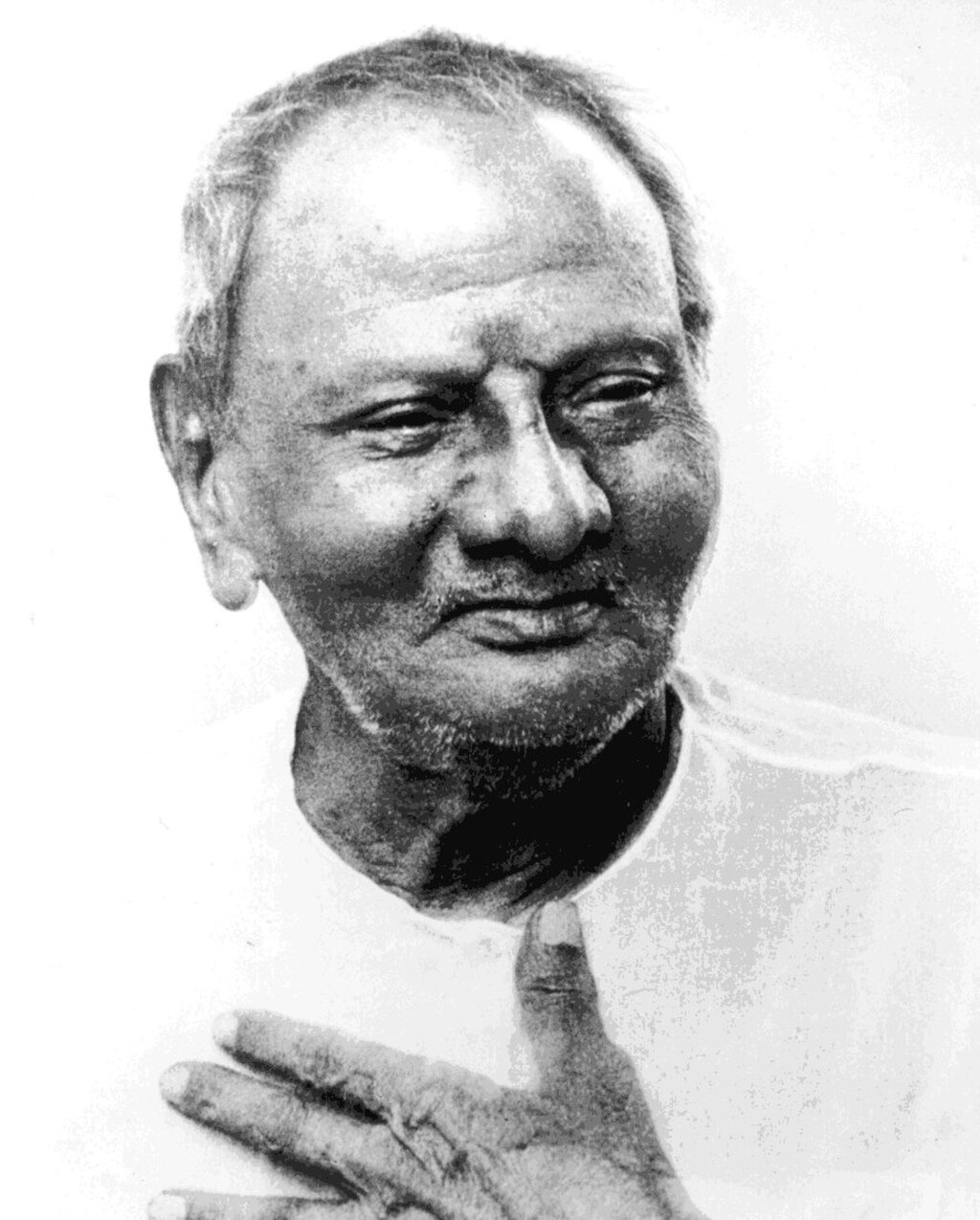
Nisargadatta Maharaj's profound statement, "When nothing is owned, everything is appreciated," invites us to reconsider our relationship with possessions and the nature of gratitude. In a world often defined by material accumulation and ownership, this quote challenges us to explore the deeper essence of appreciation that arises when we let go of attachment. The stakes are high; in our relentless pursuit of ownership, we may overlook the beauty and richness of life that exists in the present moment, unencumbered by the weight of possessions.
This teaching resonates deeply within the framework of non-duality, where the illusion of separation between self and other is dissolved. Maharaj's insight encourages us to cultivate a mindset of openness and receptivity, allowing us to experience life in its fullness. By relinquishing our grip on ownership, we create space for gratitude to flourish, transforming our perception of what it means to truly appreciate the world around us. This shift not only enhances our personal well-being but also fosters a sense of interconnectedness with all beings.
The image / the metaphor
The imagery in Maharaj's quote evokes a sense of liberation and expansiveness. The verbs "owned" and "appreciated" highlight a stark contrast between the constricting nature of possession and the expansive quality of gratitude. When we cling to ownership, we create boundaries that limit our experience; conversely, when we let go, we open ourselves to the richness of life. This felt sense of freedom is akin to shedding a heavy cloak, allowing the light of appreciation to illuminate our surroundings.
Diving deeper into the metaphor, we can see that ownership is not merely about physical possessions but also encompasses emotional and psychological attachments. The act of owning can lead to a false sense of security, tethering us to the past or future, while appreciation invites us to dwell in the present. In this way, Maharaj's teaching serves as a reminder that true wealth lies not in what we possess, but in our ability to recognize and cherish the beauty that exists in each moment.
In the speaker's tradition
Nisargadatta Maharaj's teachings are rooted in the non-dual tradition of Advaita Vedanta, which emphasizes the oneness of existence and the illusion of separateness. Concepts such as dharma, the natural order of the universe, and sunyata, the emptiness that allows for all things to arise, resonate with the essence of his quote. In this framework, letting go of ownership aligns with the practice of kenosis, or self-emptying, which opens the heart to the fullness of life and the interconnectedness of all beings.
A relevant text that echoes this sentiment is the Heart Sutra, which teaches that form is emptiness and emptiness is form. This profound realization encourages us to see beyond the superficial layers of existence, recognizing that our attachments to material possessions are ultimately illusory. By embracing the emptiness of ownership, we can cultivate a deeper sense of gratitude for the impermanent and ever-changing nature of life, allowing us to appreciate each moment as it unfolds.
Living the teaching
Consider a modern scenario where this teaching can be applied: imagine a person who is constantly striving for the latest technology, believing that ownership will bring happiness and fulfillment. This individual may find themselves caught in a cycle of desire, always seeking the next acquisition while overlooking the simple joys of life that are already present. By embracing Maharaj's teaching, they might begin to shift their focus from what they own to what they can appreciate in their daily experiences, such as the warmth of a friend's smile or the beauty of a sunset.
This teaching can also be transformative in relationships. When we let go of the need to possess or control others, we create space for genuine connection and appreciation. In moments of conflict or misunderstanding, practicing non-attachment allows us to approach the situation with an open heart, fostering empathy and understanding. By appreciating our loved ones for who they are, rather than what we want them to be, we cultivate deeper, more meaningful relationships that thrive on gratitude and acceptance.
A reflection
As we contemplate the essence of Maharaj's quote, we are invited to reflect on our own lives: What attachments are we holding onto that may be preventing us from fully appreciating the present moment? In what ways can we practice letting go, allowing ourselves to experience the richness of life without the burden of ownership? This contemplation opens the door to a deeper understanding of gratitude, inviting us to embrace the beauty of existence in its purest form.




Join the BrightStar Community
Stay connected with daily inspiration, event announcements, and community wisdom