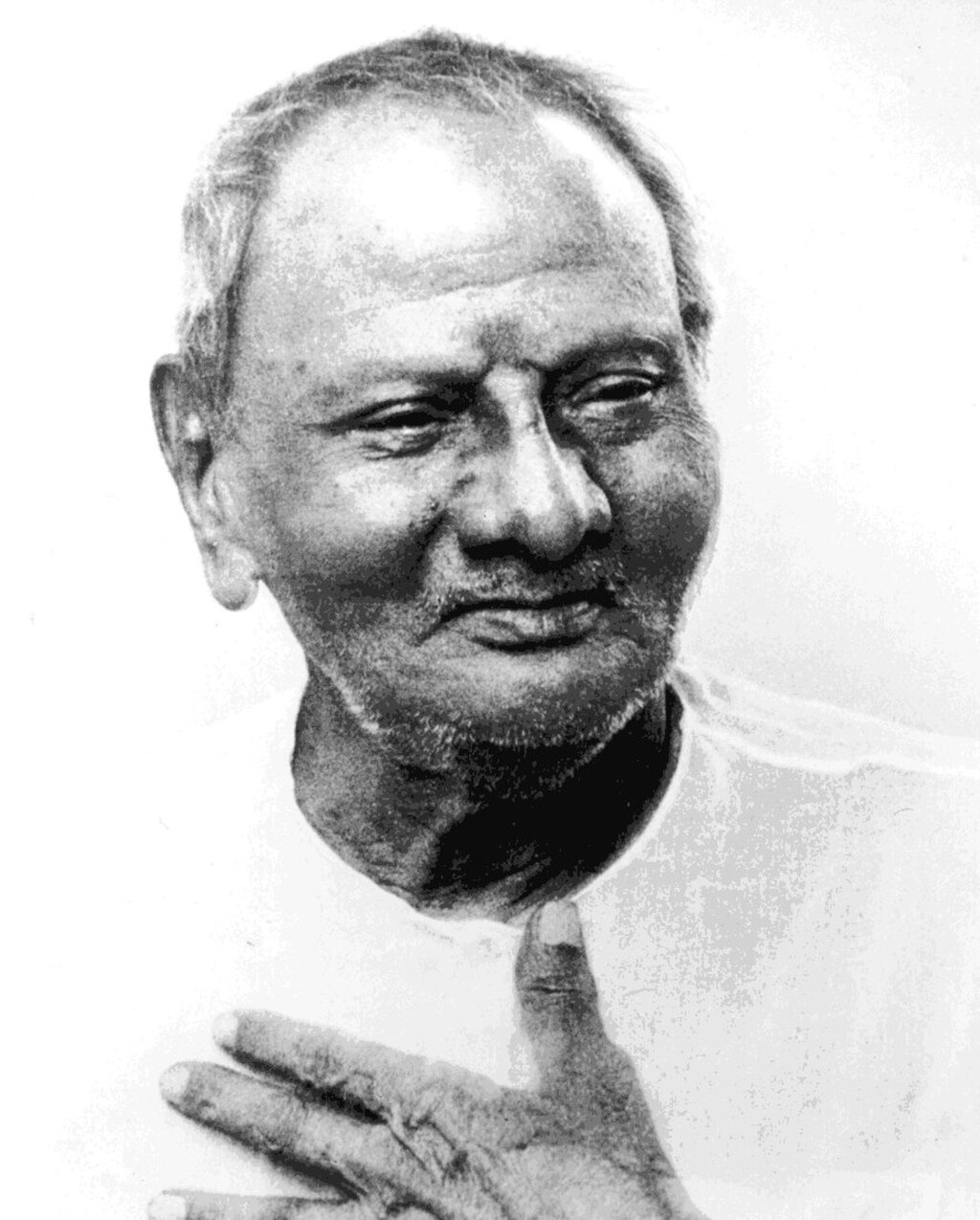
The Elusiveness of Reality: A Contemplation on Experience
Nisargadatta Maharaj's assertion that "Reality is, and yet it cannot be experienced as a thing" invites us to ponder the nature of existence itself. This statement challenges our conventional understanding of reality as something tangible and perceivable. It beckons us to explore the depths of our consciousness and the limitations of our sensory experiences. In a world where we often equate reality with physicality, this teaching serves as a profound reminder of the ineffable essence that underlies all phenomena.
To grasp the weight of Maharaj's words, we must confront the paradox inherent in our pursuit of understanding. Reality, as he suggests, exists beyond the confines of our experiences and perceptions. This realization is not merely an intellectual exercise; it has profound implications for how we navigate our lives. By recognizing that reality transcends our limited experiences, we open ourselves to a deeper engagement with existence, one that invites us to embrace the mystery rather than cling to certainty.
The image / the metaphor
The imagery in Maharaj's quote evokes a sense of duality between existence and experience. The phrase "Reality is" asserts the undeniable presence of existence, while "it cannot be experienced as a thing" highlights the limitations of our perception. This juxtaposition creates a felt sense of tension, as we grapple with the idea that what we perceive is but a shadow of a more profound truth. The verbs chosen—"is" and "cannot be experienced"—suggest a static reality that remains untouched by our subjective interpretations, urging us to look beyond the surface of our experiences.
Diving deeper into the metaphor, we can see that Maharaj is pointing to the distinction between the essence of reality and the transient nature of our experiences. Just as a river flows and cannot be grasped in its entirety, reality is ever-present yet elusive. Our attempts to capture it as a "thing" often lead to misunderstanding and disillusionment. This metaphor invites us to let go of our need for concrete definitions and instead embrace the fluidity of existence, recognizing that reality is a dynamic interplay of being rather than a fixed object to be possessed.
In the speaker's tradition
Nisargadatta Maharaj's teachings are rooted in the non-dual tradition, which emphasizes the unity of existence beyond the apparent multiplicity of forms. Concepts such as *sunyata* (emptiness) and *fana* (annihilation of the self) resonate deeply with his assertion about reality. In this framework, the notion of reality as a singular, ungraspable essence aligns with the understanding that our perceptions are clouded by attachment and identification with the self. The non-dual perspective invites us to transcend these limitations and recognize our inherent connection to the whole.
In his seminal work, *I Am That*, Maharaj elaborates on the idea that the self is not separate from the universe; rather, it is an expression of the same underlying reality. This echoes the teachings found in other non-dual texts, such as the *Upanishads*, which emphasize the oneness of *Brahman* (ultimate reality) and *Atman* (the self). By situating Maharaj's quote within this rich tradition, we can appreciate the depth of his insight and the invitation to explore the nature of our own existence beyond the confines of experience.
Living the teaching
Consider a modern scenario where this teaching might resonate: a person grappling with the loss of a loved one. In the throes of grief, they may cling to memories and experiences, seeking solace in what was once tangible. However, Maharaj's teaching invites them to recognize that reality, in its essence, transcends these fleeting moments. By embracing the impermanence of life and the interconnectedness of all beings, they may find a deeper sense of peace that is not dependent on external circumstances.
In another context, this teaching can be applied to relationships. Imagine a couple facing conflict, each person entrenched in their own perspective. The struggle to assert their individual experiences can create a chasm between them. Maharaj's insight encourages them to look beyond their subjective interpretations and recognize the shared reality of their connection. By doing so, they may discover a deeper understanding and compassion for one another, fostering a sense of unity that transcends the limitations of their individual experiences.
A reflection
As we contemplate Maharaj's profound assertion, we are left with a contemplative question to ponder: How might our understanding of reality shift if we were to embrace the idea that it exists beyond our experiences? This inquiry invites us to explore the spaces between our perceptions and the essence of existence itself. In doing so, we may uncover a richer, more nuanced relationship with reality, one that invites us to dwell in the mystery rather than seek to define it.




Join the BrightStar Community
Stay connected with daily inspiration, event announcements, and community wisdom