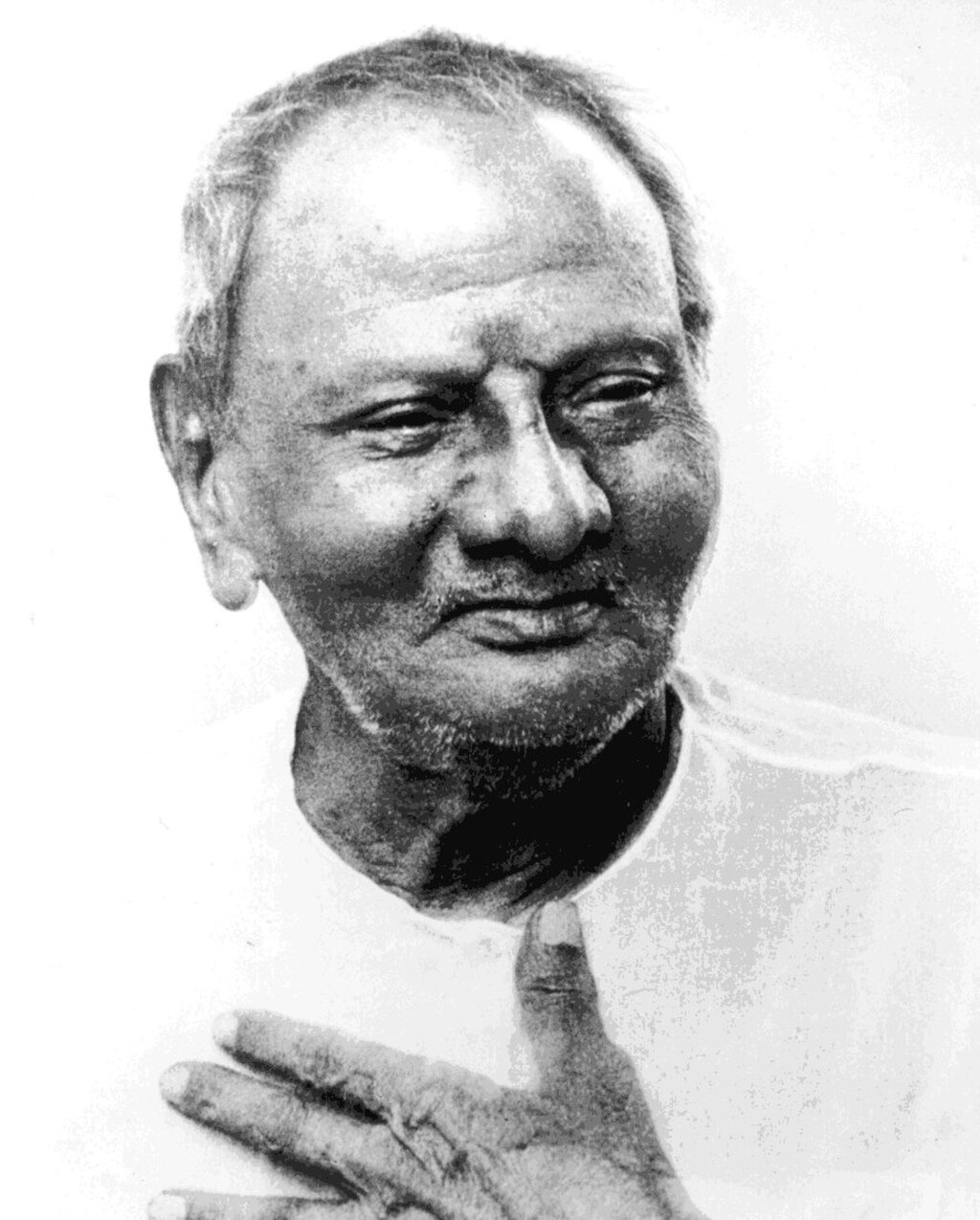
The Elusive Nature of Reality: A Journey Beyond the Mind
Nisargadatta Maharaj's assertion that "Reality is unattainable for the mind" invites us to contemplate the profound limitations of our cognitive faculties in grasping the essence of existence. This statement challenges the very foundation of how we perceive and understand our world, suggesting that the mind, with its incessant chatter and analytical tendencies, cannot encapsulate the totality of reality. In a culture that often equates knowledge with truth, this teaching serves as a poignant reminder of the deeper, often uncharted dimensions of experience that lie beyond intellectual comprehension.
To delve deeper into this quote is to recognize the inherent tension between our mental constructs and the vastness of reality itself. The mind, while a powerful tool for navigating daily life, can become a barrier when it comes to experiencing the fullness of existence. Maharaj's words beckon us to explore the possibility that true understanding transcends thought, inviting us to engage with reality not as a concept to be dissected, but as a living experience to be embraced. This perspective is not merely philosophical; it has practical implications for how we live, relate, and ultimately awaken to the truth of our being.
The image / the metaphor
The phrase "Reality is unattainable for the mind" conjures an image of a vast ocean, representing the boundless nature of existence, while the mind is akin to a small boat attempting to navigate its depths. The verbs "is" and "unattainable" suggest a static quality to reality, emphasizing that it exists independently of our perceptions and interpretations. This imagery evokes a sense of humility, reminding us that our understanding is limited and that the essence of reality cannot be contained within the confines of our thoughts.
Diving deeper into this metaphor, we can see that the mind's attempts to grasp reality are often akin to trying to catch the wind in a net. The more we strive to define and categorize our experiences, the more elusive they become. This paradox highlights the futility of relying solely on intellectual reasoning to access deeper truths. Instead, it invites us to let go of our need for certainty and control, encouraging a more fluid engagement with life that embraces uncertainty and mystery.
In the speaker's tradition
Nisargadatta Maharaj's teachings are rooted in the non-dual tradition, which emphasizes the unity of all existence and the illusory nature of separation. Concepts such as *sunyata* (emptiness) and *fana* (annihilation of the self) resonate deeply with his assertion that reality transcends the mind. In this framework, the mind is seen as a construct that can obscure our perception of the true nature of reality, which is fundamentally interconnected and beyond dualistic distinctions. This understanding aligns with the notion of *kenosis*, or self-emptying, where one relinquishes the ego's grasp in order to experience a more profound sense of being.
In his seminal work, *I Am That*, Maharaj articulates the idea that the self is not a fixed entity but rather a dynamic process of awareness. This aligns with the Buddhist concept of *prajna*, or wisdom, which points to an intuitive understanding that arises when one transcends the limitations of the conceptual mind. By recognizing that reality cannot be fully articulated or understood through thought alone, we open ourselves to a deeper, more direct experience of existence that is rich with meaning and connection.
Living the teaching
Consider a modern scenario where this teaching might resonate: a person grappling with anxiety about the future. In their attempts to plan and control every aspect of their life, they find themselves trapped in a cycle of worry and fear. By reflecting on Maharaj's insight that reality is beyond the mind's grasp, they may begin to release their attachment to outcomes and embrace the present moment. This shift allows them to experience life more fully, cultivating a sense of peace that arises from acceptance rather than control.
Another application of this teaching can be found in relationships. Often, we approach our connections with others through the lens of expectation and judgment, attempting to fit them into our preconceived notions of who they should be. By recognizing that reality transcends our mental frameworks, we can learn to engage with our loved ones more openly and authentically. This practice of presence fosters deeper intimacy and understanding, allowing us to appreciate the richness of each moment without the constraints of our mental narratives.
A reflection
As we contemplate Nisargadatta Maharaj's profound statement, we are invited to reflect on our own relationship with reality and the mind. What thoughts or beliefs do we cling to that may be limiting our experience of life? In what ways can we cultivate a deeper awareness that transcends the confines of our mental constructs? This inquiry encourages us to explore the spaces between thought and experience, inviting us to embrace the mystery of existence with an open heart.




Join the BrightStar Community
Stay connected with daily inspiration, event announcements, and community wisdom