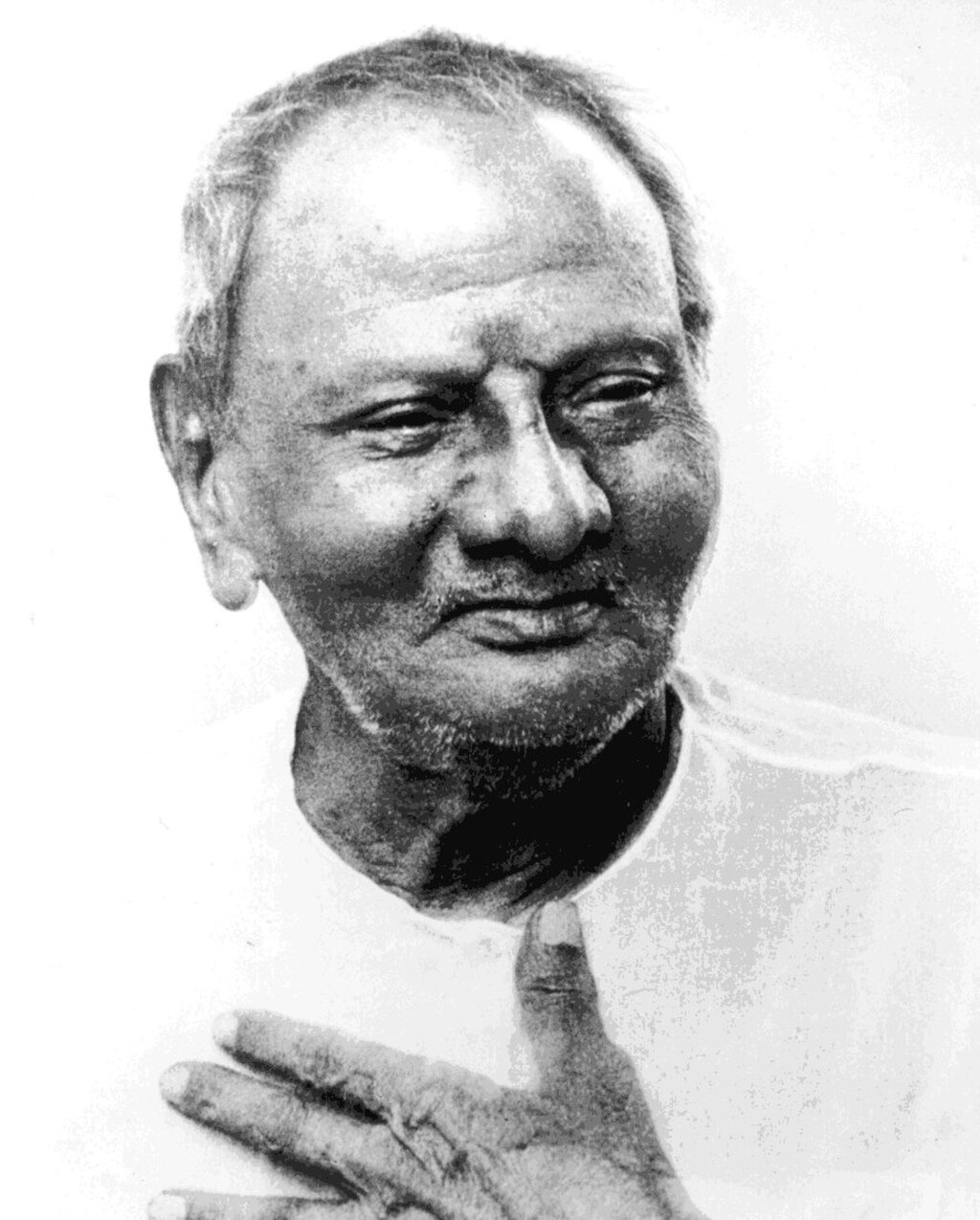
The Liberation of Disappearing: Embracing the Void
Nisargadatta Maharaj's assertion that "the mind is afraid of disappearing. Yet disappearing is liberation" invites us to confront a profound paradox. The mind, with its incessant chatter and attachment to identity, perceives the dissolution of self as a threat. Yet, within this very act of disappearing lies the potential for true freedom. This teaching challenges us to examine our relationship with the self and the fears that bind us, urging us to recognize that liberation is found not in clinging to existence but in surrendering to the vastness of being.
In a world that often equates existence with value, the idea of disappearing can evoke a visceral fear. We are conditioned to believe that our identities, our thoughts, and our experiences define us. However, Maharaj's words beckon us to explore the possibility that true liberation transcends the confines of the mind. By embracing the notion of disappearance, we may discover a profound sense of peace and wholeness that lies beyond the limitations of our constructed selves. This exploration is not merely theoretical; it is an invitation to engage deeply with our own consciousness and the nature of reality.
The image / the metaphor
The imagery in Maharaj's quote evokes a sense of duality: the mind, often characterized as a fearful entity, stands in stark contrast to the liberating essence of disappearance. The verb "afraid" suggests a primal instinct, a protective mechanism that seeks to preserve the self at all costs. In contrast, "disappearing" conveys a sense of release, a shedding of layers that no longer serve us. This juxtaposition creates a felt sense of tension, one that resonates deeply within the human experience as we grapple with our fears and desires.
In the speaker's tradition
Nisargadatta Maharaj's teachings are rooted in the non-dual tradition, which emphasizes the interconnectedness of all existence and the illusory nature of the self. Concepts such as *sunyata* (emptiness) and *fana* (annihilation of the self) resonate deeply with his assertion about the mind's fear of disappearing. In this context, liberation is not merely an escape from suffering but a return to the fundamental nature of reality, where the distinctions between self and other dissolve, revealing the inherent unity of all things.
In the text *I Am That*, Maharaj frequently points to the idea that the mind's attachments create a false sense of separation. He encourages seekers to recognize that the essence of who they are transcends the limitations of thought and identity. This echoes the teachings found in other non-dual texts, such as the *Upanishads*, which assert that the ultimate reality, *Brahman*, is both the source and the essence of all beings. By understanding this, we can begin to dismantle the fears that arise from our identification with the mind and embrace the liberating truth of our existence.
Living the teaching
Consider a modern scenario where this teaching might resonate: an individual grappling with anxiety about their future. The mind races with thoughts of what could go wrong, creating a sense of paralysis. In this moment, Maharaj's teaching serves as a gentle reminder that the fear of disappearing—of losing control or certainty—can be transformed into an opportunity for liberation. By allowing oneself to let go of the need for predictability and embracing the unknown, one can find a profound sense of peace and freedom in the present moment.
In the context of relationships, this teaching can also illuminate the dynamics of attachment and fear. Imagine a person who clings to their partner out of fear of loneliness or abandonment. The mind may perceive this attachment as a means of security, yet it often leads to suffering. By recognizing that true liberation comes from the willingness to let go—of expectations, control, and even the relationship itself—one can cultivate a deeper sense of love and connection. This practice of surrendering to the flow of life allows for authentic relationships to flourish, free from the constraints of fear.
A reflection
As we contemplate Maharaj's profound insight, we are invited to engage with a contemplative question: What fears arise within me at the thought of disappearing, and how might embracing this fear lead to a deeper understanding of my true self? This inquiry encourages us to explore the layers of our identity and the attachments that bind us, ultimately guiding us toward the liberating truth that lies beyond the mind's grasp. In this exploration, we may find that the path to liberation is not one of resistance but of gentle surrender to the vastness of existence.




Join the BrightStar Community
Stay connected with daily inspiration, event announcements, and community wisdom