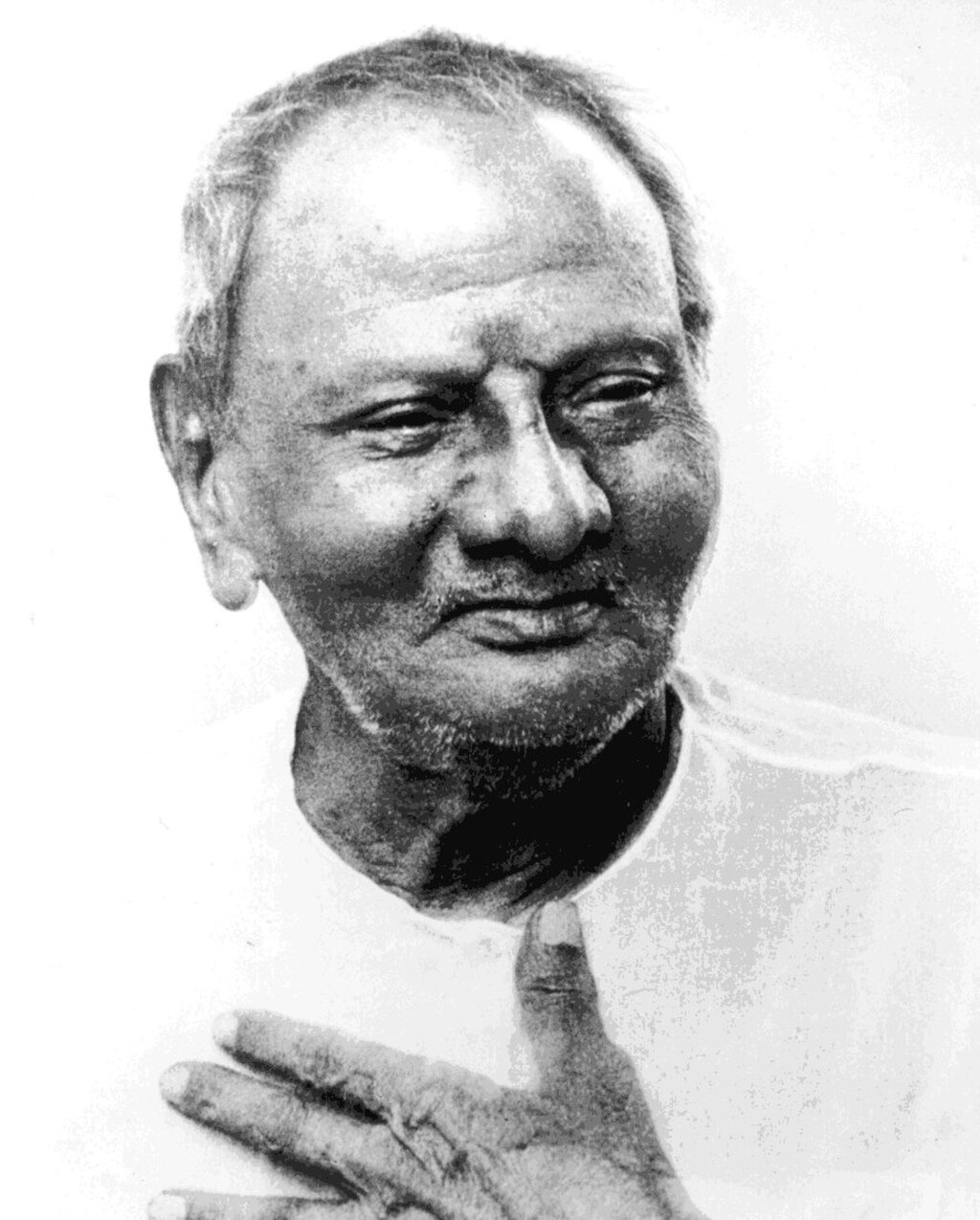
The Essence of Awareness: A Journey into Being
Nisargadatta Maharaj's assertion, "To be is to be aware. Awareness is being," invites us to explore the profound relationship between existence and consciousness. In this statement, he encapsulates a fundamental truth of our experience: that our very being is intertwined with our capacity for awareness. This insight is not merely philosophical; it holds the potential to transform our understanding of self and reality, urging us to recognize that awareness is not an add-on to existence but its very essence.
Delving deeper, we find that Maharaj's words challenge the conventional notions of identity and separation. They beckon us to consider that true existence is not defined by external circumstances or transient thoughts but by a deeper, abiding awareness that connects us to the universe. This perspective is crucial in a world often dominated by distraction and superficiality, where the essence of being can be obscured by the noise of daily life. By embracing awareness as the foundation of our existence, we open ourselves to a richer, more unified experience of life.
The image / the metaphor
The imagery in Maharaj's quote is striking in its simplicity yet profound in its implications. The verb "to be" suggests a state of existence that is active and dynamic, while "to be aware" implies a conscious engagement with that existence. This interplay between being and awareness evokes a sense of fluidity; it suggests that awareness is not a static quality but a living, breathing aspect of our being. The felt sense of this relationship is one of unity, where awareness becomes the lens through which we perceive and interact with the world.
In the speaker's tradition
Nisargadatta Maharaj's teachings are rooted in the non-dual tradition, which emphasizes the unity of existence and the illusion of separation. Concepts such as *advaita* (non-duality) and *sunyata* (emptiness) resonate deeply with his assertion that awareness is intrinsic to being. In this context, awareness transcends the individual self, revealing a shared consciousness that connects all beings. This understanding aligns with the notion of *kenosis*, or self-emptying, where one relinquishes the ego to experience a deeper sense of unity with the cosmos.
To further illustrate this, we can reference the *Upanishads*, ancient texts that explore the nature of reality and consciousness. In the *Chandogya Upanishad*, it is stated, "Tat tvam asi" or "That thou art," which echoes Maharaj's sentiment that our true essence is not separate from the greater whole. This profound realization invites us to recognize that our awareness is a reflection of the universal consciousness, urging us to dissolve the boundaries of the self and embrace the interconnectedness of all existence.
Living the teaching
Consider a modern scenario where this teaching can be applied: a busy professional navigating the demands of work and life. In the midst of deadlines and responsibilities, one might feel overwhelmed, losing sight of the essence of being. By cultivating awareness—taking moments to pause, breathe, and reconnect with the present—the individual can transform their experience. This practice of awareness allows them to step back from the chaos, recognizing that their true self is not defined by their tasks but by their capacity to be present and engaged with life.
In a different context, imagine a relationship facing challenges. When conflicts arise, it is easy to become entangled in the narratives of blame and separation. However, by embodying the teaching of awareness, one can approach the situation with a sense of presence and understanding. This shift allows for deeper communication and empathy, fostering a connection that transcends the immediate issues. In both scenarios, the practice of awareness becomes a transformative tool, guiding individuals toward a more profound experience of being and unity.
A reflection
As we contemplate Nisargadatta Maharaj's profound statement, we are invited to reflect on the nature of our own awareness. How often do we find ourselves caught in the distractions of daily life, forgetting the essence of our being? In what ways can we cultivate a deeper awareness that connects us to ourselves and the world around us? This contemplation encourages us to explore the richness of our existence, inviting us to embrace the unity that lies at the heart of being.




Join the BrightStar Community
Stay connected with daily inspiration, event announcements, and community wisdom