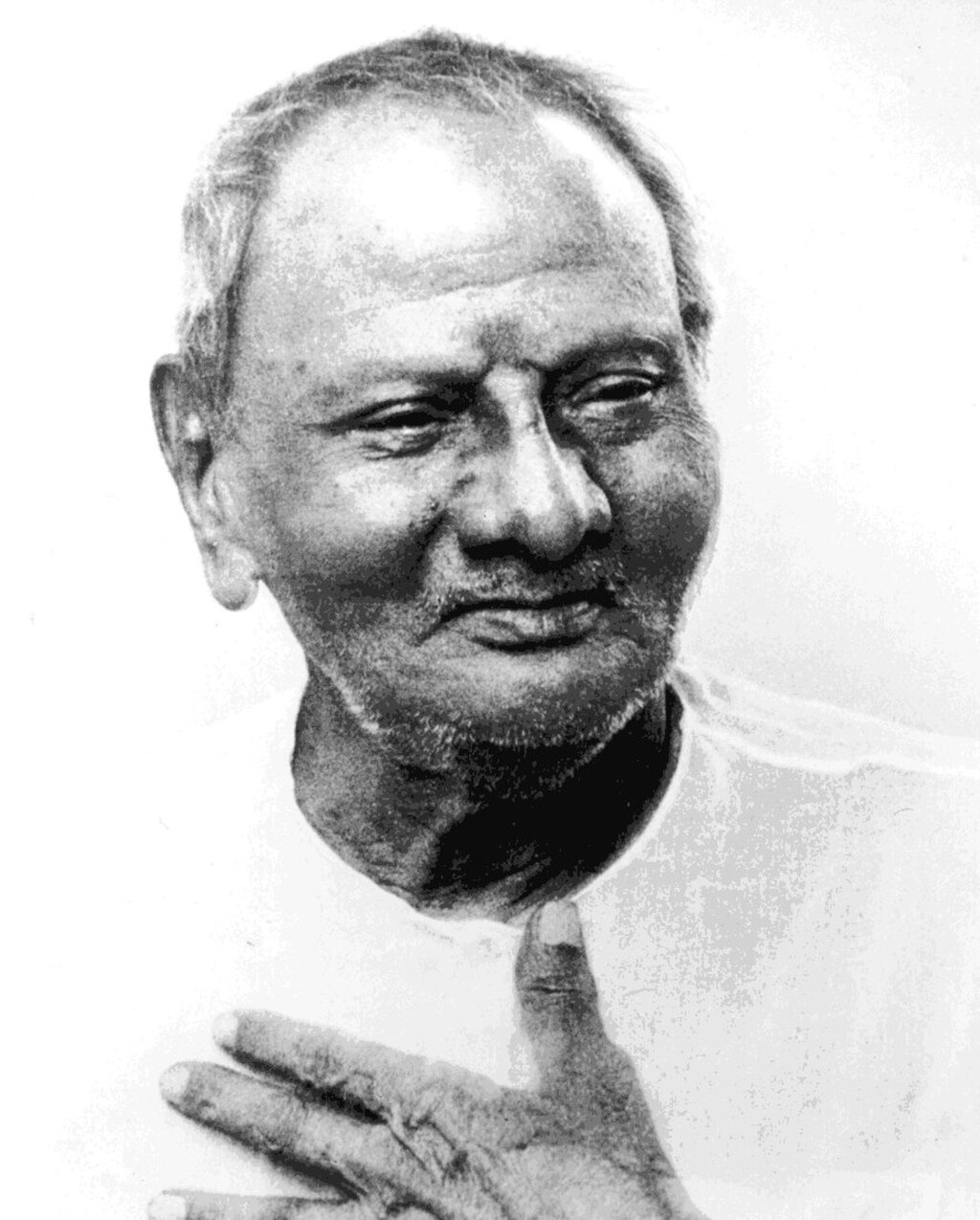
Beyond the Mind: The Path to True Awareness
Nisargadatta Maharaj's assertion, "Trust nothing your mind tells you about you," invites us to question the very foundation of our self-perception. In a world where identity is often constructed through the narratives we tell ourselves, this statement serves as a profound reminder of the limitations of the mind. It challenges us to look beyond the transient thoughts and beliefs that shape our understanding of who we are, urging us to seek a deeper, more authentic awareness. The stakes are high; to trust the mind is to remain ensnared in a web of illusions, while to transcend it opens the door to genuine self-discovery.
This quote resonates deeply in a culture that often equates self-worth with external validation and mental constructs. The mind, with its incessant chatter and fluctuating emotions, can lead us astray, creating a fragmented sense of self that is at odds with our true nature. Maharaj's teaching encourages us to cultivate a discerning awareness, one that recognizes the mind's limitations and seeks a more profound understanding of existence. By learning to trust our inner awareness rather than the fleeting thoughts of the mind, we embark on a journey toward liberation and wholeness.
The image / the metaphor
The imagery in Maharaj's quote evokes a sense of caution and introspection. The verb "trust" implies a relationship of reliance, suggesting that we often place our faith in the narratives constructed by our minds. However, the directive to "trust nothing" creates a stark contrast, urging us to adopt a skeptical stance toward our thoughts. This metaphorical landscape invites us to visualize the mind as a turbulent sea, where waves of thought crash and recede, often obscuring the stillness beneath. In this stillness lies the essence of our being, untouched by the chaos of mental activity.
In the speaker's tradition
Nisargadatta Maharaj's teachings are deeply rooted in the non-dual tradition, which emphasizes the unity of existence and the illusory nature of the self. Concepts such as *sunyata* (emptiness) and *fana* (annihilation of the self) resonate with his assertion that the mind's narratives are mere illusions. In this context, the mind is seen as a tool that can either obscure or reveal our true nature. By understanding the mind's limitations, we can cultivate *prajna*, or wisdom, which allows us to see beyond the superficial layers of identity and connect with the essence of our being.
In his seminal work, *I Am That*, Maharaj articulates the idea that the true self is not defined by thoughts or experiences but is instead a state of pure awareness. This aligns with the teachings of other non-dual philosophers, such as Ramana Maharshi, who emphasized the importance of self-inquiry in discerning the true self from the mind's distractions. Both teachers guide us toward a direct experience of our nature, encouraging us to question the validity of our thoughts and to seek a deeper understanding of existence.
Living the teaching
Consider a modern scenario where this teaching can be applied: a person facing self-doubt in their professional life. The mind may conjure thoughts of inadequacy, leading to a cycle of anxiety and fear of failure. By heeding Maharaj's advice, this individual can learn to observe these thoughts without attachment, recognizing them as mere mental constructs rather than truths about their capabilities. This shift in perspective allows for a more grounded approach to challenges, fostering resilience and self-acceptance.
In the realm of relationships, the teaching can manifest in moments of conflict. When misunderstandings arise, the mind may generate narratives that blame or criticize the other person, clouding our perception of the situation. By applying Maharaj's wisdom, we can step back and question these thoughts, allowing space for empathy and understanding. This practice not only enhances our relationships but also cultivates a deeper sense of connection with ourselves and others, rooted in awareness rather than judgment.
A reflection
As we contemplate Maharaj's profound statement, we are invited to engage in a reflective inquiry: What stories does my mind tell me about myself that may not be true? This question encourages us to explore the narratives we hold and to discern their origins and validity. By examining these thoughts with curiosity and compassion, we can begin to unravel the layers of illusion that obscure our true nature, paving the way for a more authentic and liberated existence.




Join the BrightStar Community
Stay connected with daily inspiration, event announcements, and community wisdom