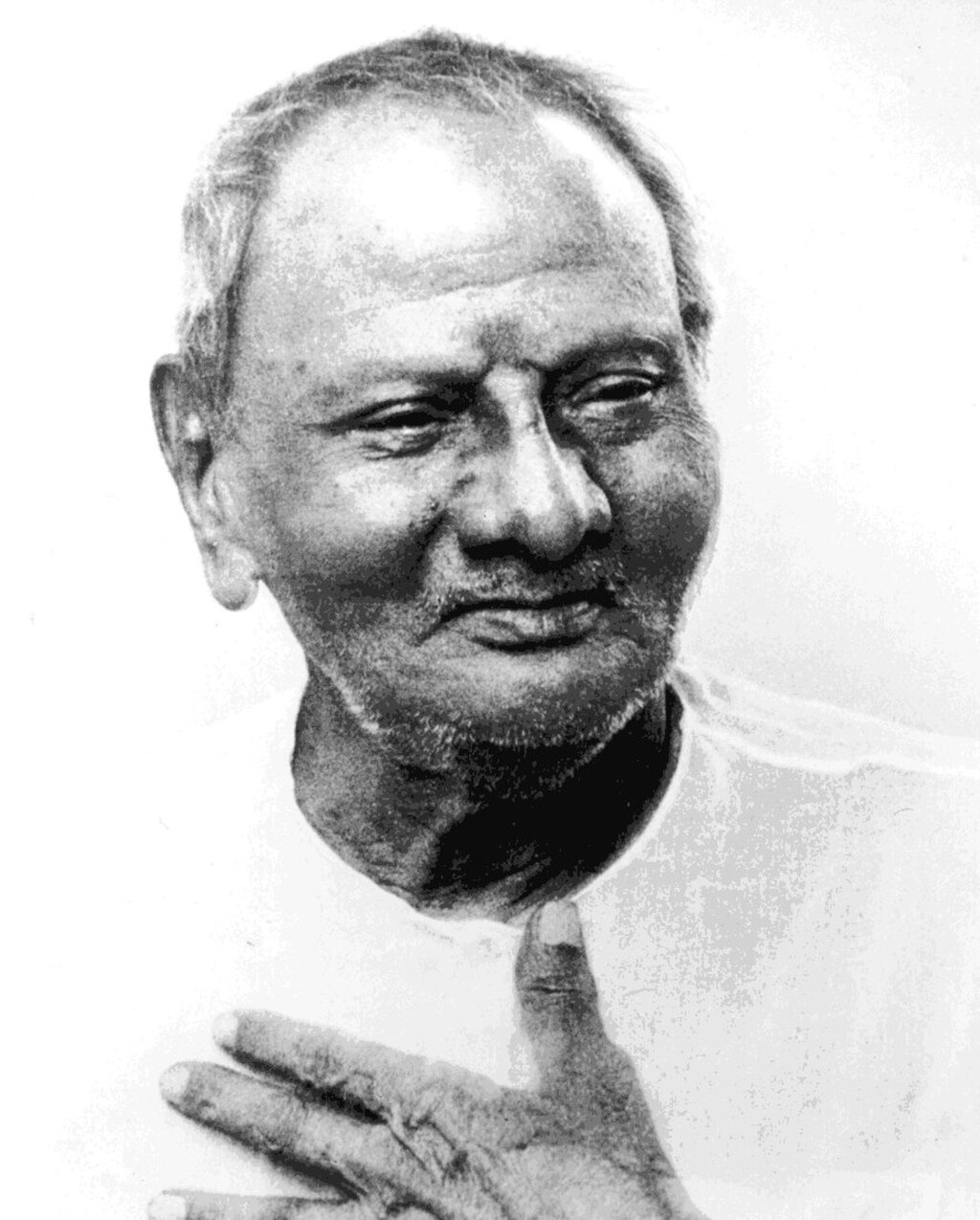
The Unshakeable Witness: Embracing the Essence of Being
Nisargadatta Maharaj's profound assertion, "Whatever happens, you remain," invites us to explore the constancy of our true essence amidst the ever-changing landscape of life. This statement serves as a reminder that our fundamental nature transcends the vicissitudes of existence, urging us to recognize the enduring witness within. In a world rife with uncertainty and turmoil, this teaching beckons us to anchor ourselves in the unchanging reality of our being, offering solace and strength in the face of life's inevitable challenges.
To delve deeper into this quote is to confront the very nature of our identity and existence. It challenges the transient self, the ego that clings to experiences, emotions, and external circumstances. By affirming that "you remain," Maharaj points us toward a profound realization: that our essence is not defined by what happens to us, but rather by the awareness that observes these happenings. This awareness, or the witness consciousness, is the bedrock of our spiritual journey, inviting us to cultivate a deeper understanding of who we truly are beyond the ephemeral.
The image / the metaphor
The imagery embedded in Maharaj's words evokes a sense of steadfastness amidst chaos. The phrase "whatever happens" encompasses the full spectrum of human experience—joy, sorrow, success, failure, and everything in between. The verb "remain" suggests a presence that is unwavering, a foundation that does not crumble under the weight of life's trials. This evokes the image of a vast ocean, where the surface may be turbulent with waves and storms, yet the depths remain calm and undisturbed, embodying the essence of our true nature.
Diving deeper into this metaphor, we can see that the ocean represents the infinite potential of consciousness, while the waves symbolize the transient thoughts and emotions that arise. Just as the ocean does not identify with the waves, we too are invited to recognize that our true self is not confined to the fluctuations of our experiences. This understanding fosters a sense of liberation, allowing us to navigate life's challenges with grace, knowing that our essence remains untouched by the external world.
In the speaker's tradition
Nisargadatta Maharaj's teachings are rooted in the non-dual tradition, which emphasizes the unity of existence and the illusion of separation. Concepts such as *sunyata* (emptiness) and *fana* (annihilation of the self) resonate deeply with the essence of his message. In this framework, the realization of our true nature involves a profound letting go of the ego and the identification with transient phenomena. This aligns with the notion of *kenosis*, or self-emptying, which invites us to relinquish our attachments and recognize the boundless nature of consciousness.
A relevant text that echoes this sentiment is the *Upanishads*, which articulate the idea of *Tat Tvam Asi*—"That Thou Art." This ancient wisdom reinforces the notion that our essence is not separate from the divine or the universe; rather, it is an integral part of the whole. By recognizing our interconnectedness with all that is, we can begin to embody the truth of Maharaj's teaching, understanding that our essence remains constant, even as we navigate the complexities of life.
Living the teaching
Consider a modern scenario where this teaching becomes particularly relevant: a sudden job loss. The initial reaction may be one of panic, fear, and self-doubt, as the individual grapples with the implications of this change. However, by embracing the essence of Maharaj's words, one can shift their perspective. Instead of identifying solely with the loss, they can recognize that their true self—the witness—remains intact, unaffected by external circumstances. This realization can foster resilience, allowing them to approach the situation with clarity and purpose, seeking new opportunities rather than succumbing to despair.
In the context of relationships, this teaching can also illuminate the path to deeper connection. During moments of conflict, it is easy to become entangled in the emotions and narratives that arise. Yet, by remembering that "you remain," individuals can cultivate a sense of detachment from the drama, allowing them to respond with compassion rather than reactivity. This awareness fosters a space for understanding and healing, as both parties can recognize their shared essence beyond the temporary discord, paving the way for reconciliation and growth.
A reflection
As we contemplate the depth of Nisargadatta Maharaj's teaching, we are invited to ask ourselves: In the midst of life's fluctuations, how can I cultivate a deeper awareness of my unchanging essence? This question encourages us to explore the ways in which we identify with our experiences and challenges, prompting a journey inward to discover the witness that remains steadfast. By engaging with this inquiry, we can begin to embody the truth of our being, finding peace and strength in the constancy of our essence.




Join the BrightStar Community
Stay connected with daily inspiration, event announcements, and community wisdom