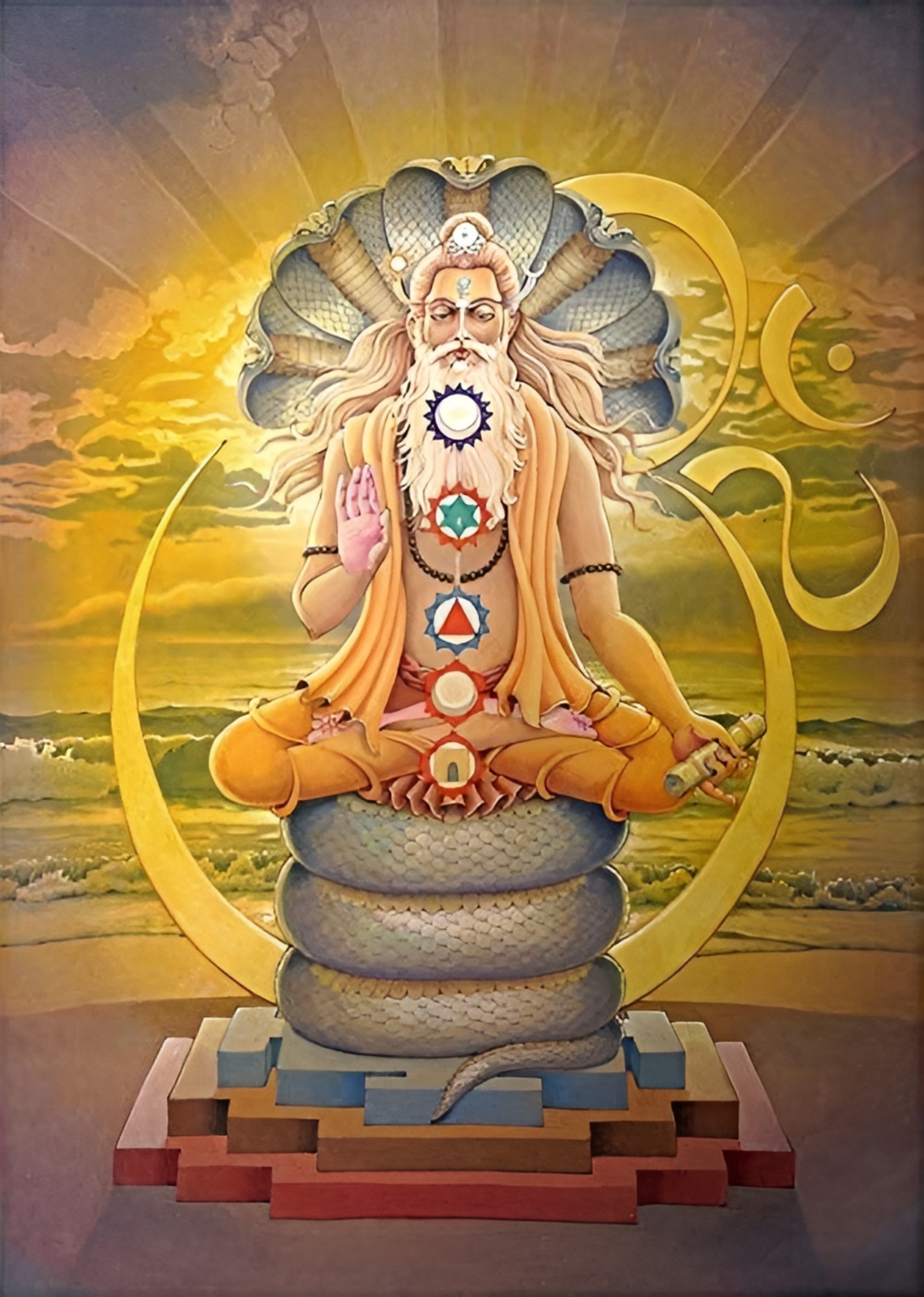
The Illumination of Mastery: Wisdom Through Samyama
In the profound words of Patanjali, "From mastery of samyama comes the light of wisdom." This statement encapsulates a journey toward understanding that transcends mere intellectual knowledge. It suggests that true wisdom arises not from accumulation but from a deep, integrated mastery of the self and the world around us. The stakes are high; in a world often clouded by confusion and distraction, the pursuit of wisdom through samyama offers a path to clarity and insight.
To delve deeper, we must consider what samyama entails. It is a triad of practices—dharana (concentration), dhyana (meditation), and samadhi (absorption)—that together cultivate a profound inner awareness. This mastery is not simply about achieving a state of mind; it is about embodying a way of being that illuminates our understanding of life itself. The light of wisdom that emerges from this mastery is not a fleeting insight but a lasting transformation that can guide our actions and relationships.
The image / the metaphor
Patanjali's quote evokes a rich tapestry of imagery that speaks to the transformative power of mastery. The term "light" suggests clarity, illumination, and revelation, while "wisdom" implies a depth of understanding that goes beyond surface-level knowledge. The verbs "comes" and "mastery" indicate an active process, one that requires dedication and effort. This imagery invites us to envision wisdom as a radiant light that dispels the shadows of ignorance and confusion, revealing the interconnectedness of all things.
Diving deeper into the metaphor, we can see that mastery is not merely a skill to be acquired but a state of being that aligns us with the universe's rhythms. The light of wisdom is akin to the dawn breaking after a long night, a moment when everything becomes clear and vibrant. This metaphor encourages us to consider our own journeys—how we might cultivate mastery in our lives and allow the light of wisdom to guide us through the complexities we encounter.
In the speaker's tradition
Patanjali's teachings are rooted in the ancient tradition of yoga, which emphasizes the importance of self-realization and the pursuit of dharma, or righteous living. The mastery of samyama aligns with the concept of prajna, or wisdom, which is cultivated through disciplined practice and self-inquiry. This journey is not merely personal; it is a collective endeavor that connects us to the larger tapestry of existence, echoing themes found in various spiritual traditions, such as the Buddhist notion of sunyata (emptiness) and the Sufi concept of fana (annihilation of the self).
In the Yoga Sutras, Patanjali outlines a path that leads to liberation through the mastery of the mind and body. This is reminiscent of the teachings found in the Bhagavad Gita, where Krishna guides Arjuna toward understanding his true nature and purpose. Both texts emphasize that wisdom is not an abstract concept but a lived experience that arises from deep engagement with the self and the world. The light of wisdom, therefore, is a beacon that illuminates our path toward fulfilling our dharma.
Living the teaching
Consider a modern scenario where this teaching might resonate: a professional grappling with the demands of a high-stress job. In the pursuit of success, one might find themselves overwhelmed by distractions and pressures, leading to a sense of disconnection from their true purpose. By applying the principles of samyama—focusing on concentration, meditation, and absorption—this individual can cultivate a deeper understanding of their motivations and values, ultimately allowing the light of wisdom to guide their decisions and actions.
In a different context, imagine a relationship strained by misunderstandings and unspoken grievances. Here, the mastery of samyama can serve as a transformative practice. By engaging in focused listening and mindful communication, both partners can cultivate a deeper awareness of each other's perspectives. This process not only fosters empathy but also illuminates the underlying truths of their connection, allowing the light of wisdom to heal and strengthen their bond.
A reflection
As we contemplate Patanjali's assertion that "from mastery of samyama comes the light of wisdom," we are invited to reflect on our own journeys. What areas of our lives require mastery, and how might we cultivate the practices that lead to deeper understanding? In this moment of reflection, consider: What does wisdom look like in your life, and how can you actively engage in the practices that will illuminate your path?




Join the BrightStar Community
Stay connected with daily inspiration, event announcements, and community wisdom