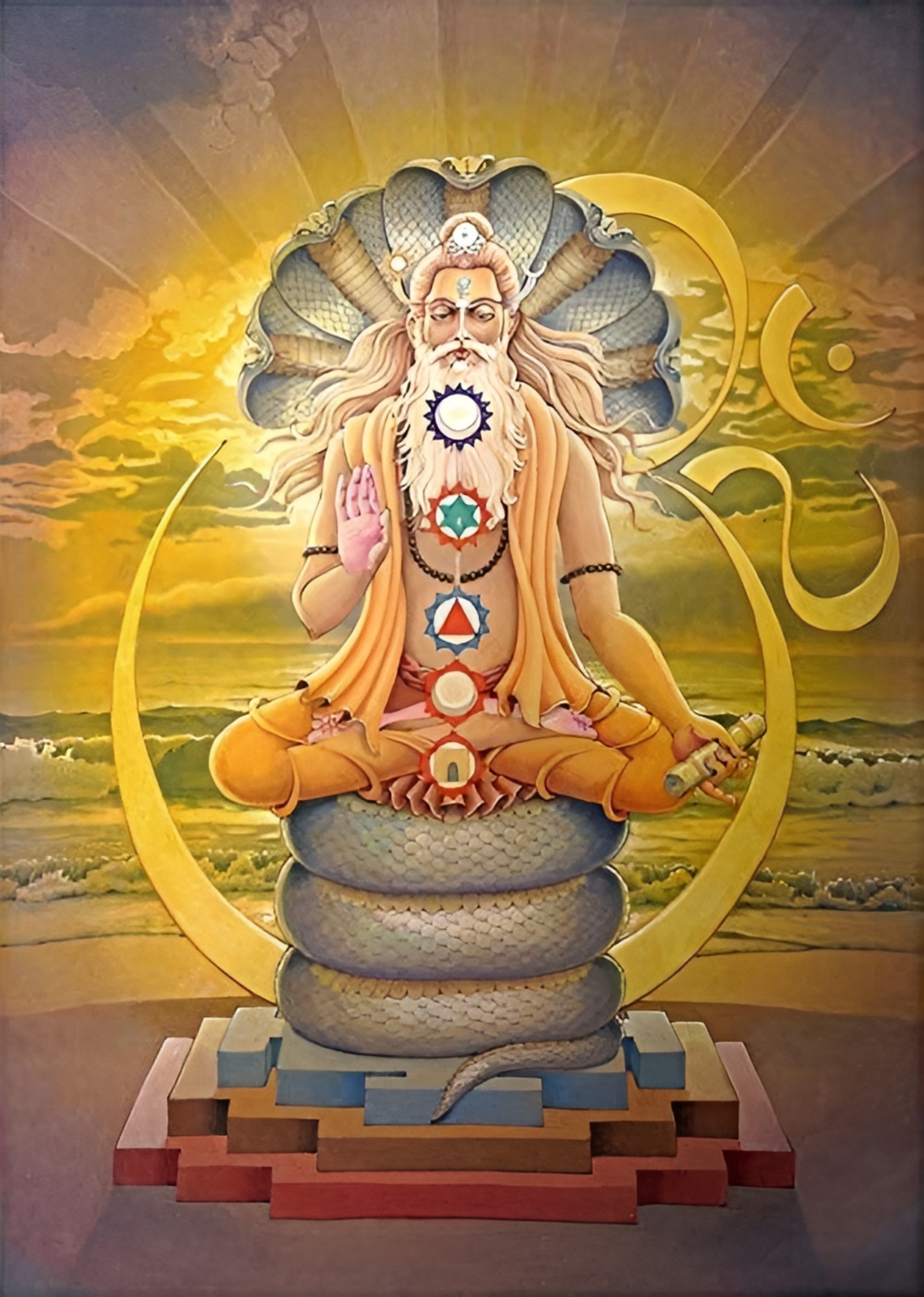
The Alchemy of Dispassion and Practice
Patanjali's assertion that "habitual practice and dispassion are the means" invites us to explore the transformative power of consistent effort and emotional detachment in our spiritual journeys. This quote encapsulates a profound understanding of how we can cultivate a deeper awareness and connection to our true selves. In a world often driven by desire and distraction, the wisdom of this teaching becomes increasingly relevant, offering a pathway to inner peace and clarity.
At the heart of this teaching lies the recognition that spiritual growth is not merely a matter of intention but requires dedicated practice and a willingness to let go of attachments. Dispassion, in this context, is not indifference but a conscious choice to engage with life without being ensnared by its transient pleasures and pains. By embracing both habitual practice and dispassion, we can navigate the complexities of existence with grace and insight, ultimately leading us toward a more profound understanding of our place in the universe.
The image / the metaphor
The phrase "habitual practice" evokes the image of a steady stream, flowing consistently over time, carving a path through the landscape of our lives. It suggests that spiritual growth is not a sudden revelation but rather a gradual unfolding, shaped by our daily commitments and rituals. The verb "practice" implies an active engagement, a willingness to return to the mat, the breath, or the moment, time and again, regardless of the distractions that may arise.
Dispassion, on the other hand, conjures a sense of lightness and freedom. It invites us to release our grip on the outcomes of our efforts, allowing us to engage with life more fully without the weight of expectation. This metaphorical dance between practice and dispassion creates a fertile ground for transformation, where the seeds of our intentions can take root and flourish, unencumbered by the thorns of attachment.
In the speaker's tradition
Patanjali's teachings are deeply embedded in the tradition of yoga, which emphasizes the importance of both practice (sadhana) and the cultivation of a dispassionate mind (vairagya). This duality resonates with the concept of dharma, or one's rightful path, suggesting that true fulfillment arises when we align our actions with our higher purpose while remaining unattached to the fruits of those actions. In this way, dispassion serves as a guiding principle, allowing us to navigate our dharma with clarity and intention.
Moreover, the Yoga Sutras themselves serve as a foundational text for understanding these concepts. In Sutra 1.12, Patanjali articulates that the combination of practice and dispassion leads to the cessation of fluctuations in the mind (citta-vrtti-nirodhah). This cessation is not merely an absence of thought but a profound stillness that allows us to experience the essence of our being, akin to the Buddhist concept of sunyata, or emptiness, where liberation arises from the relinquishment of attachment and desire.
Living the teaching
Consider a modern scenario where someone is striving to achieve a personal goal, such as completing a marathon. The initial excitement and motivation can quickly give way to frustration and self-doubt as challenges arise. By embracing Patanjali's teaching, this individual can cultivate a habitual practice of training while simultaneously practicing dispassion—recognizing that their worth is not tied to the outcome of the race. This approach allows them to enjoy the journey, appreciate the process of training, and ultimately find fulfillment regardless of the finish line.
In the realm of relationships, the application of habitual practice and dispassion can be equally transformative. Imagine a couple navigating a difficult period in their partnership. By committing to regular practices of open communication and vulnerability, they create a space for healing and growth. Simultaneously, by practicing dispassion, they learn to let go of the need for immediate resolution or validation, allowing their love to evolve organically. This balance fosters a deeper connection, rooted in understanding rather than attachment.
A reflection
As we contemplate Patanjali's wisdom, we are invited to reflect on our own lives: What habitual practices can we cultivate that align with our highest intentions? In what areas do we find ourselves overly attached to outcomes, and how might we embrace a sense of dispassion to foster deeper growth? These questions serve as a gentle reminder that the path to spiritual awakening is both a journey of commitment and a dance of letting go.




Join the BrightStar Community
Stay connected with daily inspiration, event announcements, and community wisdom