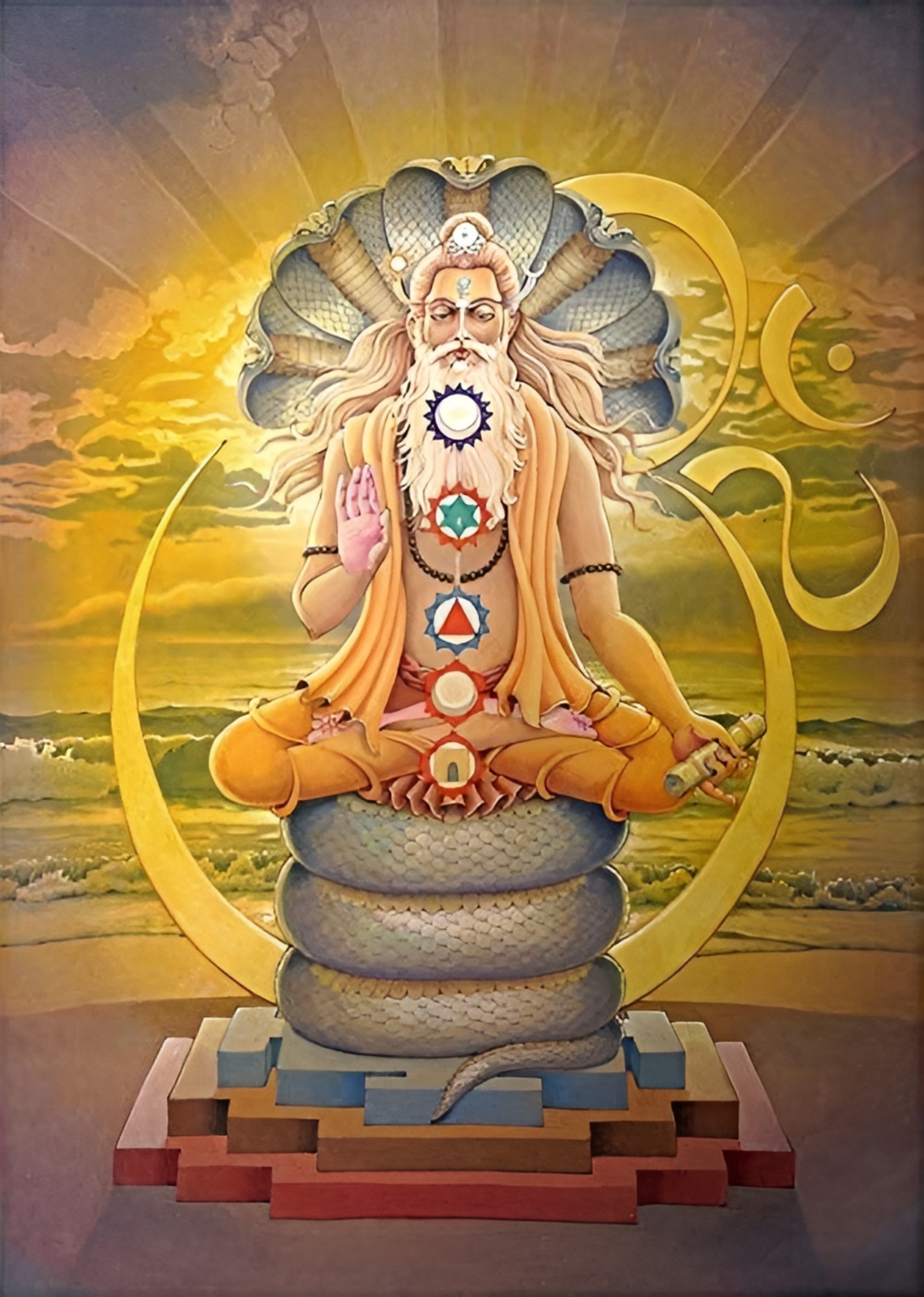
The Art of Non-Attachment: A Path to Self-Mastery
Patanjali's assertion that "non-attachment is the consciousness of self-mastery toward objects seen or heard" invites us to explore the delicate balance between engagement with the world and the wisdom of detachment. This quote emphasizes the importance of cultivating a state of awareness that allows us to interact with our surroundings without becoming ensnared by them. In a culture that often equates fulfillment with possession and attachment, Patanjali's words serve as a profound reminder of the inner strength that arises from non-attachment.
To grasp the significance of this teaching, we must delve deeper into the nature of perception and desire. Non-attachment does not imply a withdrawal from life or a rejection of experiences; rather, it encourages a conscious engagement with the world that is free from the clutches of craving and aversion. This state of being allows us to experience life fully while maintaining a sense of inner peace and clarity, ultimately leading to a more profound understanding of ourselves and our place in the universe.
The image / the metaphor
The imagery within Patanjali's quote evokes a sense of balance and clarity. The term "non-attachment" suggests a lightness, a freedom from the burdens that often accompany our desires and perceptions. The verbs "seen" and "heard" highlight the sensory nature of our experiences, reminding us that our interactions with the world are often filtered through our senses. This quote invites us to consider how we can engage with these sensory experiences without allowing them to dictate our emotional state or sense of self.
Diving deeper into the metaphor, we can envision non-attachment as a dance between the self and the external world. Just as a skilled dancer moves gracefully across the stage, responding to the music while remaining grounded in their own body, we too can learn to navigate our experiences with grace and awareness. This dance requires practice and intention, as we cultivate the ability to observe our thoughts and feelings without becoming entangled in them, ultimately leading to a more harmonious existence.
In the speaker's tradition
Patanjali's teachings are rooted in the ancient tradition of yoga, which encompasses a vast array of philosophical concepts and practices aimed at achieving self-realization. Central to this tradition is the idea of dharma, or one's duty, which encourages individuals to act in accordance with their true nature while remaining unattached to the fruits of their actions. This notion of non-attachment resonates with the Buddhist concepts of sunyata (emptiness) and prajna (wisdom), both of which emphasize the importance of seeing beyond the illusions of the material world.
In the Yoga Sutras, Patanjali elaborates on the nature of suffering and the path to liberation, suggesting that our attachments to sensory experiences are often the root cause of our discontent. By cultivating non-attachment, we can begin to transcend these limitations and experience a deeper sense of freedom. This echoes the teachings found in other spiritual traditions, such as the concept of kenosis in Christian mysticism, which speaks to the self-emptying love that allows for a greater connection with the divine.
Living the teaching
Consider a modern scenario in which a person finds themselves constantly seeking validation through social media. Each like or comment becomes a source of temporary joy, yet the underlying anxiety of needing approval creates a cycle of attachment that ultimately leads to dissatisfaction. By applying Patanjali's teaching of non-attachment, this individual can learn to engage with social media mindfully, appreciating the connections it offers without allowing their self-worth to hinge on external validation. This shift in perspective fosters a sense of inner peace and self-mastery, freeing them from the emotional rollercoaster of seeking approval.
In relationships, the practice of non-attachment can be equally transformative. Imagine a couple navigating a challenging moment, where one partner feels hurt by the other's actions. Instead of clinging to resentment or the need for an apology, they can embrace non-attachment by recognizing the impermanence of emotions and the importance of open communication. This approach allows them to address the issue with compassion and understanding, fostering a deeper connection rather than allowing attachment to past grievances to dictate their interactions.
A reflection
As we contemplate Patanjali's profound insight, we are invited to reflect on our own lives and the attachments we hold. What objects, experiences, or relationships do we cling to that may be hindering our growth and self-mastery? In the spirit of non-attachment, let us consider how we might cultivate a greater sense of awareness and freedom, allowing us to engage with the world while remaining rooted in our true selves.




Join the BrightStar Community
Stay connected with daily inspiration, event announcements, and community wisdom