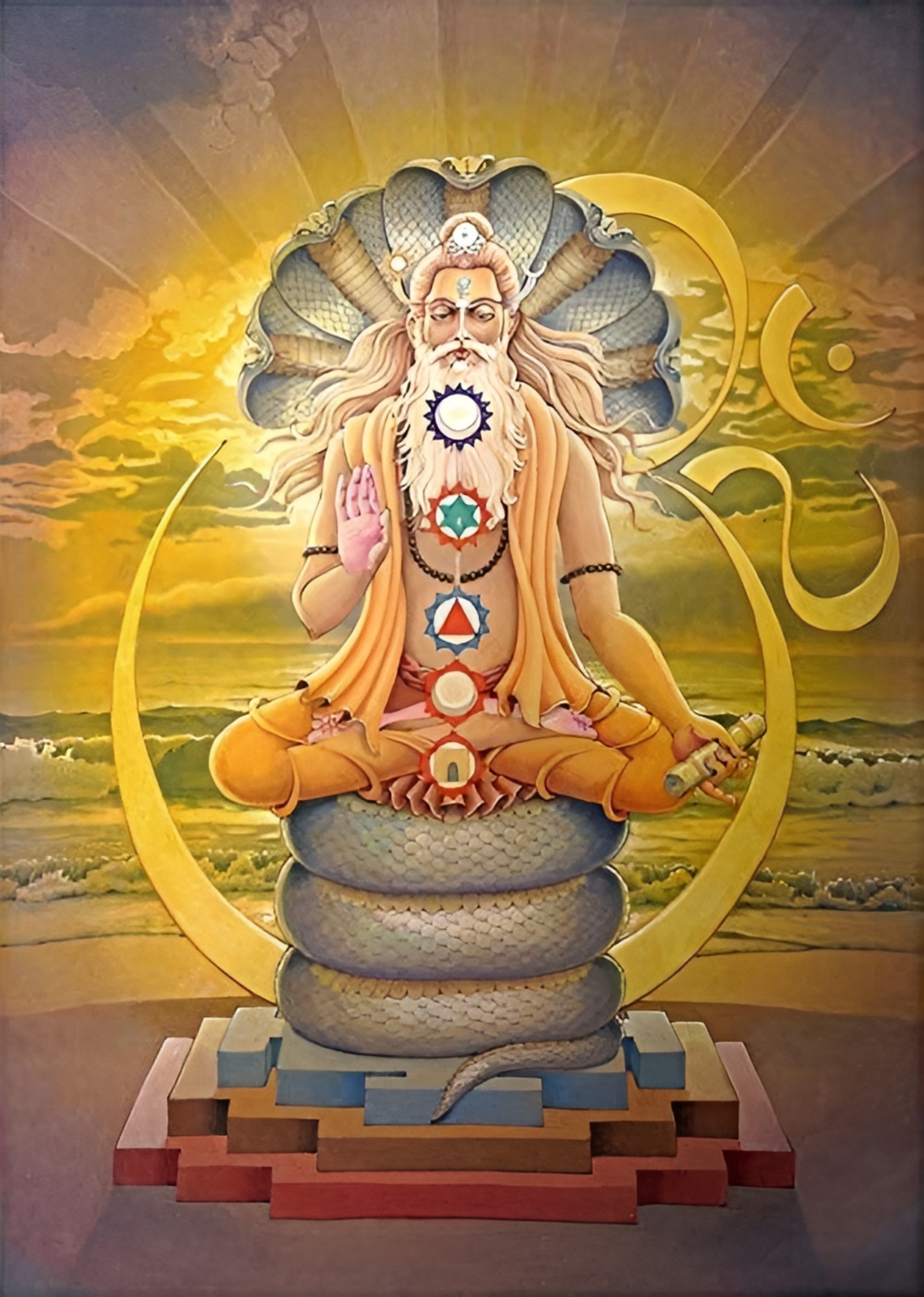
The Art of Inner Withdrawal: Embracing Pratyahara
Patanjali's assertion that "Pratyahara is the withdrawal of the senses from their objects" invites us to explore the profound practice of turning inward. This concept, nestled within the Yoga Sutras, emphasizes the necessity of disengaging from the distractions of the external world to cultivate a deeper awareness of the self. In a society saturated with stimuli, understanding and embodying this principle becomes essential for spiritual growth and inner peace.
To withdraw the senses is not merely to shut them off; rather, it is an invitation to redirect our attention from the external to the internal. This practice of pratyahara serves as a bridge between the outer experiences of life and the inner landscape of consciousness. By learning to detach from sensory experiences, we create space for deeper insights and a more profound connection to our true nature. This withdrawal is not an act of denial but a conscious choice to engage with the essence of our being.
The image / the metaphor
The imagery of withdrawal in Patanjali's quote evokes a sense of retreat, akin to a flower closing its petals at dusk. The verbs chosen—"withdrawal" and "objects"—suggest a dynamic interplay between the senses and the world around us. This act of pulling back is not passive; it is an active engagement with the self, a deliberate choice to step away from the cacophony of external stimuli. The felt sense of this practice is one of liberation, as if shedding layers of distraction to reveal the core of our being.
Diving deeper into the metaphor, pratyahara can be likened to a river that, instead of flowing outward, redirects its course inward. Just as the river carves its own path, so too does the practitioner carve a journey toward self-discovery. This inward flow allows for the exploration of the subtler aspects of consciousness, where true understanding and wisdom reside. The metaphor of withdrawal, therefore, becomes a powerful tool for transformation, guiding us toward a more authentic existence.
In the speaker's tradition
Patanjali's teachings are situated within the rich tapestry of yoga philosophy, where pratyahara serves as a vital component of the eight limbs of yoga. This practice aligns closely with the concept of dharma, or one's rightful path, as it encourages individuals to discern their true nature amidst the distractions of life. The act of withdrawal can also be seen as a form of kenosis, the self-emptying that allows for a fuller experience of the divine within. In this context, pratyahara becomes a means of aligning with one's higher purpose and cultivating a sense of inner peace.
In the broader landscape of spiritual literature, the notion of withdrawal resonates with the Buddhist concept of sunyata, or emptiness. Both traditions emphasize the importance of letting go of attachments to external phenomena to uncover the deeper truths of existence. The Yoga Sutras themselves provide a roadmap for this journey, guiding practitioners through the stages of self-awareness and ultimately leading to liberation. By understanding pratyahara within this framework, we can appreciate its significance as a foundational practice in the pursuit of spiritual awakening.
Living the teaching
Consider a modern scenario where the practice of pratyahara can be applied: a busy professional navigating the demands of a fast-paced work environment. The constant barrage of emails, meetings, and notifications can easily overwhelm the senses, leading to stress and burnout. By consciously choosing to withdraw from these external distractions—perhaps through a brief meditation or a walk in nature—the individual can reconnect with their inner self, fostering clarity and calm amidst the chaos. This intentional withdrawal allows for a more centered approach to work and life, enhancing overall well-being.
In the realm of relationships, pratyahara can also play a transformative role. Imagine a moment of conflict with a loved one, where emotions run high and communication falters. By practicing withdrawal—taking a step back to breathe and reflect—one can create space for understanding and compassion. This pause not only prevents escalation but also opens the door to deeper connection and empathy. In both personal and professional contexts, the ability to withdraw from sensory overload cultivates a more mindful and intentional way of being.
A reflection
As we contemplate Patanjali's teaching on pratyahara, we are invited to consider the nature of our own distractions. What are the external stimuli that pull us away from our inner truth? In a world that often demands our attention, how can we cultivate the practice of withdrawal to foster a deeper connection with ourselves? Reflecting on these questions can guide us toward a more intentional and fulfilling life, rooted in the wisdom of our own being.




Join the BrightStar Community
Stay connected with daily inspiration, event announcements, and community wisdom