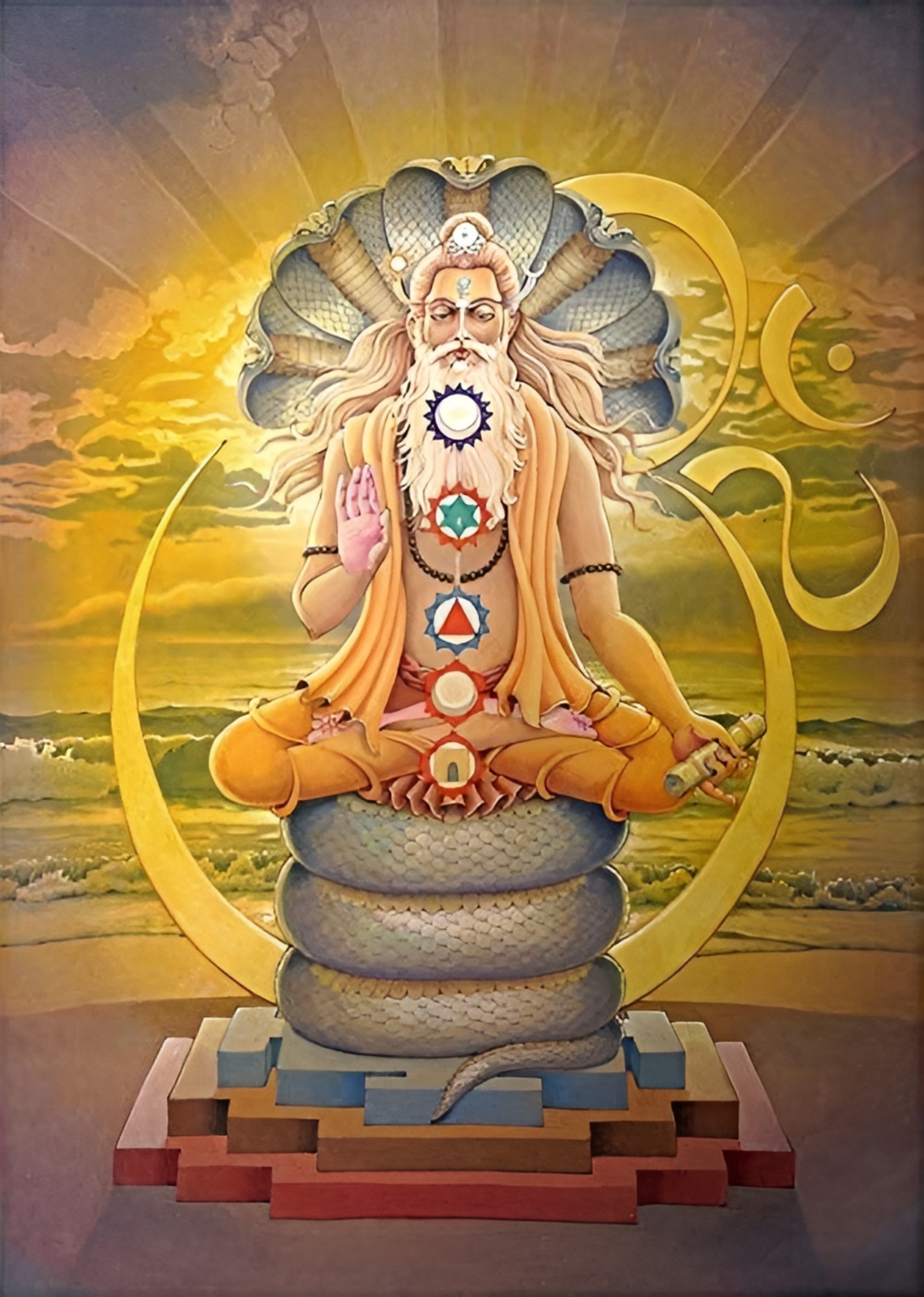
The Dance of Perception: Unraveling the Union of Seer and Seen
Patanjali's assertion that "the cause of that which is to be avoided is the union of seer and seen" invites us to explore the intricate relationship between perception and reality. This statement serves as a profound reminder that our experiences are often colored by the lens through which we view them. When the observer and the observed become entangled, we risk losing clarity, leading to confusion and suffering. Understanding this union is essential for cultivating discernment and navigating the complexities of life.
At its core, this quote challenges us to examine the nature of our perceptions and the attachments that arise from them. The union of seer and seen can lead to a distorted understanding of reality, where our judgments and biases cloud our vision. By recognizing this dynamic, we can begin to disentangle ourselves from the illusions that bind us, fostering a deeper awareness of our true nature and the world around us. This exploration is not merely an intellectual exercise; it is a vital practice for those seeking liberation from the cycles of suffering.
The image / the metaphor
The imagery in Patanjali's quote evokes a vivid picture of two entities—the seer and the seen—intertwined in a dance that can either illuminate or obscure truth. The verb "union" suggests a merging that can lead to a loss of individuality, where the observer's biases and emotions seep into their perception of the observed. This entanglement creates a fog that can distort reality, making it challenging to discern what is truly present. The felt sense of this union is one of confusion, where clarity is sacrificed at the altar of attachment.
Diving deeper into the metaphor, we can see that this union is not inherently negative; rather, it reflects the complexity of human experience. The seer, representing our consciousness, and the seen, embodying the external world, are inextricably linked. However, when we become overly identified with our perceptions, we risk losing sight of the essence of both the observer and the observed. This dance, then, becomes a call to cultivate awareness, inviting us to step back and observe the interplay without becoming ensnared in it.
In the speaker's tradition
Patanjali's teachings are rooted in the rich tradition of yoga, which emphasizes the importance of discernment (viveka) in the pursuit of spiritual liberation. This discernment allows us to differentiate between the transient and the eternal, guiding us toward a deeper understanding of our true nature. Concepts such as dharma, or one's rightful path, and prajna, or wisdom, are essential in navigating the complexities of the seer-seen relationship. By cultivating these qualities, we can begin to untangle the knots of perception that bind us.
In the Yoga Sutras, Patanjali outlines the eight limbs of yoga, which serve as a framework for achieving clarity and insight. The practice of meditation (dhyana) is particularly relevant here, as it encourages us to observe our thoughts and feelings without attachment. This process of kenosis, or self-emptying, allows us to create space for a more profound understanding of the self and the world. By engaging with these teachings, we can learn to navigate the union of seer and seen with greater wisdom and compassion.
Living the teaching
Consider a modern scenario where this teaching can be applied: a heated discussion with a friend about a contentious issue. In this moment, the union of seer and seen becomes palpable as each person’s biases and emotions color their perceptions. If one is able to recognize this entanglement, they may step back and approach the conversation with curiosity rather than defensiveness. This shift in perspective can foster a more open dialogue, allowing both individuals to explore their differing viewpoints without becoming mired in conflict.
Another application of this teaching can be found in the realm of personal relationships. Imagine a moment of tension with a partner, where misunderstandings arise from preconceived notions and past experiences. By acknowledging the union of seer and seen, one can practice mindfulness, observing their thoughts and feelings without immediately reacting. This awareness creates an opportunity for deeper connection, as both partners can express their needs and vulnerabilities, ultimately leading to a more harmonious relationship.
A reflection
As we contemplate Patanjali's profound insight, we are invited to reflect on our own lives: How often do we find ourselves entangled in the union of seer and seen? In what ways do our perceptions shape our experiences, and how might we cultivate greater discernment to navigate this intricate dance? By engaging with these questions, we can begin to unravel the layers of our understanding, moving toward a clearer, more compassionate engagement with ourselves and the world around us.




Join the BrightStar Community
Stay connected with daily inspiration, event announcements, and community wisdom