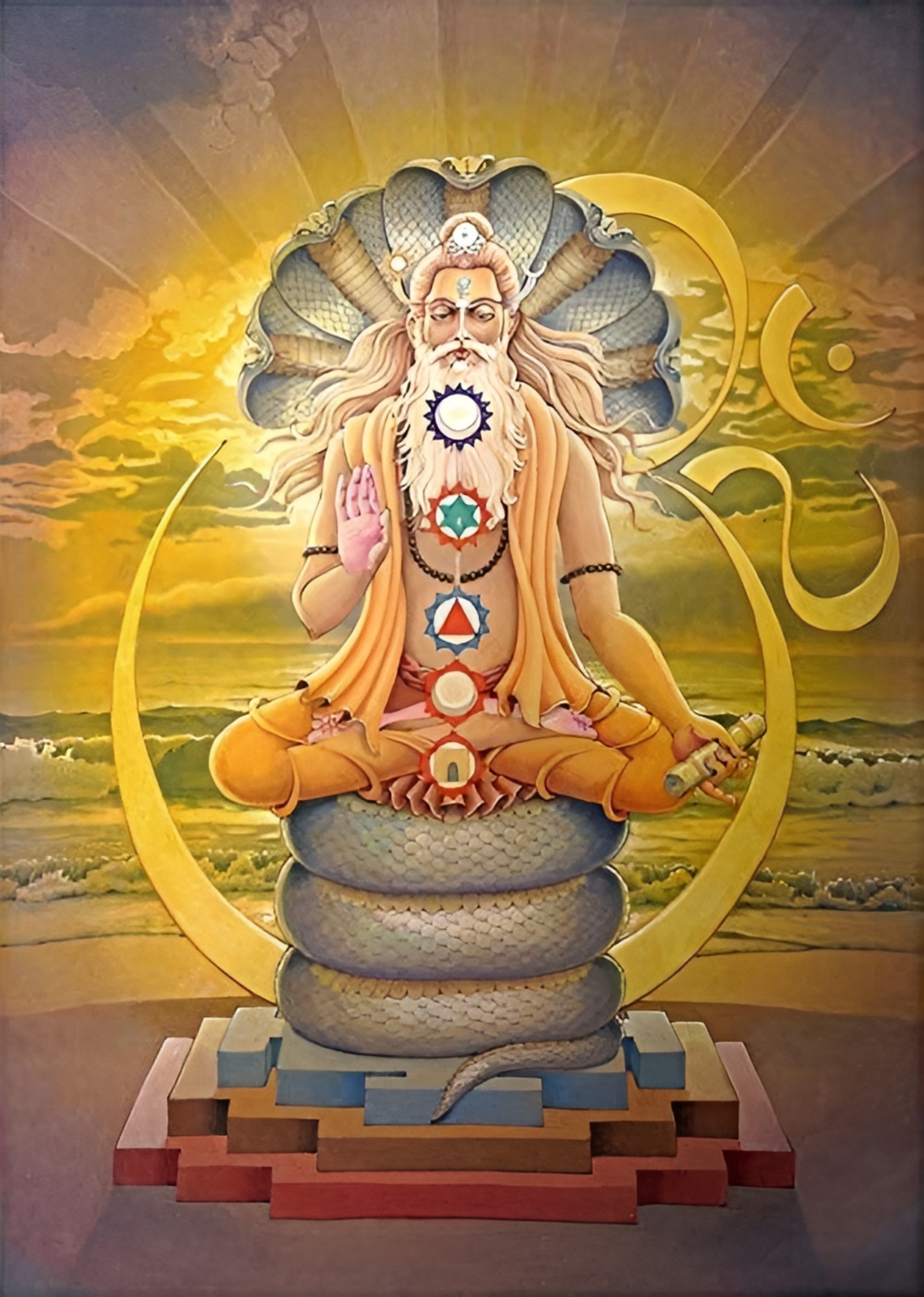
Abiding in the Essence of Being
Patanjali's assertion, "Then the seer abides in his own nature," invites us to explore the profound depths of self-awareness and authenticity. This statement encapsulates the essence of yoga, where the ultimate goal is to realize one's true nature beyond the distractions of the mind and the chaos of the external world. In a society often preoccupied with external validation and superficial identities, this teaching serves as a beacon, guiding us back to the core of our being, where clarity and peace reside.
To abide in one's own nature is to transcend the layers of conditioning and societal expectations that often obscure our true selves. It suggests a state of being where the seer—our inner observer—recognizes and rests in the essence of who we are. This realization is not merely an intellectual understanding but a lived experience, a profound shift in consciousness that allows us to navigate life with authenticity and grace. In a world that frequently pulls us away from our essence, Patanjali's words remind us of the importance of returning home to ourselves.
The image / the metaphor
The imagery in Patanjali's quote evokes a sense of stillness and clarity. The term "seer" refers to the inner observer, the part of us that witnesses our thoughts, emotions, and experiences without attachment. To "abide" suggests a deep, settled presence, a state of being that is rooted and unwavering. This contrasts sharply with the often turbulent nature of our thoughts and feelings, which can lead us astray from our true essence. The verbs chosen here—"abides" and "sees"—imply a relationship between the observer and the observed, highlighting the importance of awareness in the journey toward self-realization.
Diving deeper into the metaphor, we can understand the "seer" as the unconditioned self, the aspect of our being that remains unchanged amidst the flux of life. This abiding presence is akin to a calm lake reflecting the sky, undisturbed by the winds of change. When we cultivate this inner stillness, we can begin to perceive life from a place of clarity, free from the distortions of fear, desire, and attachment. This metaphor of the lake invites us to consider how we might cultivate a similar stillness within ourselves, allowing our true nature to shine forth.
In the speaker's tradition
Patanjali's teachings are foundational to the philosophy of yoga, which emphasizes the importance of self-realization and the pursuit of dharma, or one's true path. In this context, the concept of "kenosis," or self-emptying, resonates deeply with the idea of abiding in one's own nature. Just as kenosis invites us to let go of ego and preconceived notions, Patanjali encourages us to strip away the layers that obscure our true selves. This journey toward self-discovery is not merely an individual endeavor but a collective awakening to the interconnectedness of all beings.
A relevant text that echoes this sentiment is the Bhagavad Gita, where Krishna speaks of the importance of self-knowledge and the realization of one's eternal nature. In Chapter 2, Verse 47, Krishna emphasizes the significance of performing one's duty without attachment to the fruits of action, aligning closely with Patanjali's notion of abiding in one's true nature. Both texts invite us to transcend the limitations of the ego and to connect with the deeper essence of existence, fostering a sense of unity and purpose.
Living the teaching
Consider a modern scenario where this teaching can be applied: a professional facing burnout in a high-pressure job. The constant demands and expectations can lead to a disconnection from one's true self, resulting in stress and dissatisfaction. By taking time to reflect and cultivate awareness, this individual can begin to discern their authentic desires and values, allowing them to make choices that align with their true nature. This process of self-inquiry and reflection can lead to a more fulfilling and balanced life, where work becomes an expression of one's essence rather than a source of stress.
In the realm of relationships, the teaching of abiding in one's own nature can be transformative. Imagine a couple navigating a difficult moment, where misunderstandings and emotional triggers threaten to create distance. By practicing self-awareness and recognizing their own patterns, each partner can learn to respond from a place of authenticity rather than reacting from fear or insecurity. This shift allows for deeper connection and understanding, fostering a relationship that honors both individuals' true selves while navigating the complexities of their shared journey.
A reflection
As we contemplate Patanjali's profound insight, we are invited to ask ourselves: In what ways do I allow external influences to shape my sense of self? This question encourages a deep exploration of our identities, prompting us to consider how we might return to our essence amidst the noise of the world. By engaging with this inquiry, we can begin to uncover the layers that obscure our true nature and move toward a more authentic existence.




Join the BrightStar Community
Stay connected with daily inspiration, event announcements, and community wisdom