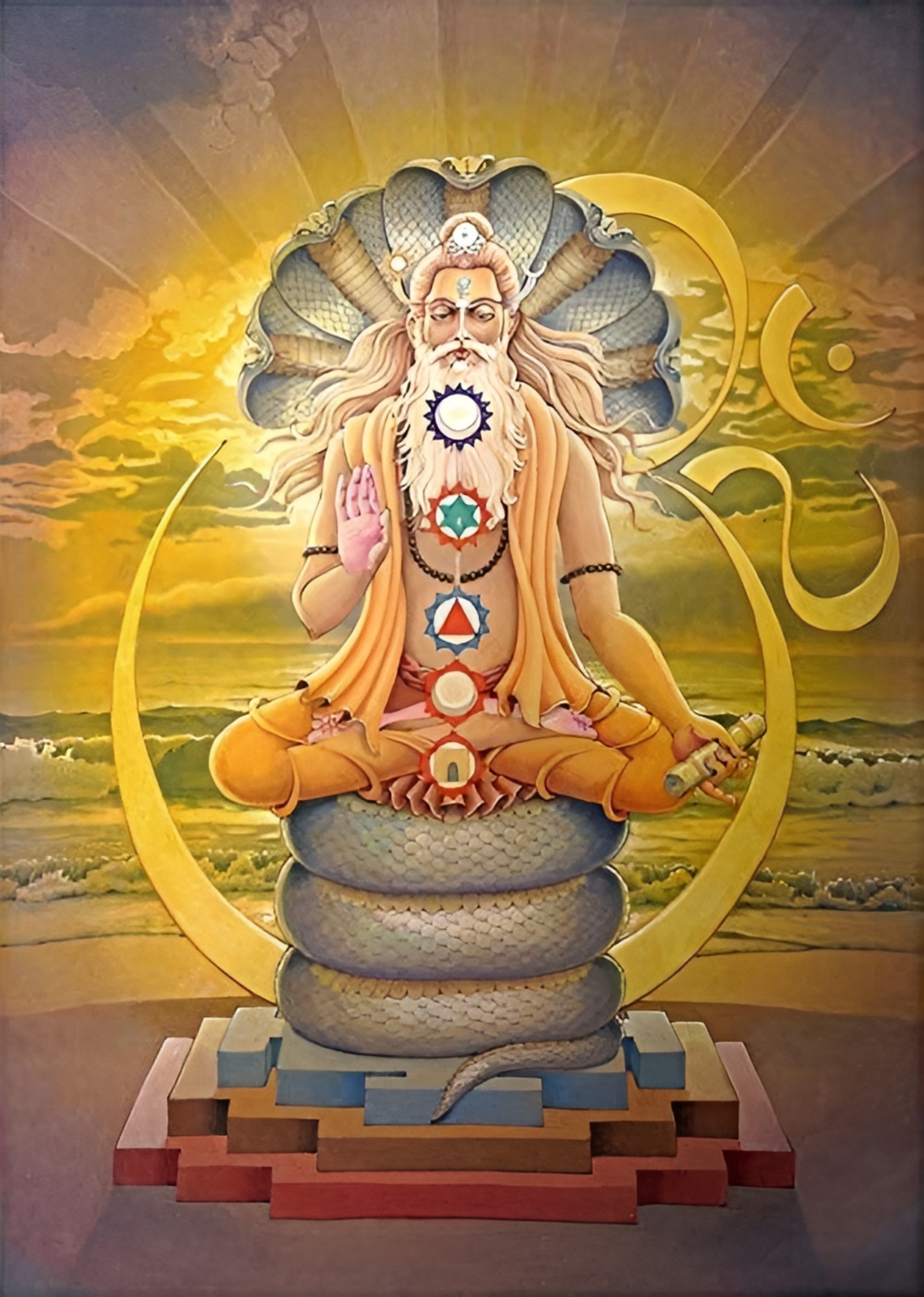
The Great Vow: A Universal Call to Ethical Living
Patanjali's assertion that "These, unconditioned by class, place, time, or circumstance, are the great vow" invites us to consider the essence of ethical living beyond the confines of societal constructs. This statement emphasizes a universal commitment to values that transcend our individual identities and circumstances. In a world often divided by class and culture, Patanjali's words remind us of the potential for a shared ethical foundation that can guide our actions and intentions, regardless of our backgrounds.
By framing the great vow as unconditioned, Patanjali challenges us to reflect on the nature of our commitments. Are our ethical choices influenced by external factors, or do they arise from a deeper, intrinsic understanding of what it means to live rightly? This inquiry is not merely philosophical; it has profound implications for how we navigate our relationships, our communities, and our own inner lives. The great vow beckons us to cultivate a sense of responsibility that is both personal and collective, urging us to act with integrity in all aspects of our existence.
The image / the metaphor
The imagery in Patanjali's quote evokes a sense of universality and timelessness. The phrase "unconditioned by class, place, time, or circumstance" paints a picture of ethical principles that are not tethered to the transient nature of human society. Instead, they stand as immutable truths, calling us to a higher standard of conduct that is accessible to all. The use of the word "vow" suggests a solemn commitment, a promise made not just to oneself but to the broader tapestry of humanity.
Diving deeper into the metaphor, we can see that the great vow represents a bridge between the individual and the collective. It invites us to recognize that our actions resonate beyond our immediate context, influencing the lives of others in ways we may not fully comprehend. This interconnectedness is a central theme in many spiritual traditions, where the ethical choices of one can uplift or diminish the whole. Thus, the great vow becomes a call to live with awareness and intention, understanding that our commitments shape the world around us.
In the speaker's tradition
Patanjali's teachings are rooted in the ancient tradition of yoga, which emphasizes the importance of ethical conduct as a foundation for spiritual growth. The concept of dharma, or righteous duty, is closely aligned with the great vow, as it encourages individuals to act in accordance with universal principles rather than personal gain. This ethical framework is not merely a set of rules but a path toward liberation, where the practitioner learns to transcend the ego and embrace a more expansive sense of self.
In the Yoga Sutras, Patanjali outlines the eight limbs of yoga, with ethical precepts (yamas and niyamas) serving as the first two limbs. These guidelines encourage practitioners to cultivate virtues such as non-violence, truthfulness, and contentment, which resonate with the essence of the great vow. By adhering to these principles, individuals can align their actions with a higher purpose, fostering a sense of unity and compassion that transcends individual differences.
Living the teaching
Consider a modern scenario where the great vow can be applied: a workplace environment where competition often breeds conflict. In such a setting, an individual who embodies the great vow might choose to prioritize collaboration over rivalry, recognizing that their actions impact not only their success but also the well-being of their colleagues. By fostering a culture of support and mutual respect, this person exemplifies the unconditioned ethical commitment that Patanjali advocates, creating a ripple effect that enhances the collective experience.
In personal relationships, the great vow can manifest during moments of conflict or misunderstanding. Imagine a disagreement between friends where each party feels justified in their stance. By invoking the spirit of the great vow, one might approach the situation with empathy and a willingness to listen, transcending the immediate circumstances to seek a resolution that honors both perspectives. This practice not only deepens the relationship but also reinforces the idea that ethical living is a continuous journey, shaped by our choices in everyday interactions.
A reflection
As we contemplate Patanjali's profound statement, we are invited to ask ourselves: What does it mean for me to live in alignment with the great vow? This question encourages introspection and invites us to examine the ways in which our actions reflect our values. Are we allowing external circumstances to dictate our ethical choices, or are we striving to embody a commitment that transcends the limitations of our environment? In seeking answers, we may find a deeper understanding of our interconnectedness and the potential for our actions to contribute to a more compassionate world.




Join the BrightStar Community
Stay connected with daily inspiration, event announcements, and community wisdom