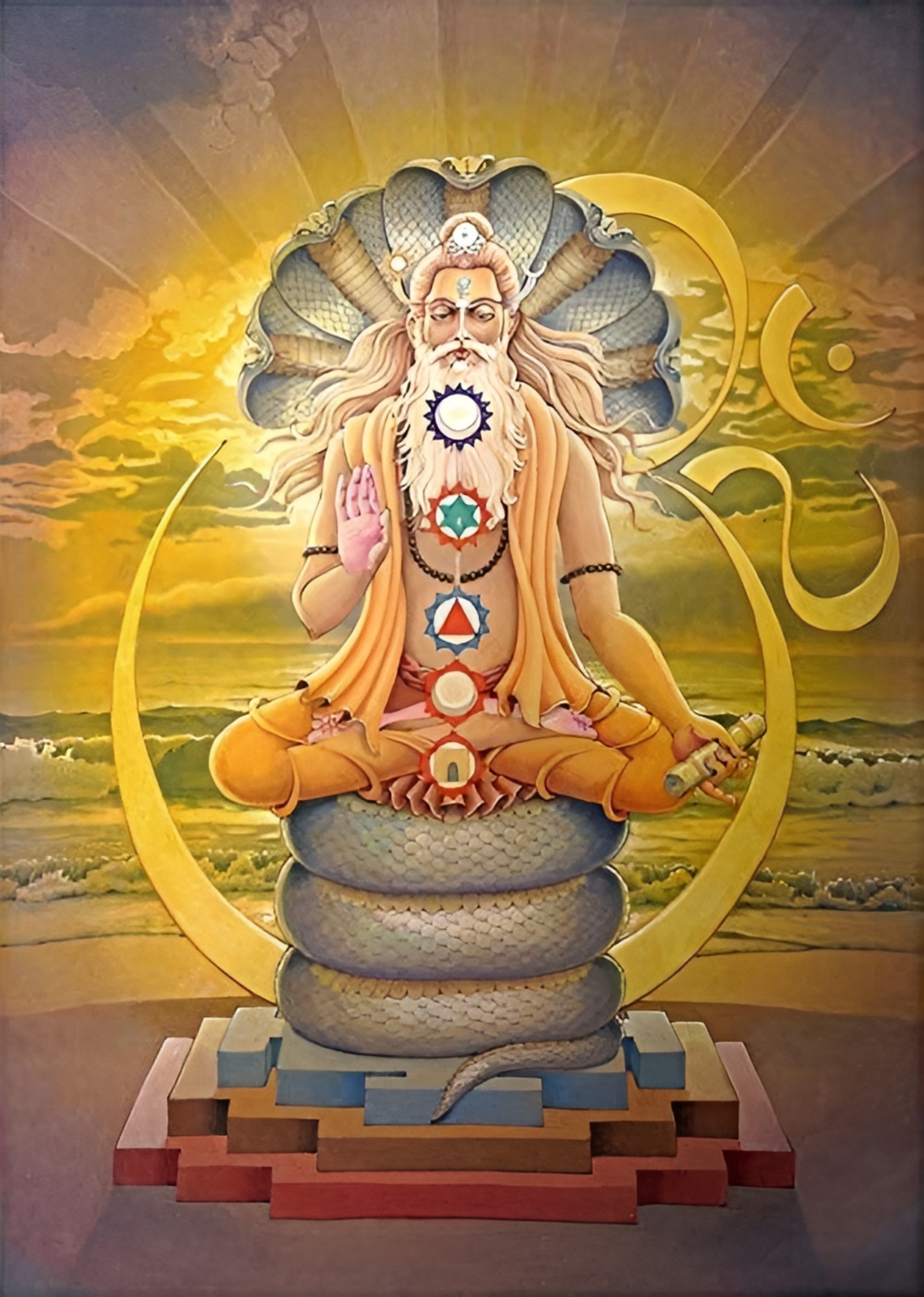
The Radiance of Selflessness: Understanding Samadhi
Patanjali's assertion that "when the object alone shines forth, devoid of self-consciousness — that is samadhi" invites us into a profound exploration of consciousness and presence. In this state, the individual transcends the ego, allowing the object of focus to emerge in its purest form. This teaching is not merely philosophical; it is a call to experience a deeper reality where the self dissolves into the essence of what is perceived. Understanding this concept is crucial for anyone seeking to deepen their practice of yoga and meditation.
To grasp the significance of samadhi, we must first recognize the layers of self-awareness that often cloud our perception. In a world dominated by distractions and self-referential thoughts, the ability to experience an object without the interference of the self is a rare and precious state. This quote encapsulates the essence of yoga as a practice of uniting the individual with the universal, where the boundaries of self dissolve, and one can experience the world in its unadulterated form. It is a reminder that true insight arises not from the self but from the purity of experience itself.
The image / the metaphor
The imagery in Patanjali's quote evokes a sense of clarity and simplicity. The phrase "the object alone shines forth" suggests a luminous quality, where the essence of what is perceived becomes the focal point of awareness. The choice of words like "devoid of self-consciousness" emphasizes the absence of the ego, allowing for a direct experience of reality. This vivid metaphor invites practitioners to envision a moment where distractions fade away, and the object of meditation or contemplation stands in stark relief against the backdrop of a quiet mind.
Diving deeper into this metaphor, we can see that samadhi represents a state of union, where the observer and the observed merge into one. The act of shining forth implies not just clarity but also a kind of vibrancy that is often lost in the noise of self-identity. In this state, the object is not merely an external phenomenon but a manifestation of the interconnectedness of all things. The experience of samadhi becomes a dance of presence, where the boundaries of self dissolve, revealing the underlying unity of existence.
In the speaker's tradition
Patanjali's teachings are rooted in the broader context of yoga philosophy, which emphasizes the importance of selflessness and the dissolution of the ego. Concepts such as dharma, or one's duty, and kenosis, the act of self-emptying, resonate deeply with the idea of samadhi. In this framework, the practice of yoga becomes a means of aligning oneself with the greater cosmos, allowing for a profound sense of connection and purpose. The notion of sunyata, or emptiness, further complements this understanding, suggesting that true insight arises from the relinquishment of attachment to the self.
In the Yoga Sutras, Patanjali elaborates on the stages of consciousness, with samadhi representing the pinnacle of spiritual attainment. This aligns with the Buddhist concept of prajna, or wisdom, which arises when one transcends the duality of self and other. The experience of samadhi is akin to the Sufi notion of fana, where the self dissolves into the divine presence. These interconnected teachings across traditions highlight the universal quest for unity and understanding, reinforcing the idea that the journey inward ultimately leads to a recognition of the interconnectedness of all beings.
Living the teaching
Consider a moment in your daily life when you have been fully absorbed in an activity, whether it be painting, playing music, or even engaging in a conversation. In these instances, the self often recedes, and you become one with the task at hand. This is a glimpse of samadhi, where the object of focus shines forth, and self-consciousness fades into the background. Recognizing these moments can help us cultivate a deeper appreciation for the present and encourage us to seek out experiences that foster this state of awareness.
In relationships, the practice of samadhi can manifest as a deep listening presence. When we engage with others without the filter of our own thoughts and judgments, we allow their essence to shine through. This selfless engagement fosters connection and understanding, creating a space where both individuals can experience a profound sense of unity. In challenging moments, such as conflict or misunderstanding, recalling the essence of samadhi can guide us toward compassion and empathy, reminding us that the object of our attention is not merely a reflection of ourselves but a unique expression of the shared human experience.
A reflection
As we contemplate Patanjali's words, we are invited to reflect on our own experiences of selflessness. In what moments have you felt the boundaries of your self dissolve, allowing the world to reveal itself in its purest form? Consider how you might cultivate more of these experiences in your daily life, and how embracing the essence of samadhi could transform your perception of both yourself and the world around you.




Join the BrightStar Community
Stay connected with daily inspiration, event announcements, and community wisdom