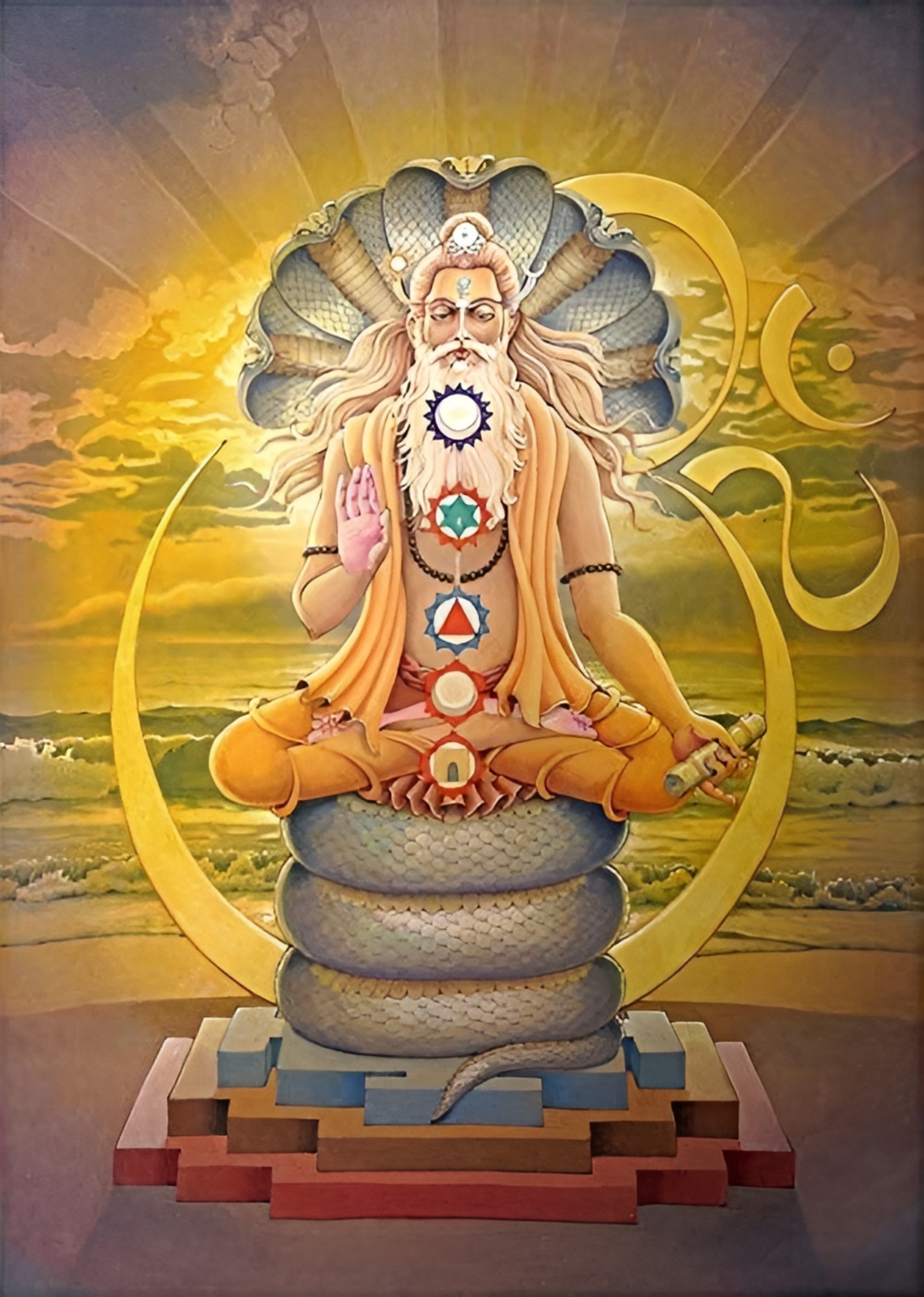
The Stillness Beyond Thought
Patanjali's assertion that "Yoga is the cessation of the modifications of the mind" invites us to explore the profound depths of our mental landscape. In essence, he suggests that the practice of yoga transcends mere physical postures and stretches; it is a journey toward quieting the incessant chatter of our thoughts. This stillness is not merely the absence of noise but a transformative state where clarity and insight can emerge. Understanding this concept is crucial for anyone seeking to deepen their spiritual practice and cultivate a more peaceful existence.
As we delve into this quote, we recognize that the modifications of the mind—our thoughts, emotions, and perceptions—often cloud our true nature. Patanjali's words serve as a reminder that our mental activity can be both a source of suffering and a barrier to experiencing the fullness of life. By engaging in yoga, we are invited to embark on a path that leads us away from the distractions of the mind and toward a state of inner tranquility. This journey is not just about physical flexibility but about cultivating a profound stillness that allows us to connect with our authentic selves.
The image / the metaphor
The imagery in Patanjali's quote evokes a sense of movement and transformation. The term "cessation" implies a deliberate stopping, a conscious choice to disengage from the relentless flow of thoughts that often dominate our consciousness. The "modifications of the mind" can be likened to waves on the surface of a lake, constantly shifting and changing, obscuring the deeper waters beneath. In this metaphor, yoga acts as the stilling force that calms the surface, revealing the clarity and depth that lie beneath.
Diving deeper into this metaphor, we can see that the modifications of the mind represent the myriad distractions and attachments that pull us away from our true essence. Just as a lake can be disturbed by wind and rain, our minds are often agitated by external stimuli and internal conflicts. The practice of yoga, therefore, becomes a means of returning to that serene state, where we can observe our thoughts without being swept away by them. This stillness is not an end in itself but a gateway to deeper understanding and connection with the universe.
In the speaker's tradition
Patanjali's teachings are rooted in the ancient tradition of yoga, which encompasses a holistic approach to life and spirituality. Central to this tradition is the concept of dharma, or one's rightful path, which is often obscured by the modifications of the mind. By quieting our thoughts, we can align ourselves more closely with our true purpose and the greater cosmic order. This alignment is akin to the Buddhist notion of sunyata, or emptiness, where the cessation of mental modifications allows for a clearer perception of reality and a deeper connection to the world around us.
In the Yoga Sutras, Patanjali outlines the eight limbs of yoga, which serve as a guide for achieving this state of stillness. The practice of meditation, or dhyana, is particularly relevant here, as it encourages the practitioner to observe the fluctuations of the mind without attachment. This practice resonates with the idea of kenosis, or self-emptying, found in various spiritual traditions, where letting go of the ego and its incessant demands opens the door to a more profound experience of existence. In this way, Patanjali's teachings invite us to explore the depths of our consciousness and the potential for transformation that lies within.
Living the teaching
Consider a modern scenario where the teachings of Patanjali can be applied: a busy professional navigating the demands of work and personal life. In the midst of deadlines and responsibilities, the mind can become a whirlwind of thoughts, anxieties, and distractions. By incorporating a regular yoga practice, this individual can cultivate a sense of stillness that allows them to step back from the chaos. Through breathwork and meditation, they can learn to observe their thoughts without judgment, creating space for clarity and focus amidst the noise.
In relationships, the cessation of mental modifications can also play a transformative role. Imagine a moment of conflict between partners, where emotions run high and misunderstandings abound. By practicing mindfulness and the principles of yoga, each individual can learn to pause, breathe, and approach the situation with a calm mind. This stillness enables them to listen deeply and respond thoughtfully, rather than reacting impulsively. In this way, the teachings of Patanjali not only enhance personal well-being but also foster healthier, more compassionate connections with others.
A reflection
As we reflect on Patanjali's profound insight, we are invited to consider the nature of our own minds. What modifications are we clinging to that prevent us from experiencing true stillness? In moments of chaos or distraction, how can we cultivate a practice that allows us to return to that serene state of being? By engaging with these contemplative questions, we can begin to unravel the layers of our mental activity and move toward a deeper understanding of ourselves and our place in the world.




Join the BrightStar Community
Stay connected with daily inspiration, event announcements, and community wisdom