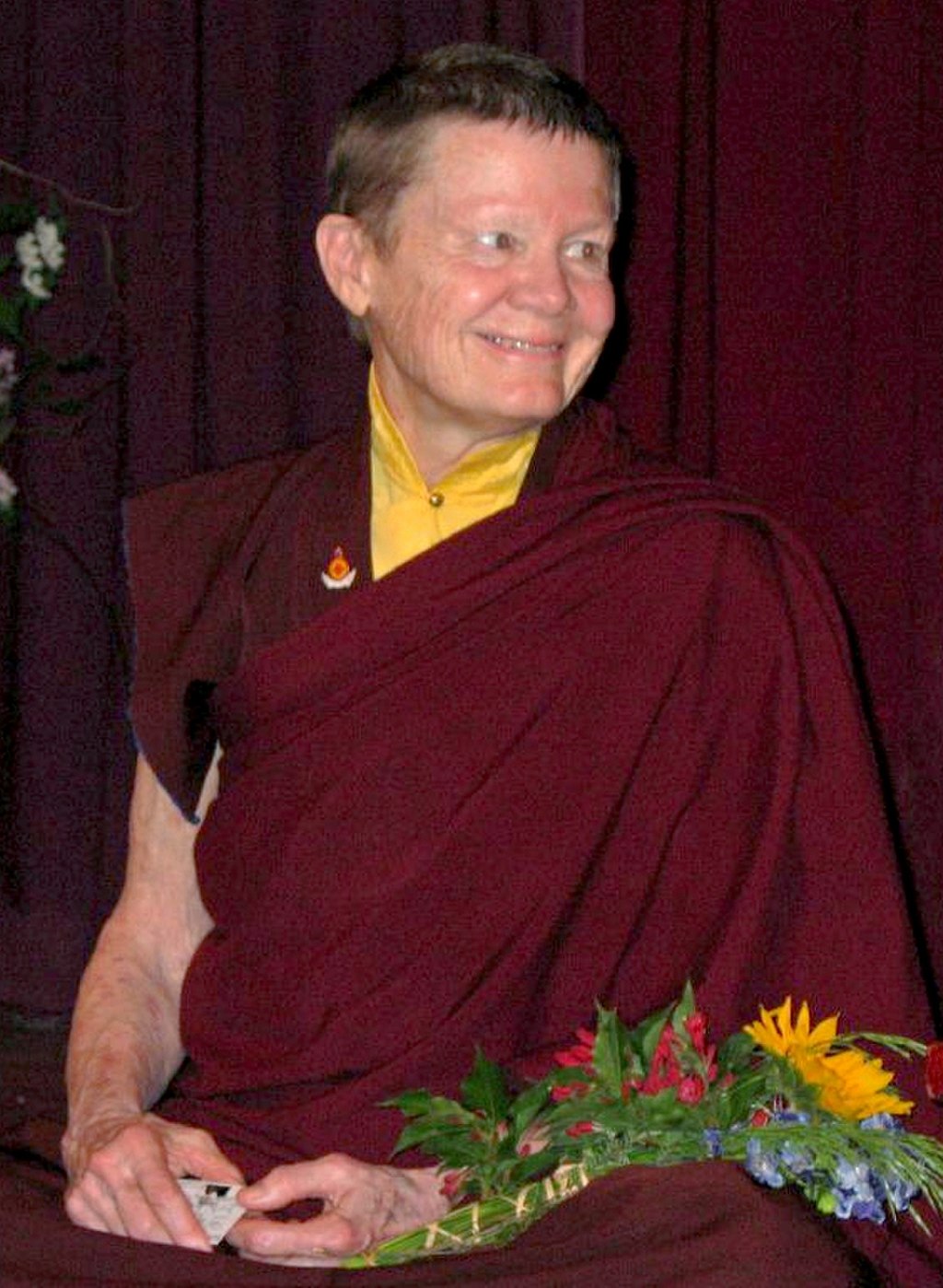
Embracing the World with Detachment
Pema Chödrön's poignant reminder, "Don't take the world too personally," invites us to step back from the emotional entanglements that often cloud our perception. In a world rife with challenges and disappointments, this teaching serves as a gentle nudge toward a more expansive perspective. By not internalizing every event or interaction, we can cultivate a sense of peace and clarity that allows us to navigate life's complexities with grace. This wisdom is particularly vital in our fast-paced, often overwhelming lives, where personal identification with external circumstances can lead to suffering.
Chödrön's words resonate deeply in a culture that frequently equates self-worth with external validation. When we take the world personally, we risk becoming ensnared in a cycle of blame, shame, and anxiety. This quote encourages us to recognize the transient nature of our experiences and the importance of maintaining a healthy distance from them. By doing so, we can foster resilience and compassion, both for ourselves and for others, ultimately leading to a more harmonious existence.
The image / the metaphor
The phrase "don't take the world too personally" evokes a sense of detachment, suggesting that our experiences are not solely reflections of our identity or worth. The imagery here is one of space and distance, inviting us to observe rather than react. The verbs chosen—"take" and "personally"—imply an action that can be both conscious and unconscious, highlighting the importance of awareness in our interactions with the world. This teaching encourages us to cultivate a sense of spaciousness in our minds, allowing us to witness our thoughts and feelings without becoming entangled in them.
Diving deeper into this metaphor, we can see that taking the world personally often leads to a constricted view of reality. When we identify too closely with our experiences, we risk losing sight of the broader tapestry of life. Chödrön's invitation to step back is a call to embrace the vastness of existence, recognizing that our individual narratives are but threads in a much larger fabric. This perspective fosters a sense of interconnectedness, reminding us that our joys and sorrows are shared by all beings.
In the speaker's tradition
Pema Chödrön's teachings are deeply rooted in the Buddhist tradition, where concepts such as sunyata (emptiness) and prajna (wisdom) play a crucial role. The idea of not taking the world personally aligns with the understanding of sunyata, which teaches that our perceptions and experiences are not fixed realities but rather fluid and impermanent. This insight encourages us to let go of rigid attachments to our identities and the narratives we create, allowing for a more liberated way of being. In this light, Chödrön's wisdom serves as a practical application of these profound philosophical concepts.
In her book "When Things Fall Apart," Chödrön draws upon the teachings of the Buddha, emphasizing the importance of compassion and mindfulness in navigating life's difficulties. The practice of letting go of personal attachment is echoed in the teachings of the Heart Sutra, which reminds us that form is emptiness and emptiness is form. This interconnectedness of all things invites us to embrace a more expansive view of our experiences, fostering a sense of peace amid the chaos of life.
Living the teaching
Consider a modern scenario where this teaching can be applied: imagine receiving critical feedback at work. The instinct may be to internalize the critique, feeling as though it reflects your worth or capabilities. However, by embracing Chödrön's wisdom, you can recognize that feedback is merely a reflection of a moment in time, not a definitive judgment of your entire being. This perspective allows you to respond with curiosity rather than defensiveness, opening the door to growth and learning.
In the realm of relationships, this teaching can be particularly transformative. Picture a disagreement with a loved one, where emotions run high and misunderstandings abound. By not taking the situation personally, you can approach the conflict with compassion and understanding, recognizing that both parties are navigating their own struggles. This shift in perspective fosters a deeper connection, allowing for healing and reconciliation rather than further division.
A reflection
As we contemplate Pema Chödrön's invitation to not take the world too personally, we are called to examine our own responses to life's challenges. How often do we find ourselves entangled in our perceptions, mistaking them for reality? In this moment of reflection, consider: what would it feel like to observe your experiences without the weight of personal attachment? This question invites us to explore the possibility of liberation through detachment, opening the door to a more profound understanding of ourselves and our place in the world.




Join the BrightStar Community
Stay connected with daily inspiration, event announcements, and community wisdom