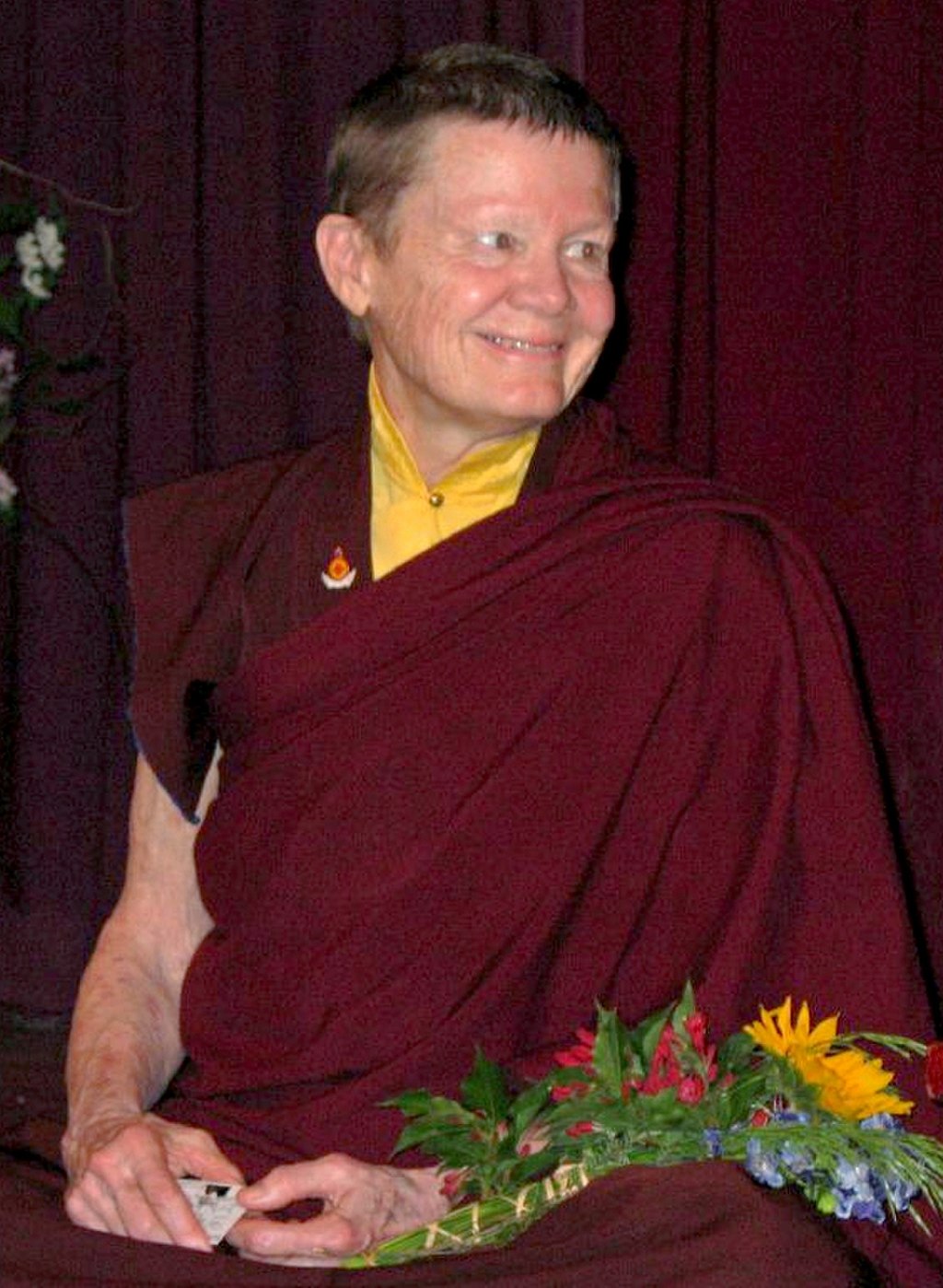
The Heart and Mind: A Spiritual Gymnasium
Pema Chödrön's assertion that "Lojong slogans are the spiritual gym for our heart and mind" invites us to consider the transformative potential of these succinct teachings. In essence, she suggests that just as physical exercise strengthens the body, the practice of lojong—mind training—cultivates resilience and compassion within our emotional and intellectual landscapes. This metaphor of a gym implies that spiritual growth requires effort, discipline, and a willingness to engage with our inner challenges. It is a call to action, urging us to embrace the rigorous yet rewarding journey of self-discovery and transformation.
Delving deeper, we recognize that the term "lojong" itself translates to "mind training" in Tibetan Buddhism, encapsulating a rich tradition of cultivating awareness and compassion. Chödrön's metaphor emphasizes that this training is not merely an intellectual exercise but a heartfelt endeavor that engages our entire being. The gym analogy also highlights the importance of consistency and practice; just as one does not achieve physical fitness overnight, spiritual growth is a gradual process that unfolds through dedicated effort and reflection. This perspective invites us to view our struggles not as obstacles but as opportunities for growth and learning.
The image / the metaphor
The imagery of a gym evokes a sense of physicality and discipline, suggesting that spiritual practice requires both strength and endurance. The verbs "train" and "exercise" imply an active engagement with our thoughts and emotions, rather than a passive acceptance of them. In this context, the heart and mind are not separate entities but interconnected aspects of our being that require nurturing and development. Just as a gym provides the tools and environment for physical conditioning, the lojong slogans offer us the mental frameworks and insights necessary for emotional and spiritual growth.
Going deeper into this metaphor, we can envision the gym as a space where we confront our limitations and push beyond them. Each lojong slogan serves as a weight to lift, a challenge to face, or a routine to master. This process can be uncomfortable, as it often involves facing our fears, insecurities, and habitual patterns of thought. However, just as athletes experience growth through discomfort and perseverance, we too can emerge stronger and more compassionate through our engagement with these teachings. The gym becomes a sanctuary for transformation, where we learn to embrace our vulnerabilities and cultivate a more expansive heart and mind.
In the speaker's tradition
Pema Chödrön's teachings are deeply rooted in the Tibetan Buddhist tradition, where the concept of lojong is integral to the path of awakening. This practice aligns with the broader Buddhist principles of compassion (karuna) and wisdom (prajna), emphasizing the importance of training our minds to respond to suffering with love and understanding. The lojong slogans serve as practical tools for cultivating these qualities, guiding practitioners to transform their habitual responses into more skillful and compassionate actions. In this way, the gym metaphor resonates with the idea of dharma, the teachings that lead us toward enlightenment and liberation from suffering.
In her book "Start Where You Are," Chödrön draws upon the teachings of the 11th-century Tibetan master Atisha, who formulated the lojong slogans as a means to develop a compassionate heart. The slogans encourage practitioners to reflect on their thoughts and actions, fostering a deeper understanding of the interconnectedness of all beings. This echoes the Buddhist concept of sunyata, or emptiness, which teaches that our identities and experiences are not fixed but rather fluid and interdependent. By engaging with the lojong slogans, we enter a dynamic process of self-exploration that ultimately leads us to a more profound sense of connection with ourselves and others.
Living the teaching
Consider a modern scenario where the teachings of lojong can be applied: imagine a workplace filled with tension and competition. In this environment, the practice of lojong can serve as a transformative tool, allowing individuals to shift their perspectives from self-centeredness to a more collective understanding. For instance, when faced with a challenging colleague, one might recall the slogan "Regard all dharma as a dream," prompting a reflection on the impermanence of conflicts and the importance of compassion. This shift in mindset can foster a more harmonious atmosphere, encouraging collaboration and understanding rather than rivalry.
Another application of this teaching can be found in personal relationships, particularly during moments of conflict. When disagreements arise, the lojong slogan "Be grateful to everyone" invites us to view our partners, friends, or family members not as adversaries but as teachers. This perspective encourages us to approach difficult conversations with an open heart, recognizing that each interaction offers an opportunity for growth and deeper connection. By integrating these slogans into our daily lives, we cultivate a practice of mindfulness and compassion that enriches our relationships and nurtures our emotional well-being.
A reflection
As we contemplate Pema Chödrön's assertion that "Lojong slogans are the spiritual gym for our heart and mind," we are invited to reflect on our own practices and challenges. What are the weights we are currently lifting in our spiritual gym? How can we engage more deeply with the teachings of lojong to cultivate resilience and compassion in our lives? By posing these questions, we open ourselves to the possibility of transformation, allowing the wisdom of these slogans to guide us on our journey toward greater awareness and connection.




Join the BrightStar Community
Stay connected with daily inspiration, event announcements, and community wisdom