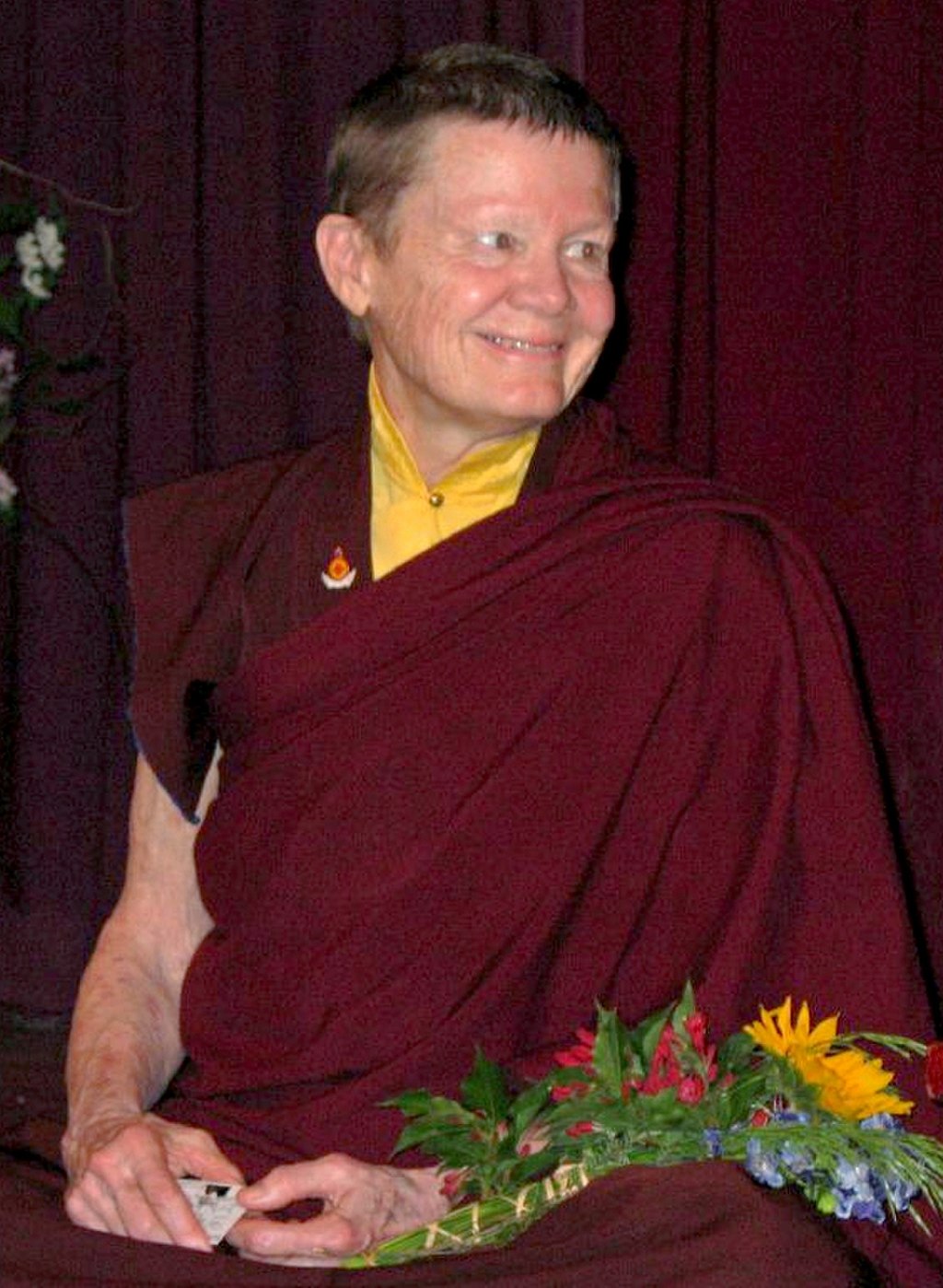
The Lessons We Must Learn
Pema Chödrön's assertion that "Nothing ever goes away until it has taught us what we need to know" invites us to reflect on the persistent nature of our experiences. This quote suggests that the challenges and difficulties we face are not mere obstacles to be overcome; rather, they are profound teachers that reveal essential truths about ourselves and our lives. The stakes are high: if we fail to engage with these lessons, we may find ourselves trapped in a cycle of repetition, unable to move forward.
Chödrön's words resonate deeply within the framework of Buddhist philosophy, where the understanding of suffering and its transformative potential is central. The notion that we must learn from our experiences before they can dissipate speaks to the heart of personal growth and spiritual evolution. It challenges us to embrace discomfort and uncertainty, recognizing that these feelings often carry the seeds of wisdom we need to cultivate a more fulfilling existence.
The image / the metaphor
The imagery in Chödrön's quote evokes a sense of inevitability and persistence. The phrase "nothing ever goes away" suggests that our experiences, particularly the painful ones, cling to us like shadows, refusing to be ignored or dismissed. The verbs "goes away" and "taught" imply a dynamic relationship between our experiences and our understanding, highlighting that learning is not a passive act but an active engagement with the lessons life presents.
Diving deeper into the metaphor, we can see that these lessons often manifest as recurring themes or patterns in our lives. Just as a teacher might present a difficult concept multiple times until a student grasps it, life presents us with challenges that demand our attention and reflection. The persistence of these lessons serves as a reminder that growth often requires us to confront our fears, insecurities, and unresolved issues, ultimately leading us toward greater self-awareness and compassion.
In the speaker's tradition
Pema Chödrön's teachings are rooted in the rich tradition of Tibetan Buddhism, where concepts such as dharma and prajna play crucial roles in understanding the nature of suffering and enlightenment. Dharma, or the teachings of the Buddha, emphasizes the importance of learning from our experiences, while prajna refers to the wisdom that arises from deep insight into the nature of reality. Chödrön's quote encapsulates this interplay between experience and wisdom, urging us to engage with our suffering as a pathway to understanding.
In her book "When Things Fall Apart," Chödrön draws upon the teachings of the Buddha to illustrate how our struggles can lead to profound insights. The idea of sunyata, or emptiness, is particularly relevant here, as it suggests that our attachments to experiences—both positive and negative—can cloud our understanding. By recognizing the impermanence of our experiences and the lessons they offer, we can cultivate a sense of freedom and openness that allows us to navigate life's challenges with grace and resilience.
Living the teaching
Consider a modern scenario where this teaching resonates: a person grappling with the end of a significant relationship. Initially, they may feel overwhelmed by grief and loss, wishing to escape the pain. However, if they pause to reflect on the experience, they may uncover valuable insights about their own needs, patterns, and the nature of love itself. In this way, the relationship becomes a teacher, guiding them toward greater self-awareness and emotional maturity.
Another application of Chödrön's teaching can be found in the context of daily practice. Imagine someone facing a challenging work environment filled with stress and conflict. Instead of seeking to avoid or escape these feelings, they might choose to engage with them through mindfulness and self-reflection. By examining their reactions and the lessons embedded within the chaos, they can cultivate resilience and a deeper understanding of their own responses, ultimately transforming their experience into an opportunity for growth.
A reflection
As we contemplate Chödrön's profound insight, we are invited to consider the lessons that life is currently presenting to us. What experiences or challenges persist in your life, and what might they be trying to teach you? Reflecting on this question can open the door to deeper understanding and transformation, allowing us to embrace the wisdom that lies within our struggles.




Join the BrightStar Community
Stay connected with daily inspiration, event announcements, and community wisdom